AI in Events: Balancing Personalization and Dynamic Pricing for Fan Experience
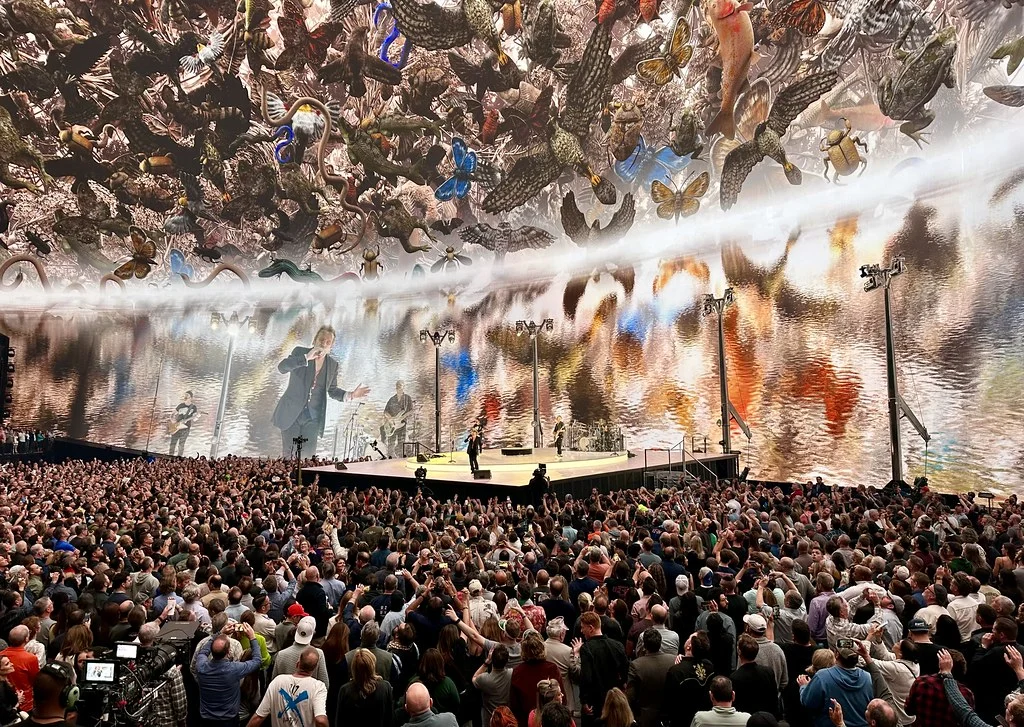
Photo: Chukydyk · CC BY-SA 4.0 · source
Concert ticket prices in 2026 often range from $300 to $1,000, a significant increase from the average of $30 in 2000. This trend is driven by factors including dynamic pricing and rising production costs, which are transforming live music into a luxury good. While artificial intelligence offers event organizers tools for more efficient and personalized experiences, it also raises questions about accessibility and fairness. How, then, can we find a balance between innovation, revenue, and preserving an authentic experience for every fan?
How AI Optimizes Event Management and Increases Efficiency
Artificial intelligence has become an indispensable co-pilot for event organizers facing complex logistical challenges and rising audience expectations. Today's AI tools assist throughout the entire event lifecycle, from planning and promotion to execution and evaluation.
Specific examples of AI deployment:
- Predictive Analytics: AI analyzes historical data and current registration trends to forecast attendance patterns and manage crowd flow, helping to prevent congestion and enhance security.
- Task Automation: Repetitive tasks such as scheduling, budgeting, vendor coordination, and task management can be automated, freeing up time for strategic and creative work.
- Experience Personalization: AI recommends sessions based on attendee interests, suggests networking matches, and creates tailored agendas, thereby increasing engagement and satisfaction.
For instance, Eventico Technologies, a leader in event management, deployed an AI platform that reduced check-in times by 70% and increased attendee engagement by 40%. Similarly, at the FestiTech festival, AI systems managed crowd control and personalized music recommendations, while AI-enabled drones provided security and visual effects. These are tangible results demonstrating that AI can streamline operations while enhancing the experience.
Dynamic Pricing: Where Profit Meets Fan Loyalty
One of the most controversial applications of AI in the event industry is dynamic ticket pricing. Algorithms adjust prices in real-time based on demand, which can lead to significant fluctuations. The goal is to maximize revenue, but the impact on fans is often severe.
Consequences of dynamic pricing:
- Growing Inaccessibility: In 2026, live music is becoming a luxury. A full concert evening, including tickets, accommodation (hotel prices can surge by up to 300% on show days), and other expenses, can cost €300–€500 per person in 2026. This results in many fans being priced out of concerts.
- Fan Alienation: The long-term impact can be significant. Artists risk alienating their core audiences, and the industry could see a decline in overall engagement from younger generations who simply cannot afford to attend.
- Ethical Dilemma: The question is not just how much revenue can be extracted from consumers, but whether future generations of fans will be able to participate in the events they love at all. Ethics should be strategic; for example, in AI hologram concerts, respect, transparency, and moral responsibility are more important for fan acceptance than cutting-edge technology itself.
Decision Model for Ethical Dynamic Pricing
For event organizers and artists, finding a balance is crucial. Dynamic pricing doesn't have to be inherently bad if implemented transparently and with fans in mind. Here's a model to aid decision-making:
- Set Price Caps: Determine a maximum price above which tickets will not be sold to prevent extreme price gouging.
- Fee Transparency: Disclose the full ticket price, including all fees, at the very beginning of the sales process.
- Prioritize Presales and Loyalty Programs: Offer loyal fans and members presales with fixed prices to give them a chance to buy tickets at a more affordable rate.
- Accessibility for Diverse Income Groups: Consider different pricing tiers, including more affordable options for students or lower-income fans.
- Feedback Analysis: Continuously monitor fan satisfaction and adjust your strategy based on their reactions.
The Future of Fan Engagement: Personalization with a Human Touch
AI is becoming a key tool for personalizing fan experiences. Content recommendations, individualized agendas, and targeted communication boost engagement. However, personalization is not just about technology; it's about understanding people and creating relevant experiences.
Example: Platforms like Flockler enable organizations to create live social walls, contests, and shoppable galleries that keep fans on their own digital properties, rather than being dispersed across third-party social media. The Austrian Tennis Federation, for instance, uses Flockler's social wall to keep its community on the federation website during tournaments. Personalized content can increase sales opportunities by up to 20%.
Nevertheless, even with advanced personalization, the human element remains irreplaceable. AI should serve to automate routine tasks and provide data insights, while human organizers can focus on creativity, relationship building, and problem-solving. The goal is for AI to enhance, not replace, the human interaction that is at the core of live events.
Moving Forward: Combining Strategy and Ethics in Live Culture
Live culture stands at the crossroads of innovation and traditional values. AI offers immense potential for streamlining and enriching experiences, but it also demands careful consideration of ethical impacts, especially in pricing. Experience shows that short-term gains from aggressive dynamic pricing can damage fan relationships long-term and threaten the sustainability of the entire industry.
For artists and managers in these complex times, it's crucial to have a partner who understands the nuances of digital technologies while respecting the integrity of artistic creation. Where general advice is no longer sufficient and a strategic solution is needed for optimizing revenue, building fan loyalty, and ethically deploying AI tools, onemanager.art steps in. We help define and implement strategies that leverage AI's potential for growth without sacrificing the fundamental principles of live culture and community. [internal link: https://one-o-one.cz/onemanager-art]
Next step: Analyze your existing ticket sales and fan engagement strategies. Consider where AI could bring efficiency, but most importantly, reflect on how to ensure your innovations strengthen, rather than weaken, your relationship with your audience. Request an audit of your current processes and propose concrete steps for implementing an ethical AI strategy. [internal link: https://one-o-one.cz/contact]
---
FAQ
Q: Can AI completely replace event managers?
A: No, AI is designed to support event professionals, not replace them. It can automate repetitive tasks and provide data insights, but human creativity, relationship building, and strategic thinking remain crucial for successful events.
Q: What are the main risks of dynamic pricing for fans?
A: The main risks include significant increases in ticket prices, making live events inaccessible to many fans, and the potential alienation of core audiences, which can long-term damage loyalty and reduce overall engagement in live culture.
Q: How can AI help with event safety?
A: AI crowd management systems can monitor real-time crowd movements, predict congestion, and optimize visitor flow, thereby helping to prevent potential hazards and ensure a safer environment.
Q: What are the benefits of AI-driven personalization for fans?
A: AI-driven personalization allows fans to receive tailored recommendations for sessions, artists, and networking opportunities, increasing the relevance and engagement of their event experience. This makes them feel more seen and enhances their overall satisfaction.
Sources & references (6)
- https://vertexaisearch.cloud.google.com/grounding-api-redirect/AUZIYQHp9v-HyOWr2WhBH-JU3_-YdlfxOyhdVT9PkMMsPQyuhXqP4hskXjN4bPWdG61mhe8lB9eVhtiPtztfINjAHhYy6ENsWXMWRVVZY7X9ZByz0r624wJ2oXr1g9To81_fUY-O-BOrgwwfIB64zWoAB9o=
- https://vertexaisearch.cloud.google.com/grounding-api-redirect/AUZIYQGrEQGxP-i-aSHR_RaHM-Vy2Nyrl3KF_72KaNpi6vm5MpDTAdJAh1LYKEGMhXTmURmMm4cEtt5pTOxF63dLa5z3XML81k6EAiUAhtXYj6mTUqOprnmrkLKKAR36J4c7CyyHpJAFUA==
- https://vertexaisearch.cloud.google.com/grounding-api-redirect/AUZIYQHo2CYJHq1UJx-g6rx-cOxanMZXDJvg2cNZLNRz3s8mqmULgzSok--ymq6KVofU03KWPKpYm4tG6cC-rn7BZR8EFvqdRa-BbGbmaERRG8xocuHP62fdEZT4YDe88NgxrIoZ5Twwje5QyUHwnpPGGxBlxA-yj6h4gGRfbsx9T_KRm3sjGD5lLpTULEim12yn0SxNgVJirWFz
- https://vertexaisearch.cloud.google.com/grounding-api-redirect/AUZIYQHFM0arIGtME4-JwcNUOKXz4dedz4eeRfR_5nON2292d-If5gNKpv5pQFS28znjhHq8hbyYAOr-KiRG4bKpB__VRoGB40N24TYgOpjP_X78EUZ7_xW082IXc39u1VkIH1bn4ugQPob3NHKNW-9KKIvI4tmaJlOta-tLiM7_1HEVIkpVA9G2V35J361c=
- https://vertexaisearch.cloud.google.com/grounding-api-redirect/AUZIYQG3ls6ClpTeBaqx6xLtxpCvzmil4QUxjuTiV5a33SJbDZ1d7OVAqaU1UuMrc_1WpgB9BQoNVRU_atwgJ7Mx9I0RgxkWYsXxo8nK8Bz2SrQ_dsGziqFI5tKuNksrxyw5kjrSIEpTJDnEHZrEip6VZvMqt5wVmmOuSs5wWR-rDsLG
- https://vertexaisearch.cloud.google.com/grounding-api-redirect/AUZIYQEEa7FBMaz3r__3KGvBhKLI1tBbEBnYMprqj5UKTh0kbH1aONR2w3li4l6f21eG6VbS4Ry2zIXr_JHAkyutnh4WYJA5TvCAMzftyRQxfO2jAwtY-sKwp9RaBJh4y2PwWDcRhNBBfrLXsoRE6_EY9A29A2h7ozdoGZPN349UefsMahbhfMJgZbtXg_wNqmBeF2yoXwEyI7g=
You might also like
 Live Culture & EventsEnd of Hidden Fees: EU Pushes for Ticket Sales TransparencyThe European Union is tightening regulations on ticket sales to eliminate hidden fees and unfair practices. What does this mean for event organizers and fans in 2026?Srp 1, 2026
 Live Culture & EventsTech for Greener Events: The Future of Festivals and ConcertsHow is technology transforming the event industry towards sustainability? Explore digital ticketing, renewable energy, and AI to reduce ecological footprints.Srp 1, 2026
 Live Culture & EventsBlockchain and AI Agents in Ticketing: End of the Black Market, or a New Era of Speculation?Blockchain and AI agents are transforming ticket sales. Explore whether they lead to a fairer market or just more sophisticated speculation and how to prepare.Čvc 30, 2026
Where is your marketing burning money?
AI audit and implementation for business owners. From diagnosis to deployment.
Get an audit