AI Music Dominates Streaming: Deezer Reports 50% New Tracks. What Does It Mean for Artists?

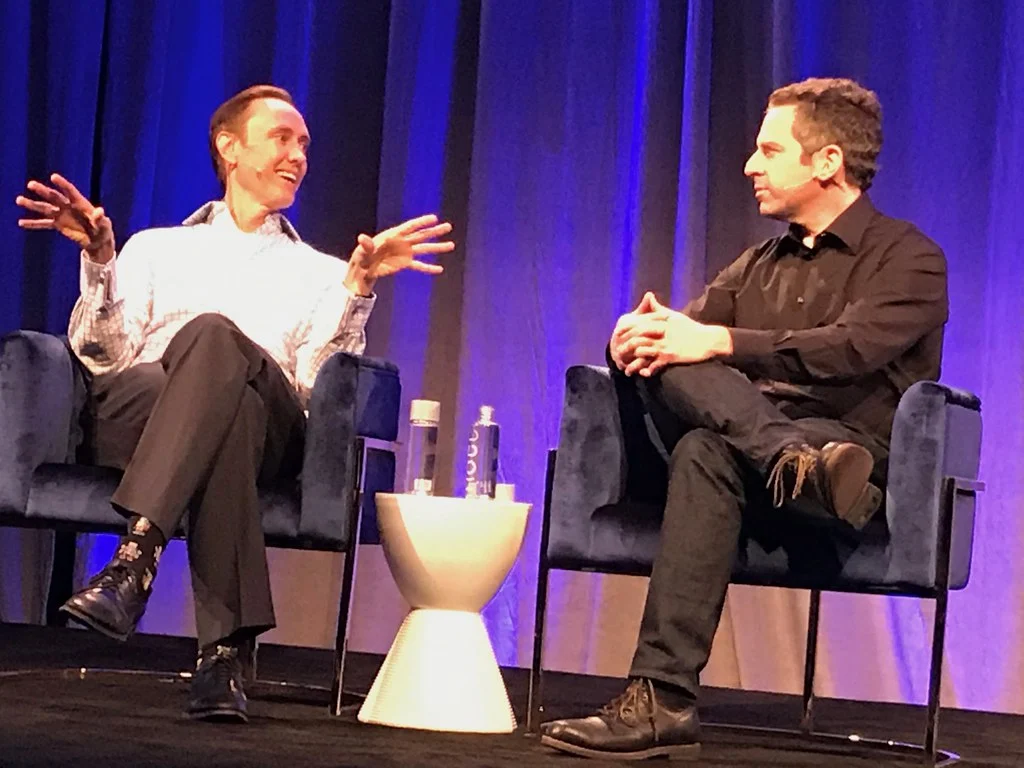
Photo: jurvetson · CC BY 2.0 · source
On July 21, 2026, streaming platform Deezer announced that AI-generated music has, for the first time, exceeded 50% of all daily new music deliveries. In June, AI tracks peaked, with an average of 90,000 tracks uploaded daily. This watershed moment underscores the speed at which artificial intelligence is transforming the music industry, while also posing new challenges for creators, platforms, and listeners alike.
The Rapid Surge and Deezer's Response
The increase in AI-generated music is staggering. While in 2025, Deezer detected and tagged over 13.4 million AI tracks, by June 2026, daily AI music uploads constituted more than half of the total volume. Generative models can create songs from scratch based solely on text prompts, significantly lowering the barriers to entry for music production. Even though the volume of AI music is growing exponentially, its share of total listening activity remains relatively small—between 1% and 3%.
Deezer is actively responding to these developments. Since January 2025, it has used its proprietary AI detection tool to exclude AI-generated music from algorithmic and editorial recommendations. Moving forward, Deezer will systematically remove AI tracks used for fraudulent stream generation, as well as those that have not been streamed for more than six months. The goal is to protect artist rights and ensure that focus remains on the music that listeners genuinely love. Alexis Lanternier, Deezer's CEO, emphasized the importance of the industry uniting to create shared standards for a healthy and sustainable music ecosystem.
The Challenge of Fair Monetization and Transparency
With the rapid increase in AI content, the question of how to ensure fair compensation for human creators, whose works are often used to train AI models, becomes urgent. Industry organizations such as RIAA, IFPI, The Recording Academy, and SAG-AFTRA support initiatives that clearly differentiate entirely AI-generated music from music created with AI as a tool. The aim is transparency for listeners and protection for responsible creators.
One concrete step is the partnership between Sureel AI and Symphonic Distribution, announced on July 21, 2026. This collaboration will enable independent artists, labels, and managers using Symphonic's services to monetize their works whenever and wherever they are used in AI models. Sureel AI's technology can track the use of compositions, lyrics, and sound recordings in AI-generated content, ensuring that payments are tied to measurable contributions. Jorge Brea, CEO of Symphonic, views AI as a real opportunity for artists if used correctly and transparently, emphasizing it as a way to push back against unpaid 'training' of AI and open new revenue channels.
AI as a Tool, Not a Replacement
Despite concerns about the mass inundation of the market with AI music, it is becoming clear that artificial intelligence is most valuable when it augments human creativity, not replaces it. Artists who use AI-assisted analytical and production tools to enhance their workflow achieve 20-30% better outcomes in their releases and campaigns compared to those working entirely manually or fully automatically. AI is becoming an infrastructure that accelerates creative processes from editing to branding and audience development.
We see this in live music as well. Artists like Sonu Nigam are experimenting with AI-generated voices for unique performances, while A.R. Rahman uses AI to create visuals that react to his live performance. Custom-tailored visuals that respond to music and crowd energy in real-time are becoming standard in venues like The Sphere in Las Vegas. AI thus enables personalized experiences that would be impossible for human operators.
Impact on the Global Music Scene
For artists and the music industry worldwide, these global trends necessitate rapid adaptation. Platforms like Deezer are setting precedents for transparency and monetization that will influence the entire streaming ecosystem. Labels and distributors will need to consider integrating technologies for tracking AI usage and offering their creators tools to protect and monetize their rights. At the same time, this opens up space for innovative artists who embrace AI as a tool to expand their creativity and reach new audiences. At one-o-one.cz, we actively monitor these trends, and through our onemanager.art project, we support artists and organizers in adapting to new technologies so they can fully leverage the potential of digital innovations while protecting their rights.
The Future of the Music Ecosystem
The future of music with AI will not be about replacing human creativity but about augmenting it. The key will be finding a balance between innovation and the protection of creators' rights. Standardization of AI attribution and robust monetization systems will be essential for maintaining a fair and prosperous ecosystem. Artificial intelligence will become a partner that helps artists reach new creative heights while ensuring their work is fairly compensated, even as the lines between human and machine creation become increasingly blurred.
FAQ
Q: What does it mean that AI music accounts for 50% of new tracks on Deezer? A: It means that over half of all new music uploads appearing daily on the Deezer platform are generated by artificial intelligence. In June 2026, this amounted to an average of 90,000 tracks per day.
Q: How is Deezer responding to the rise of AI-generated music? A: Deezer uses an AI detection tool that excludes AI music from recommendations. It will now also remove fraudulent AI tracks and those that have not been streamed for more than six months, to protect artists and focus on quality content.
Q: How is monetization being addressed for artists whose works are used to train AI? A: The industry is working on systems for transparent AI attribution and monetization. An example is the partnership between Sureel AI and Symphonic Distribution, which allows artists to track and monetize the use of their works in AI models.
Q: Will AI replace human artists in the music industry? A: Current trends suggest that AI augments human creativity rather than replaces it. Artists who integrate AI tools into their workflow achieve better results and discover new forms of artistic expression.
Sources & references (5)
- https://vertexaisearch.cloud.google.com/grounding-api-redirect/AUZIYQE73BhImYHjAFk4GmhGY5EEPek5o6cI52mN84yCSd5cEPMlhWhSD_zQY8XvE2qUSgWiFGezK80h3EF_csDhUReXCgQw83y5WhIeOTcHqiI3EVqfwxVMmTCgQ6xi3Jfmkd4R2_PVodoYcUaU3dpcUtk0O4FIYqpT1IJWUo4MZQYpaLj0_QG9chXNesMosI9ypA==
- https://vertexaisearch.cloud.google.com/grounding-api-redirect/AUZIYQHL2jXvwTtTrjZVf61V52JrjvPesWTyoS5IrZxBDpkmkTkX5TPK1cXQZj-SRZB_OzDvImOfkPeUsYwsB-ft_H7QljtpxP2ayWsbiczblRDHl8e0YNTr_CwneqrDDLoJGhgrkUjjUn1wKQPnsRgAbKzFEzmR==
- https://vertexaisearch.cloud.google.com/grounding-api-redirect/AUZIYQE6NYzVWEm2DRRYXMv3oFCPsHHXkbljHC3-zgEpy0ihzuuHiHDAIEcmcxvuufZBraNPf6ZY6ONlR0cEiod4QwML1U_XtfvdrWHsqHZh3m_fMLo7QGS4fn_twpUvJ8mLnPuiEnxwu4lYQHg1xTtRyCA1zUn1MXogWhtnwYaTA5j3jJnAr2SsobQ4Y339vqXVSC5rJUop6uVmjV5z6B5xhBaG2qz5BPVk2NjC3TT9IQixSm7EcdOTOIJFKsNagn4==
- https://vertexaisearch.cloud.google.com/grounding-api-redirect/AUZIYQG9J_2aCZakkDo7XudacrSX3ukF1YjjegL2d5XXi2ZKVyo-0Gcdz8yTlqb_4HMw7TRZCCAsznEu6-9RI2YjFY0YjVbI0SwEenFteiKzcsT-K9hF3ubBrk_PEkZpNdHq2ByAQNXfMLFEWLrvhYnRk3JEBploh_Z9l7uOvwdLb2DIsrv3bMxb-4wzpMIs-vi446bSoH2SN_24_OEbpTmCzm6i92I4YmIkmQw==
- https://vertexaisearch.cloud.google.com/grounding-api-redirect/AUZIYQGF9yq4NpAK55jnHrUD33uMoGQ2kum-gOVK8EMjZTGnKskQ1vNF7FPmL-angpeknik_jK-EguSJW8RJRFp-42ULgtbCbU6NabfxEPDqJOfTu9jEwAyLy3uwlFSEKNivg4F9Z6qhmcqAVg==
You might also like
 Live Culture & EventsBlockchain and AI Agents in Ticketing: End of the Black Market, or a New Era of Speculation?Blockchain and AI agents are transforming ticket sales. Explore whether they lead to a fairer market or just more sophisticated speculation and how to prepare.Čvc 30, 2026
 Live Culture & EventsFrom Fan Clubs to Digital Communities: How Artists Reclaim Control and RevenueDiscover how artists can leverage digital communities and direct monetization to build sustainable careers and strengthen fan relationships beyond traditional platforms.Čvc 29, 2026
 Live Culture & EventsHynek Čermák and One Manager.art: When Art Breaks BoundariesExplore why actor and photographer Hynek Čermák actively joined the One Manager.art project and how his vision is changing the world for multi-talented artists. Discover how the platform connects creators.Čvc 28, 2026
Where is your marketing burning money?
AI audit and implementation for business owners. From diagnosis to deployment.
Get an audit