The Creator Economy in 2026: From Influencers to Sustainable Creator Businesses
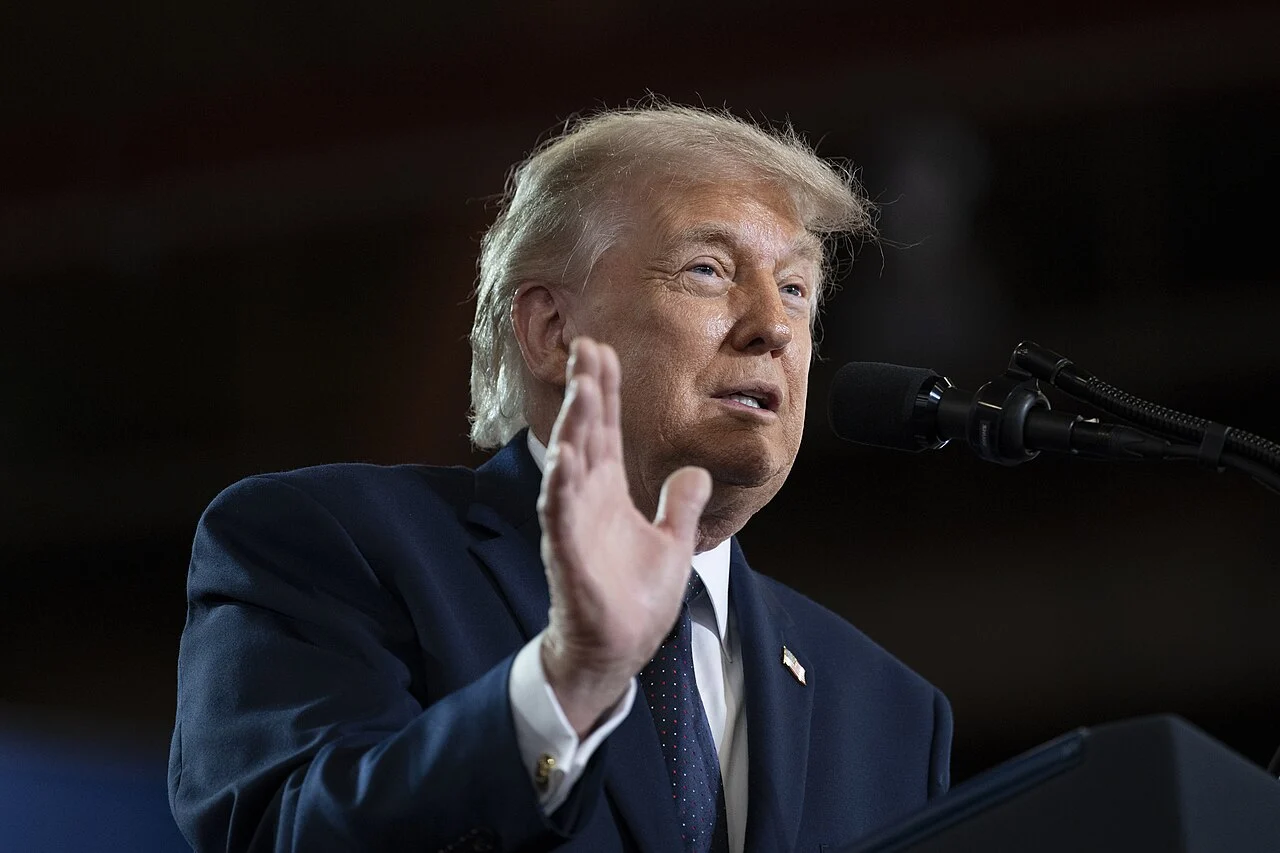
Photo: The White House · Public domain · source
The digital world is constantly changing, but one thing remains consistent: creators. However, today, simply 'creating content' is no longer enough. 2026 clearly shows that the Creator Economy is shifting from an era of mere influencers to an era of full-fledged creator-entrepreneurs. It's no longer just about maximizing reach or securing one-off brand deals. It's about building sustainable business models that minimize reliance on algorithms and fluctuating platform conditions.
Why the Creator Economy is Changing
Just a few years ago, a creator's success was measured by follower count and viral posts. Today, however, we see that the market is saturated, and user attention is fragmented. Growing competition, unpredictable algorithms, and declining organic reach are forcing creators to think differently about their future. According to an IAB report, annual U.S. creator economy ad spend is expected to reach $43.9 billion in 2026, an increase of approximately 18% over the previous year. However, a significant portion of this growth is directed towards paid content amplification and direct partnerships, not just organic influencer reach.
What worked before simply isn't enough anymore. We must view creators as autonomous media businesses, cultural partners, and community builders with long-term value.
Key 2026 Trends for Creator-Entrepreneurs
1. Audience Ownership and Income Diversification
The biggest shift lies in creators' efforts to own their audience and diversify their income. Instead of relying solely on ads and sponsorships, creators are turning to models such as:
- Memberships and Subscriptions: Exclusive content, communities, and benefits for paying fans.
- Digital Products: Courses, e-books, presets, templates.
- Physical Products and Merchandise: Own clothing brands, art pieces.
- Live Events and Workshops: In-person gatherings that build deeper connections with fans.
For example, MrBeast, Emma Chamberlain, and Alex Cooper are prime examples of building empires that go beyond simply 'posting online.' These creators manage multi-million dollar businesses that include digital products, consumer lines, podcasts, streaming deals, and merchandise.
2. Personal Brand Building and Strategic Storytelling
A strong personal brand is crucial in 2026. It's no longer about chasing trends, but about authentic and strategic storytelling. Audiences value credibility and connection, not short-term viral hits. Creators who succeed will think in narratives, not individual posts, and give their audience a reason to keep coming back.
3. AI as a Growth Tool, Not a Substitute for Originality
Artificial intelligence is becoming a common part of content creation and distribution. It helps automate routine tasks, optimize content, and reach target audiences more effectively. However, the winners will not be those who merely produce more content with AI, but those who combine AI with originality, trust, genuine expertise, and personality.
4. In-Person Events and Deeper Community Bonds
In an era of digital oversaturation, the desire for genuine connection is growing. Creators are therefore increasingly focusing on in-person events—from panel discussions and local meetups to exclusive retreats and clubs. These events strengthen community and build loyalty that the online environment alone cannot replace. In 2025, for example, the electronic music industry shifted from a 'consumption economy' to a 'fan economy,' where labels found their biggest gains in expanded rights such as merchandise and direct-to-consumer sales, which surged by 21% last year.
Case Study: The Shift from Dependency to Autonomy
I saw how one creator, who started as a fitness influencer on Instagram, struggled with declining organic reach and unstable income from brand deals. After 2025, when influencer marketing revenues became less predictable, they decided to change their strategy. Instead of chasing more sponsors, they launched a paid membership section with exclusive training plans and videos. Simultaneously, they began selling their own line of fitness supplements and organized weekend workshops. Within six months, their monthly income increased by 40% and became more stable, as 70% of revenue came from direct sales and memberships, not advertising. This allowed them to invest in a team and create higher-quality content without constant pressure for viral hits.
Consequence of Inaction and Author's Judgment
If creators and brands do not adapt to these changes, they risk remaining trapped in unstable incomes and platform dependency. It will become increasingly difficult for them to stand out in a crowded online space and build genuine audience loyalty. In the long term, this means a loss of relevance and financial insecurity.
In my opinion, the biggest mistake in 2026 is relying on 'more content' or 'another viral video' to solve problems. The emphasis must be on the depth of the relationship with the audience and the breadth of business models. I reject the idea that every creator must be on all platforms. Practically, it makes more sense to focus on a few key channels where the audience is most engaged and build strong, monetizable communities there.
Business Bridge and Next Step
The transformation from creator to entrepreneur requires strategic thinking, market understanding, and the ability to build diverse revenue streams. When you need to create a robust strategy for the Creator Economy, diversify your portfolio, or set up effective monetization models, general advice is no longer enough. This is where an experienced partner comes in to help you analyze your position, identify opportunities, and implement concrete steps for sustainable growth. One-o-one.cz helps creators and brands transform their online presence into thriving businesses, focusing on long-term value and independence.
Next step: Analyze your existing revenue streams and identify at least two new ones you can start building this year. Consider how you can better own and engage your audience beyond traditional social media. This could be the beginning of your journey to true creator-entrepreneurship.
FAQ
What does the term 'creator-entrepreneur' mean?
A creator-entrepreneur is a creator who actively focuses on building a sustainable business around their content and audience, diversifying their income, and minimizing dependence on a single platform or revenue source.
What are the main risks if creators do not change their strategy in 2026?
The main risks include unstable income due to fluctuating algorithms and declining organic reach, difficulty standing out in a crowded market, and overall loss of relevance and financial insecurity without diversified income.
How can AI help creators in the new Creator Economy model?
AI can help creators automate routine tasks, optimize content for various platforms, more effectively reach target audiences, and analyze data. However, the key is to combine AI with originality, trust, and personal expertise, rather than using it as a substitute for creativity.
Sources & references (6)
- https://vertexaisearch.cloud.google.com/grounding-api-redirect/AUZIYQHCS39ShBWEAxUxCm-U_R67QkCuys0Xr1VRyMJOLqlbVd__-Wzs9OZxLchgPjCxZruZMSZKSkuPNuHXrUvn1SYVqc2RdQCAwjC5Yz68ay9oSlznyKQ5bxmfNYoZYii94_m3lWGCGtKhW-pPjD92gAN60FGRYuZDfhS1po_0l8PXhw==
- https://vertexaisearch.cloud.google.com/grounding-api-redirect/AUZIYQFWKAn-BU9n65KqLVPYWbic3NOsMmzkc-m_67egdNxs8qyZ35Vn2atJTP67XF8qXkJTUJhxBpXeNWtXr0TdCayjFGJiPzgBXqsNDvwgc0DOCXdJMMNMCPNsdSY1qo3NkgBL5J8Be329Eq-LVYivHQ==
- https://vertexaisearch.cloud.google.com/grounding-api-redirect/AUZIYQFf-OA008izSGljEeaubUombz6Na1Q_yqo61I1vDuuURQYrd449H_dCTbuedqLlgHNHFaGUcw2tVwg2ob3CpGPQ_3Zo2qNocyiTXAQXSlvu_KK6oRAII7cEe4GooOui4gWPZK-o8knGK0aW0tRp_DTcBxC7nEBNZUdvScwI8Jw4rTC8BL-xI92woywnlXEJyKiekMG7PLxp51R4oPkSi2Z-iW6q6lh22-5piIA==
- https://vertexaisearch.cloud.google.com/grounding-api-redirect/AUZIYQGLK3tL27Myjel7HkYOdjD7-If33M5ET_ed4VoM4kSgXqa1bIVSuBFAlJtkHP8cSYdnv9htpediOEZM0YrkXRVb-dUIll34YwXFxW6I42yLhCVncgXRVfhUkEXBmZYr1Un7tKKwFz0WRVTcf7tyKluqNaN2Ruc0SmhFdBTW5aWqlXxQoqY4r2ZY9zQf7DJiOUKBi-Gk
- https://vertexaisearch.cloud.google.com/grounding-api-redirect/AUZIYQGNilNzvdlf_2TKGxZMnZBrgEU6spLqKni3-ocmGLCBgOO4aZ0nNObG6EBkRPmfIwhk1UAFvABuZqjIlZ1A_1WTz_4aBIL-tY0ikHiCFlxhUrSAsgr_a9KxJ2Vk17322oBdWe-nmQ==
- https://vertexaisearch.cloud.google.com/grounding-api-redirect/AUZIYQHOM-MC_tX1qdf3tYEyP3auh7NysLDBpl6M97SVnj3g47B4E2A1TLdpz51WA-W40BJUJ6zn7PLZ30G2GlsIEA2D5mhGkybxRoPwD6-YkEQzOigsv8u9fIuNYvLVY4tMDhAybVpy1q8MZm9v
You might also like
 Live Culture & EventsBlockchain and AI Agents in Ticketing: End of the Black Market, or a New Era of Speculation?Blockchain and AI agents are transforming ticket sales. Explore whether they lead to a fairer market or just more sophisticated speculation and how to prepare.Čvc 30, 2026
 Live Culture & EventsFrom Fan Clubs to Digital Communities: How Artists Reclaim Control and RevenueDiscover how artists can leverage digital communities and direct monetization to build sustainable careers and strengthen fan relationships beyond traditional platforms.Čvc 29, 2026
 Live Culture & EventsHynek Čermák and One Manager.art: When Art Breaks BoundariesExplore why actor and photographer Hynek Čermák actively joined the One Manager.art project and how his vision is changing the world for multi-talented artists. Discover how the platform connects creators.Čvc 28, 2026
Where is your marketing burning money?
AI audit and implementation for business owners. From diagnosis to deployment.
Get an audit