Digital Twins Transform Live Events: From Predictive Management to Hyper-Personalized Experiences
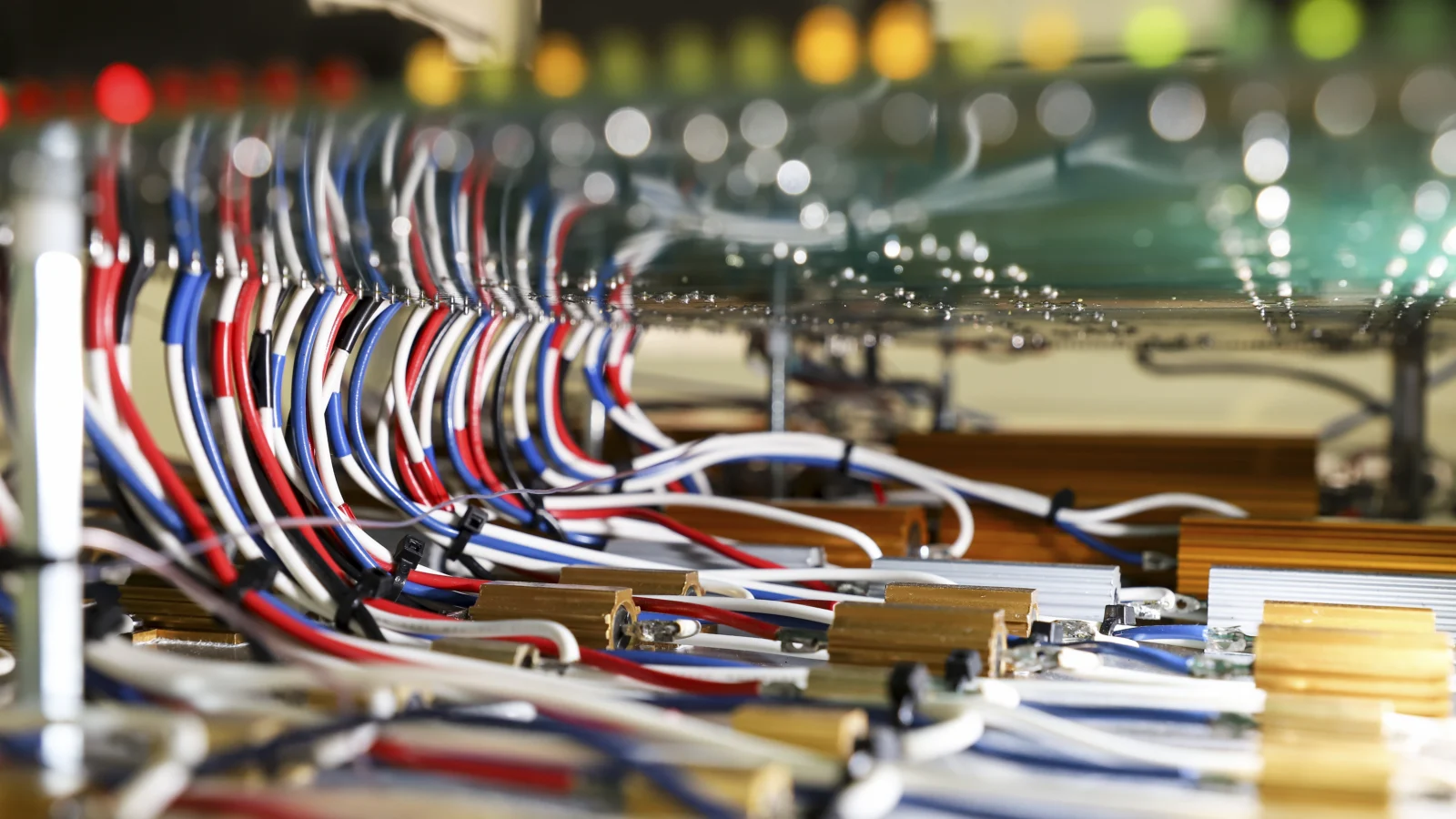
Photo: Oak Ridge National Laboratory · CC BY 2.0 · source
Every live event organizer faces a constant challenge: how to ensure the seamless operation of an event while simultaneously offering an unforgettable experience to thousands of people in real-time? The solution is emerging in the form of digital twins. This technology, which creates precise virtual replicas of physical spaces, connects the world of data with reality, providing organizers with a tool for an unprecedented level of control and personalization.
What are Digital Twins in the Context of Events?
A digital twin is a dynamic virtual copy of a physical object, process, or environment that is continuously updated with real-world data. In the case of live events, this means creating a detailed 3D model of the entire space – from a stadium to a concert hall, or even a festival ground. This model is connected to thousands of IoT (Internet of Things) sensors that collect data on everything from crowd movement, temperature and humidity, to energy consumption or the status of technical equipment. This gives organizers real-time insight into what's happening and allows them to react instantly.
Predictive Management and Operational Efficiency
One of the biggest advantages of digital twins is their ability to transform operational management. They shift event management from a reactive mode to a predictive one.
- Crowd Management and Safety: IoT sensors monitor crowd density and movement, identify potential bottlenecks, and anticipate dangerous situations. If necessary, systems can automatically suggest adjusting routes, opening additional entrances, or deploying personnel to critical zones, significantly enhancing safety and flow.
- Resource Optimization and Maintenance: Digital twins allow real-time monitoring of energy, water, and other resource consumption. This leads to more efficient management and reduced operating costs. Predictive maintenance, based on sensor data, can identify potential equipment failures (e.g., HVAC systems) before they occur, minimizing the risk of downtime.
- Logistics and Planning: Virtual models help simulate various scenarios – from seating arrangements to booth placement and evacuation plans. This enables organizers to optimize space layout and logistics well before the event begins.
According to estimates, a digital twin can reduce the operational costs of a large sports or concert venue by up to 20%.
Hyper-Personalized Fan Experiences
Beyond operational efficiency, digital twins are radically changing the experience for attendees themselves.
- Personalized Navigation: Through mobile apps and data from the digital twin, fans can receive personalized directions to the nearest entrance, their seat, restrooms with the shortest queues, or their favorite food and beverage stands.
- Interactive and Augmented Reality (AR): Digital twins serve as the foundation for AR experiences. Fans can use their phones to see virtual information superimposed on the real space – such as player statistics in a stadium, artist information on stage, or special effects.
- Exclusive Content and Marketing: By analyzing real-time behavior, organizers can offer personalized content, merchandise discounts, or special food and drink offers, increasing visitor engagement and satisfaction.
Challenges and Future Outlook
Despite their immense potential, the deployment of digital twins in the event industry faces challenges. These include high initial investments, the need for complex data system integration, and issues related to data privacy. However, with the increasing availability and decreasing costs of IoT, AI, and 5G technologies, digital twins are becoming more realistic and accessible.
The future of live events is characterized by intelligent, adaptive, and hyper-personalized experiences. Digital twins are a key technology helping to realize this vision, propelling live culture into a new era where every moment is optimized for maximum impact. This is also the direction our onemanager.art project is heading, striving for innovation and professionalization in cultural management. At the same time, digital twins are becoming an integral part of a broader trend where AI transforms live events into interactive experiences, as we previously discussed on our blog.
FAQ
Q: What exactly is a digital twin in the context of live events? A: A digital twin is a virtual, detailed 3D model of a physical location (stadium, arena) that is continuously updated with real-time data from sensors and systems. It is used for monitoring, simulation, and optimization of operations and visitor experiences.
Q: How do digital twins improve safety at events? A: They monitor crowd movement and density in real-time, identify potential problems, and enable quick reactions, such as redirecting crowd flow or immediate staff alerts. This prevents congestion and increases safety.
Q: Can digital twins personalize the experience for every fan? A: Yes, through integration with mobile apps and preference data, they can offer personalized navigation, recommendations, exclusive content, and interactive AR experiences tailored to individual visitors.
Q: What is the economic benefit of digital twins for event organizers? A: They help reduce operational costs by optimizing energy consumption and enabling predictive maintenance. They improve crowd management and logistics efficiency, leading to smoother operations and higher visitor satisfaction, and thus potentially higher revenues.
FAQ
What exactly is a digital twin in the context of live events?
A digital twin is a virtual, detailed 3D model of a physical location (stadium, arena) that is continuously updated with real-time data from sensors and systems. It is used for monitoring, simulation, and optimization of operations and visitor experiences.
How do digital twins improve safety at events?
They monitor crowd movement and density in real-time, identify potential problems, and enable quick reactions, such as redirecting crowd flow or immediate staff alerts. This prevents congestion and increases safety.
Can digital twins personalize the experience for every fan?
Yes, through integration with mobile apps and preference data, they can offer personalized navigation, recommendations, exclusive content, and interactive AR experiences tailored to individual visitors.
What is the economic benefit of digital twins for event organizers?
They help reduce operational costs by optimizing energy consumption and enabling predictive maintenance. They improve crowd management and logistics efficiency, leading to smoother operations and higher visitor satisfaction, and thus potentially higher revenues.
Sources & references (6)
- https://vertexaisearch.cloud.google.com/grounding-api-redirect/AUZIYQFuXH9_qY3i6MLd_9fYewWvFJI3k9tEbOfOskQ1-IZQO7tD6HPZ9Eq5RFeDYjv8reDPqLkQA7Rv8TpvaEwpwxKvhZ8rf1C5vtqEvpkGtW9iyHroNdd4Co7HZuj8gV0g-d2coAJgbxFa6hWTurjsSPwacLnpEZUw7WUECZiF7DvH9Ko_WkXB0QXNIO-k2OFUIBrpl5JVTvCJkF4tgilr-7s=
- https://vertexaisearch.cloud.google.com/grounding-api-redirect/AUZIYQG8Bd6bxqhHBsYY_wwaycMcbr1N0PlaX8jhJsZvFwLS_el_vL6HBz4_OCbbnL9bEyQlaefKqFGuI2nPDtapQmYGnhfmYQvTpqgfsnD3ySkW7z_g3yQvMVpN9lCxlTkkFJ1lTycZcEZuRDn_99bx
- https://vertexaisearch.cloud.google.com/grounding-api-redirect/AUZIYQEK5z-IADvuYriPwG6Can2qoxbINVWJKtXuyTqQTbKZfWMRPk17UgNXfLWOf6SiaGVzl1LfaZk87ZEsYMNK-Fd7rmeNNGfXZdu-QyevAzCazHaqCheiAUxVDax_Fv4xwL5wno0-X_EALD0alS-QhGqWhppCQIBZOFkevEFuoq8kibLJ2qUnWhhgbw==
- https://vertexaisearch.cloud.google.com/grounding-api-redirect/AUZIYQHTYplHdvaNKgTMgLzfnBKXPKPn7GvtVAhvmvdFQkX8KTotL1BY8eV6JKQXM_nyWzwRHPqwww0enUjvvml439Lt3hq_xD9Fm12xT4IFuPMtgzUcd1gq9rOJQPS7xNEc832ptUq3bn_yeS3K9OG8lW45Nel3rwU0uVhmfVaFUQ==
- https://vertexaisearch.cloud.google.com/grounding-api-redirect/AUZIYQEq0C4m4LwG5nN5xVIzVpvfsB8gdqX4VpwmfdUUzQyYK86G_8PQ2LYXX2YFA57rXQFgdCD9oLwk6uj5-0lYPUSDoHUMeHToeqrkbPhGZ9DDfv2NZsbIh_uzs2ONAhxfVjQmYJbKdFkG948E-eYGjSuafifuAw==
- https://vertexaisearch.cloud.google.com/grounding-api-redirect/AUZIYQF1pUVlBRZpgo8SkgDQNrdez8co8gNH3cp-wGiGvw-ScDUoRWDhdcXRrhQuhbs8YGI5Isq6DZBQF66YggCGyTAVyAbejyOKsAve1Q4QjqGQEDmH4Xdt6-sjd1nkiQGz42BTFeAse_Gj8zjG_dptZt9X9cP2FEYD7wRhJNmKPEtDtDaKkGNBwQJtnRmUXVTu-NOqlgL694HRLobND58t3X4FiVEv97rCxUvxy9JUA==
You might also like
 Live Culture & EventsEnd of Hidden Fees: EU Pushes for Ticket Sales TransparencyThe European Union is tightening regulations on ticket sales to eliminate hidden fees and unfair practices. What does this mean for event organizers and fans in 2026?Srp 1, 2026
 Live Culture & EventsTech for Greener Events: The Future of Festivals and ConcertsHow is technology transforming the event industry towards sustainability? Explore digital ticketing, renewable energy, and AI to reduce ecological footprints.Srp 1, 2026
 Live Culture & EventsBlockchain and AI Agents in Ticketing: End of the Black Market, or a New Era of Speculation?Blockchain and AI agents are transforming ticket sales. Explore whether they lead to a fairer market or just more sophisticated speculation and how to prepare.Čvc 30, 2026
Where is your marketing burning money?
AI audit and implementation for business owners. From diagnosis to deployment.
Get an audit