Dynamic Ticket Pricing: Luxury for Some, Exclusion for Many?
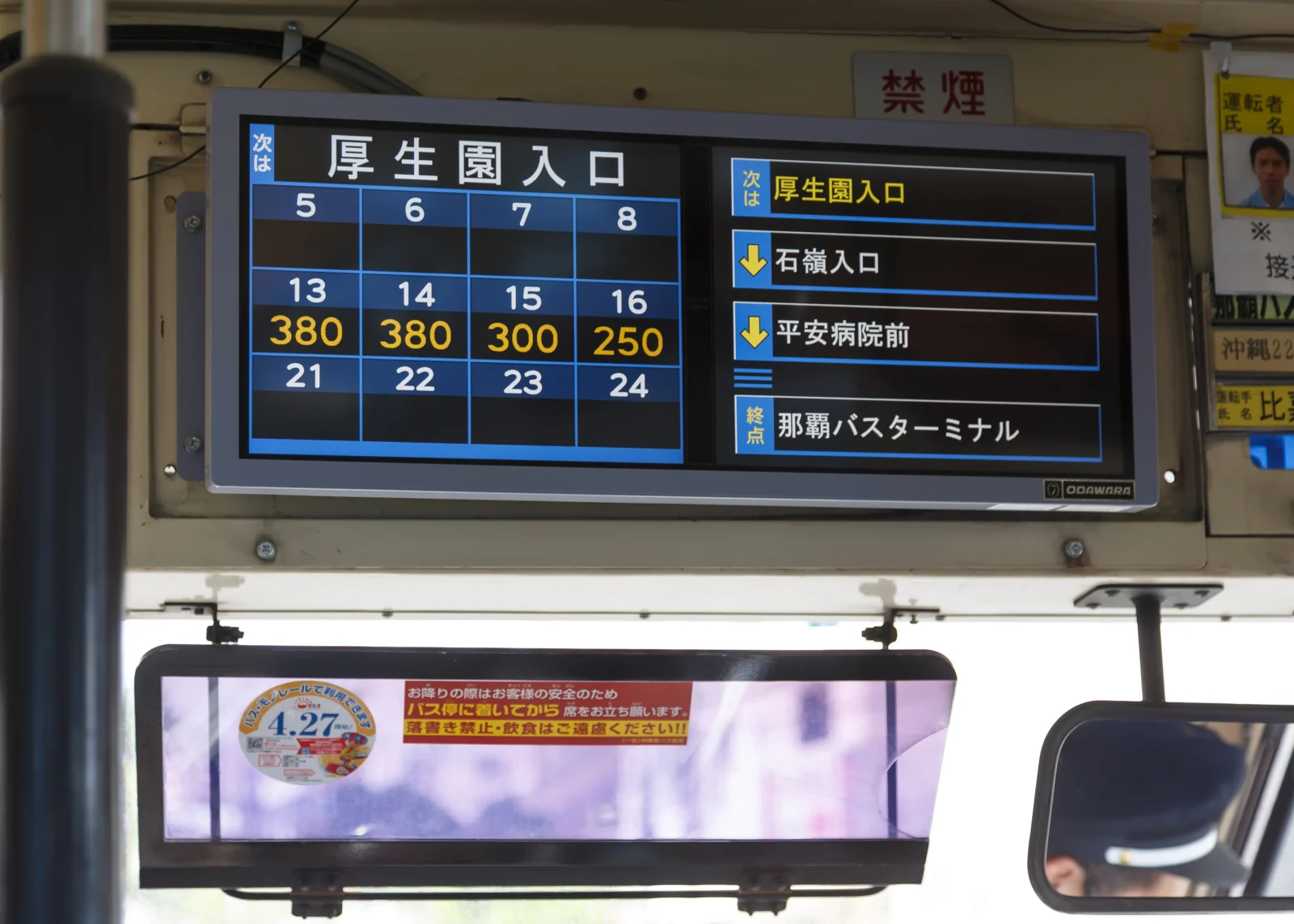
Photo: CEphoto, Uwe Aranas · CC BY-SA 3.0 · source
Concert and festival ticket prices are skyrocketing. This isn't just a feeling; it's a reality confirmed by 2026 data. A 2025 Goldman Sachs report indicates that the average ticket price for the top 100 global tours reached $136 in 2024, a 50% increase from 2019. This trend is projected to continue, with a 7.2% annual growth rate until 2030. One of the primary culprits is dynamic pricing, a system designed to maximize profit by adjusting prices in real-time based on demand.
What is Dynamic Pricing and How Does it Work?
Dynamic pricing is a strategy where the price of a good or service changes based on current market conditions, supply, and demand. In the context of ticket sales, algorithms continuously monitor interest in an event, adjusting prices accordingly. The higher the demand, the faster prices climb. This can lead to situations where a ticket costing €100 in the morning could be €340 by the afternoon.
Ticketing platforms like Ticketmaster defend this practice, stating it helps artists capture fair market value and prevents scalpers from hoarding profits. They argue that artists and their teams ultimately decide whether to implement dynamic pricing. However, critics contend that dynamic pricing merely shifts exorbitant resale prices directly onto fans.
Why Are Prices Rising, and What Does it Mean for Fans?
Beyond dynamic pricing, several other factors contribute to rising costs. These include increased production expenses for elaborate shows, inflation, and the monopolistic position of certain ticketing giants, such as Live Nation/Ticketmaster, who control a significant portion of the ticket sales and venue market. For instance, in 2026, a U.S. jury found Live Nation and Ticketmaster guilty of operating an illegal monopoly, highlighting anti-competitive practices.
The outcome for fans is clear: live music is becoming a luxury commodity. Many feel priced out of events that were once accessible. Younger generations, with less disposable income, are particularly affected by price sensitivity. For example, the 2026 Rush reunion tour saw fan outrage over prices exceeding $300 for basic seats and up to $2,500 for premium tickets. Similar complaints arose for My Chemical Romance and Morgan Wallen tours, with prices soaring to $700-$900.
Artists and Promoters: Who Benefits?
From the perspective of artists and promoters, dynamic pricing can offer much-needed additional revenue. In the post-pandemic era, with rising touring and production costs, it has become a way for many to sustain their operations. Arts and culture organizations, for example, leverage dynamic pricing to boost revenue during peak demand and improve attendance forecasting. However, not all artists embrace this. Taylor Swift, for her Eras Tour, notably opted against dynamic pricing to protect her fans. Others, like Robert Smith of The Cure, have become vocal critics, actively campaigning for sustainable and accessible ticket prices.
Regulation and the Future: What is Europe Doing?
The outcry over rising prices and fan frustration is also reaching legislative bodies. European consumer organizations, including Live DMA, Euroconsumers, and Football Supporters Europe, have urged the European Commission to implement a ban on dynamic pricing for live events within the forthcoming Digital Fairness Act. They argue that, unlike competitive markets (such as airlines or hotels), consumers have no meaningful alternative for live events when prices suddenly surge. The goal is to ensure transparent and predictable ticket prices, restore consumer trust, and guarantee access to culture and sports for all, not just the highest bidders.
For us at onemanager.art, this debate is crucial. We believe that a fair and transparent environment is fundamental for sustainable live culture, accessible to everyone, while also allowing artists and promoters to thrive. We are closely monitoring developments within the EU and will report on further steps that could significantly shape the future of the event industry. [internal link: https://one-o-one.cz/onemanager.art]
In Short
Dynamic ticket pricing for live events presents a complex challenge. While it offers artists and promoters the potential to increase revenue and cover rising production costs, for fans, it often leads to frustration and unaffordability. In 2026, ticket prices for major tours have increased by 50% compared to 2019, drawing significant criticism. European consumer organizations are therefore pressing the EU to introduce regulations under the Digital Fairness Act to ensure transparency and fairness, aiming to keep live culture accessible to the broader public.
FAQ
Q: What is dynamic ticket pricing? A: Dynamic pricing is a system that automatically adjusts the price of tickets for live events in real-time based on current demand, supply, and other market factors.
Q: Why is dynamic pricing used? A: The main goal is to maximize revenue for artists and promoters, cover rising production costs, and purportedly prevent scalpers from reselling tickets at exorbitant prices.
Q: How does dynamic pricing affect fans? A: For fans, it often means significantly higher and unpredictable prices, which can lead to feelings of unaffordability and frustration, especially for popular events.
Q: What is the response to dynamic pricing in Europe? A: European consumer organizations have called on the European Commission to introduce a ban on dynamic pricing for live events within the Digital Fairness Act, aiming to ensure transparency and fairness.
Sources & references (6)
- https://vertexaisearch.cloud.google.com/grounding-api-redirect/AUZIYQGPVAONksCuE2J-blsbi2MZbpzhEqHS_VTrYi4MMi4jU84QDalpiyhPAjZkfFZ0PIROG_hBFKvt3_bbR-Ynp6yefD3FH64__E9E_5P8DXdgdvor-uFpjhUjyhPxQ21NuPLQkrh9DCR9PDlQro8JOYvPtQvXqixrWBV6
- https://vertexaisearch.cloud.google.com/grounding-api-redirect/AUZIYQFf7Dh8Smnzx9Z4wwDsGxYBO4bl1pNxJZl4r8WGypHBn1dLG2hVfjCEhf5NwhswxVH4dV3RFpkRYREe4QTWlO0jwFIJphulBa29xOMLjugToVtMTh-FSF0c6KWNGj9BSp9cg4q2MQGBOOc95sb6C4hnyvE1e2PNT0Te2AGqTL_6PmJkEflYOizaSAFf8Wy2OMZj4w==
- https://vertexaisearch.cloud.google.com/grounding-api-redirect/AUZIYQF1Lr6npVV0ybQHPl6atP7m5PRPUyZ1a98w7YrsYvOzcYi0GMf0oA9rtD2uZR-NCD5EgGwG_gqGfL9dfjRnc1QPlc1CPHovnV7UIs5U_5hfNTUNGjtlTqeN0xuH-RIJ7slsw7PlTAy_uqO-2wm5S1YKgUZeMG_cwRB0CkMOVomiXvxcNjYjHgdsb0l9K5hYAi09l-P5uCx6uEpX9nm_cCedRRdr5NbrpoiJGSNaEgiI4MAx
- https://vertexaisearch.cloud.google.com/grounding-api-redirect/AUZIYQHamUEleK6AbXFfTj_FDIMJCNqo7RaQRkSIzLP384S_WpfCp5XyA705Y19VMIqEay7HHHOH6yKaTN-8yi3T4Pfb6pVrtO7PC6Uny-yHlL9btoD5F9vIecUmsaMkCphxwqnCoZZp8qQuoVbVFGqJ1smfHjDziu9aR38r5nVD2KWLiRMs9HClofdHcUWN-Q92ADwrkh_mlE43BtLnKv1qmGY9zUl2_EjnCQQ6r6IDljc5pw==
- https://vertexaisearch.cloud.google.com/grounding-api-redirect/AUZIYQHwqsI8DytgLtv13Oz9NnA9RMqSNULFycQmDdiW41tZU81LpNHchYb2vVblZc7eA3tmX480QMQ8_A01Q__3hBC3FTKAn-h-tvvElViUrZqlAnuGMnXmCXvtNOBs3n1yG2ENkWCuZzJtFybVPsHohDUJSAnVFSe593q68dUj4hOuwE0GBI2_EAc_y0SMipFs1IhXEw==
- https://vertexaisearch.cloud.google.com/grounding-api-redirect/AUZIYQHeTxsluRw2BSAtbUbLXLE2EiT-UI8fRAOUs5B-SoQRgl_V691B2GR2bCs-LCX0quvUTrjSG_IP3KHW4zLG9U6XQZQigMEavMGe2T7nh8B6dFxSzMjR7KcWMH9oXPuizuw9NcwfwmaiL7yhriWdYMV0qjjVpZWI8WOBB8U=
You might also like
 Live Culture & EventsBlockchain and AI Agents in Ticketing: End of the Black Market, or a New Era of Speculation?Blockchain and AI agents are transforming ticket sales. Explore whether they lead to a fairer market or just more sophisticated speculation and how to prepare.Čvc 30, 2026
 Live Culture & EventsFrom Fan Clubs to Digital Communities: How Artists Reclaim Control and RevenueDiscover how artists can leverage digital communities and direct monetization to build sustainable careers and strengthen fan relationships beyond traditional platforms.Čvc 29, 2026
 Live Culture & EventsHynek Čermák and One Manager.art: When Art Breaks BoundariesExplore why actor and photographer Hynek Čermák actively joined the One Manager.art project and how his vision is changing the world for multi-talented artists. Discover how the platform connects creators.Čvc 28, 2026
Where is your marketing burning money?
AI audit and implementation for business owners. From diagnosis to deployment.
Get an audit