The End of Passive Entertainment: How Multi-Sensory Experiences are Reshaping Events
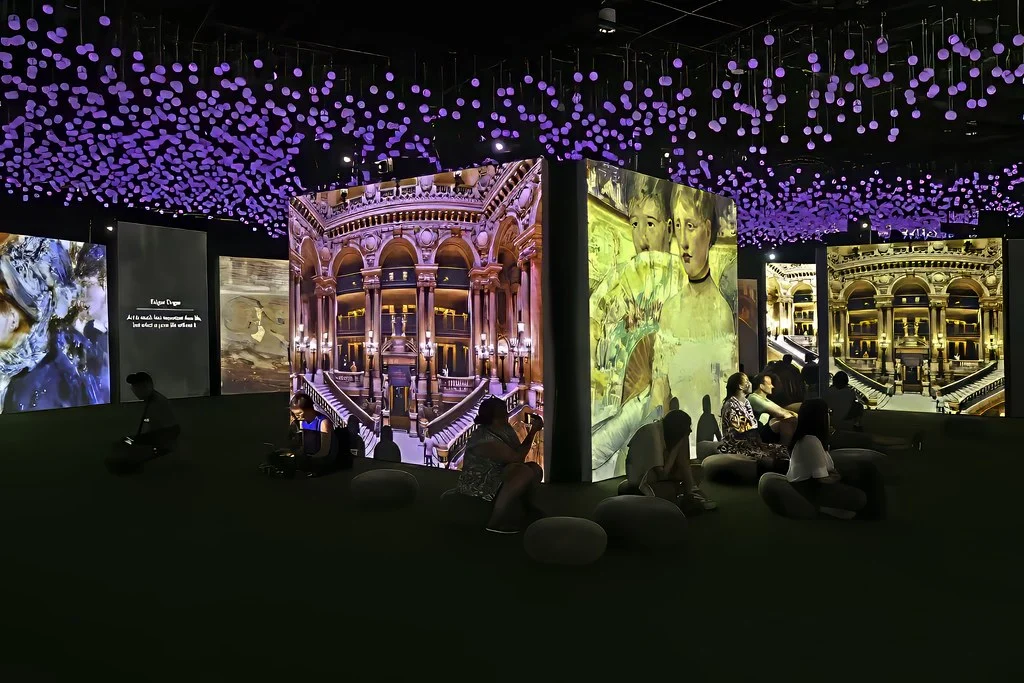
Photo: chooyutshing · CC BY 2.0 · source
Consumers no longer just want to watch; they want to engage, influence, and be part of the action. The era of passive entertainment is ending, replaced by multi-sensory immersive experiences that are changing the game in live culture and the event industry. This shift isn't just about technology, but primarily about deeper emotional engagement and new business opportunities for those who can adapt.
Market Growth and New Generation Preferences
The immersive entertainment market is experiencing rapid growth. The global immersive entertainment market is projected to grow from USD 168.5 billion in 2026 to USD 1.02 trillion by 2033, with a compound annual growth rate (CAGR) of 29.4%. Similarly, the immersive marketing market is expected to grow from USD 11.66 billion in 2026 to USD 89.45 billion by 2034, with a CAGR of 29.01%. This growth is primarily driven by Millennials and Gen Z, who prioritize experiences over physical possessions and demand interactive, personalized, and emotionally engaging events. They don't just want to be an audience; they want to be part of the story.
What Are Multi-Sensory Immersive Experiences?
Multi-sensory immersive experiences go beyond mere visual and auditory effects. They engage all five senses – sight, sound, touch, smell, and sometimes taste – to create a fully immersive environment that resonates with participants on a deeper emotional level. Imagine 360-degree projection mapping that changes based on a speaker's tone, or haptic environments where the lighting and even the scent of the room shift to match the event's narrative. The goal is to transform passive observers into active participants who feel part of the narrative and can influence it.
Technologies Enabling the Shift
Behind these experiences are advanced and continuously evolving technologies:
- Virtual and Augmented Reality (VR/AR): These enable the creation of intelligent avatars, dynamic environments, and more natural interactions with digital elements. The hardware segment, including VR/AR headsets, is estimated to hold a 41.1% share of the immersive technology market in 2026.
- Projection Mapping: This turns any surface into a dynamic canvas, immersing audiences in motion, color, and story.
- Haptic Feedback: Adds the sensation of touch and physical interaction, deepening the immersion.
- AI and Spatial Computing: AI assists with content personalization, optimizing event layouts and logistics, while spatial computing enables seamless integration of physical and digital worlds.
How to Monetize Immersive Events
Monetization models are evolving with technology. While traditional ticket sales accounted for 51.62% of turnover in 2025, sponsorships and brand partnerships are growing, expected to rise at a 12.34% CAGR during 2026-2031. The corporate sector is also discovering the potential of immersive events for team building, product launches, and experiential marketing, creating another significant revenue stream.
Case Study: Tomorrowland and Sphere
One of the most striking examples is Tomorrowland's “Unity” multi-sensory live event series at the Sphere in Las Vegas. This event combined cinematic 360-degree visuals, original orchestrations, and storytelling. Tickets sold out so quickly during presales that organizers added six additional dates to meet overwhelming demand. This demonstrates the strong potential of premium immersive experiences that justify a higher price point and attract massive interest.
Challenges and Risks
Despite immense potential, the shift to immersive events also brings challenges:

- High Upfront Investment: The technology and infrastructure for fully multi-sensory experiences are costly.
- Complex Production: It requires collaboration between event planners, AV producers, and creative teams to ensure lighting, displays, audio, and scenic design work as a unified system.
- Maintaining the 'Human Premium': In a digital world full of AI, the physical energy and connection are still what people pay for. It's crucial for technology to enhance human interaction, not replace it.
- Sustainability: Customers expect events to be sustainable and eco-friendly. Organizers must integrate green practices from the outset of planning.
Preparing for the Future of Immersive Events: An Organizer's Checklist
If you are considering incorporating multi-sensory elements into your events, review these steps:
- Define the Experience Goal: What should the participant feel, experience, and remember? What story do you want to tell?
- Analyze Your Target Audience: What technologies and levels of interaction are relevant and acceptable for them? (e.g., Gen Z expects low-stimulus zones alongside multi-sensory elements).
- Audit Current Capabilities: What is your existing AV equipment? Do you need external partners for VR/AR, haptics, or AI?
- Budget and Monetization: What are the realistic costs, and what new revenue streams can you generate (tickets, sponsorships, merchandise, corporate clients)?
- Design for All Five Senses: Beyond sight and sound, consider touch (textures, haptics), smell (mood-enhancing scents), and taste (curated samples).
- Integrate Technology Organically: Technology should serve the story and the experience, not vice versa. It should be part of the whole, not just a 'wow' effect.
- Plan for Flexibility and Reusability: Modularity and the ability to adapt content for different venues or campaigns will reduce long-term costs.
- Consider Sustainability and Attendee Well-being: Incorporate eco-friendly practices and consider zones for rest and reduced stimulation.
The Commercial Bridge
Integrating multi-sensory experiences into events is a complex process that demands strategic planning and deep technical expertise. If you're looking to transform your events from passive viewing to fully immersive experiences but lack the know-how in design, technology, or monetization, bringing in an experienced partner can be crucial. We assist in defining visions, selecting technologies, and optimizing business models for the new era of live culture.
Conclusion and Next Step
The future of live events is immersive and interactive. Those who seize this opportunity to offer truly engaging experiences will gain audience loyalty and new revenue streams. If you don't start adapting now, you risk losing your audience to more innovative competitors. I recommend conducting an internal audit of your current event strategies and considering how you can begin experimenting with multi-sensory elements this year. Start with a small, controlled project and collect data on participant engagement and satisfaction. This will lay the groundwork for future, larger-scale immersive events.
---
FAQ
Q: What is the main difference between a traditional and an immersive event? A: The main difference lies in the degree of participant involvement. Traditional events often rely on passive observation, while immersive events actively engage the audience in the narrative, often through interaction and the stimulation of multiple senses.
Q: Are immersive events only suitable for large festivals and concerts? A: No, immersive elements can be successfully integrated into smaller corporate events, product launches, exhibitions, or educational programs. The goal is always to deepen engagement and create a memorable experience, regardless of scale.
Q: What is the role of AI in multi-sensory events? A: AI plays a key role in personalizing content, dynamically adapting environments, optimizing logistics, and analyzing participant behavior, enabling the creation of more effective and relevant experiences.
FAQ
What is the main difference between a traditional and an immersive event?
The main difference lies in the degree of participant involvement. Traditional events often rely on passive observation, while immersive events actively engage the audience in the narrative, often through interaction and the stimulation of multiple senses.
Are immersive events only suitable for large festivals and concerts?
No, immersive elements can be successfully integrated into smaller corporate events, product launches, exhibitions, or educational programs. The goal is always to deepen engagement and create a memorable experience, regardless of scale.
What is the role of AI in multi-sensory events?
AI plays a key role in personalizing content, dynamically adapting environments, optimizing logistics, and analyzing participant behavior, enabling the creation of more effective and relevant experiences.
Sources & references (6)
- https://vertexaisearch.cloud.google.com/grounding-api-redirect/AUZIYQGpH7a4lgHhCWPL18kgXjENx5_W87KmInRuc35NfVjCuFzLI9JT5mdiSFakFtXJdod8hEfK7JK5IjXIpl0xv8p9oWXA5GTYQgAbm5CBRsv8B-VTC-hUXfc4kdyY44hYqeeLcdljC6-RL4Qrw5HvNC5V7Y_FOVFRTygmG4PBcG8SeGn9l4-pnD94magXvg==
- https://vertexaisearch.cloud.google.com/grounding-api-redirect/AUZIYQGRDVCmEkpqd4oPmVfK1yaNv3s2xR5855mfRGhnpLutdQ2AX5Y1IekUYeqzhoN0VJIjV9EwKfwIZ_s-_Zjrf07e7GeBx9I90Oct_4zHy_jPLjc1gerFcp5Xy9W70SsMbz-a1VhWHm99qY_8
- https://vertexaisearch.cloud.google.com/grounding-api-redirect/AUZIYQGn4q5E2AFazr3uK1CPOGpsOeRwL0_q1o0-Cmqvjf1DWzpto_6Ue0elLCDGwXCx8Fk0gNA-TfAAhoMRdWth4rdvCdVPPSAC6FLbXDvCb_QTpuOIn47Epw41T3Jt3El2F2BotIvRkYSNiipT6hRNWHFrESyMS6oRFP2kl9P0FQQ0rS-FrA==
- https://vertexaisearch.cloud.google.com/grounding-api-redirect/AUZIYQG4yhBmmdhdQQuPohdH6Bisl4O1x205ZsKdx6N5js4buTs1Wwag5MH8tZ5Db3eJTibAF7IBvDwoMvRAycxc1Bh7buI1rEe8Y_YZ3zrwJKtj7pHCxjXBphvo85x-9fgiH7uju7GswZFGSt9lOsXtCn5ijm7993H55BgnR08C7axdyveile2bkCk=
- https://vertexaisearch.cloud.google.com/grounding-api-redirect/AUZIYQGQlrYPMCYs7WWa5RbhWz1CUzFZQ9zx6xl3_u36i4nNrut16k2Qa9FplED-ysgm3YczAAggeJ6hVpjxtNfYLFVdaHLOLHt2_hN_H3Xpu4YN4p6gRp22B3Yc3y7NadMN5hjk8nXXwNblhVxOvfsHUftoKg8ADYHtPj2dTDkKZ_oKIUQ-gc0emO7-P8Dwzym2-SY=
- https://vertexaisearch.cloud.google.com/grounding-api-redirect/AUZIYQFxTPjsnC9XJQzgqDIKQt4RaY2bVPKXeo_jhC5gh4q0vBzk2opIEYtNgUwPaym6iY32WLCDk8XDn2o5KcTJYDqTWg52Ehneu0BU9LLv-ZIN7xo--KN5BFM9g3zRuyoVDjEK_uQjXi1xwv9lqC5sNu7XTwfGypzG0EdyuqWx9mXEzJcazDM=
You might also like
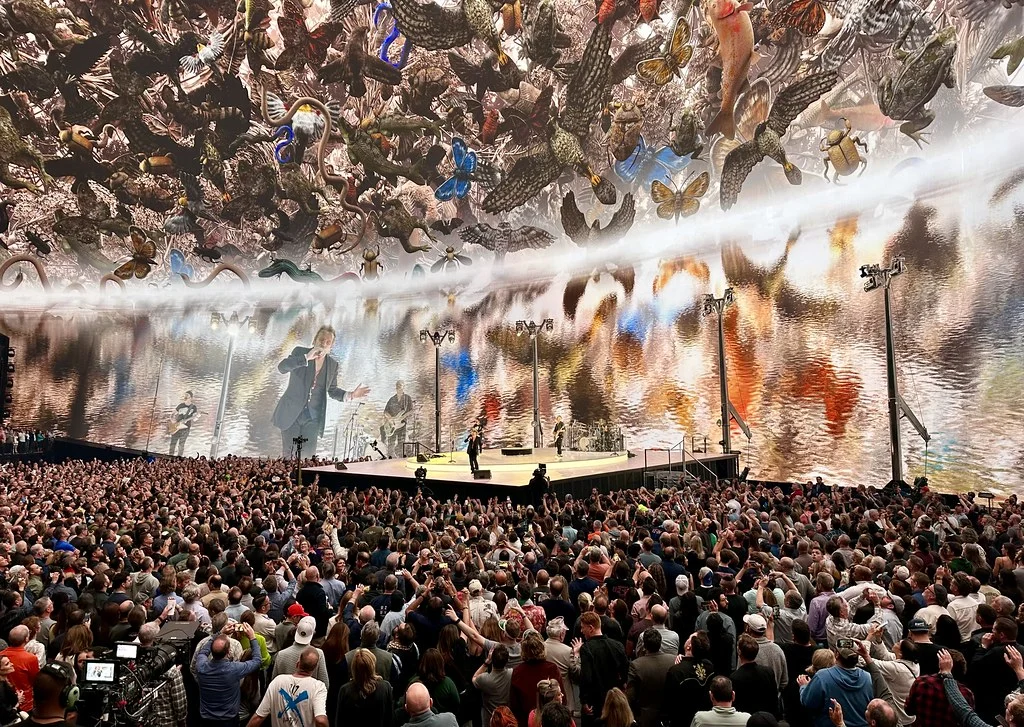 Live Culture & EventsEnd of Hidden Fees: EU Pushes for Ticket Sales TransparencyThe European Union is tightening regulations on ticket sales to eliminate hidden fees and unfair practices. What does this mean for event organizers and fans in 2026?Srp 1, 2026
 Live Culture & EventsTech for Greener Events: The Future of Festivals and ConcertsHow is technology transforming the event industry towards sustainability? Explore digital ticketing, renewable energy, and AI to reduce ecological footprints.Srp 1, 2026
 Live Culture & EventsBlockchain and AI Agents in Ticketing: End of the Black Market, or a New Era of Speculation?Blockchain and AI agents are transforming ticket sales. Explore whether they lead to a fairer market or just more sophisticated speculation and how to prepare.Čvc 30, 2026
Where is your marketing burning money?
AI audit and implementation for business owners. From diagnosis to deployment.
Get an audit