How Immersive Technologies Are Reshaping Live Events and Music
Photo: jurvetson · CC BY 2.0 · source
The immersive entertainment market is on the cusp of a massive expansion. Analysts from Grand View Research predict that the global immersive entertainment market, valued at $168.5 billion in 2026, will skyrocket to an astonishing $1.02 trillion by 2033, with a compound annual growth rate of 29.4%. Similar forecasts come from Fortune Business Insights, estimating growth from $185.7 billion in 2026 to $1.23 trillion by 2034. Live events and concerts are among the fastest-growing segments within this dynamic industry. This trend became vividly clear on July 21, 2026, when L1VE introduced its "Social Presence" platform, promising to allow fans, for the first time, to be truly inside a live sports or music moment, together, in real-time, from anywhere.
What Does Immersion Mean for Audiences?
For audiences, immersive technologies signify a shift from passive viewing to active participation. It's no longer enough to just listen to music or watch a stage performance. Today's audiences crave interaction, presence, and engagement that traditional venues often struggle to provide. Virtual reality (VR), augmented reality (AR), and extended reality (XR) create environments where users can dive into digital content, seeing, hearing, and often even touching it.
In concerts, this could mean the ability to stand virtually on stage with artists, change camera angles during a performance, or experience real-time visual effects that complement the music. Virtual concerts, for example, allow artists to reach millions of fans simultaneously, overcoming the capacity limitations of physical venues. The Black Mirror VR experience, which premiered in Montreal in June 2026, is another example of how audiences can become part of a narrative, stepping into dystopian worlds through cutting-edge VR technology.
New Opportunities for Artists and Event Organizers
For artists and organizers, immersive entertainment opens up entirely new avenues for creative expression and monetization. Musicians can craft visually rich worlds that accompany their music, offering fans exclusive, personalized experiences. This is crucial at a time when artists are looking to diversify their income and build direct relationships with fans, as streaming revenues face increasing pressure.
Platforms like L1VE are creating a new licensable class of media rights – immersive live rights – that previously didn't exist. This allows for the monetization of experiences beyond traditional broadcast and streaming. Conferences such as Immersive Tech Week in Rotterdam, held in June 2026, have already hosted discussions on "The Future Stage: Opera, AI and Immersive Performance," indicating the broad application of these technologies across the cultural spectrum.
"When we recently discussed production concepts for a smaller cultural event with our team, the question of immersive elements was on the table from the very beginning. It was clear that without elements that draw the audience into the action and offer more than just passive viewing, we simply cannot compete today."
For event managers and promoters, this necessitates rethinking event design, investing in new technologies, and developing skills in creating and managing immersive content. This is an area where onemanager.art assists artists and organizers in navigating these new trends and effectively implementing them into their projects to achieve maximum impact and stay ahead of the curve.
Challenges: Technical Complexity and Accessibility
Despite its immense potential, the deployment of immersive technologies also brings significant challenges. Creating immersive environments is technologically complex, requiring integrated infrastructure, scalable content workflows, and increasingly sophisticated operational management. High-resolution and seamless experiences demand robust hardware and reliable connectivity, which may not be readily available everywhere. Furthermore, there's the question of balancing technology with the authentic human connection that is fundamental to live music and culture.
It is essential to ensure that technology serves art and experience, not the other way around. Addressing accessibility is also crucial, so that immersive experiences are not exclusive to those with the latest gear or the deepest pockets. Developments in this area, such as the Los Angeles Immersive Invitational, demonstrate efforts to innovate and overcome technical barriers to make immersive art accessible to a wider audience.
The Future of Live Culture: Hybrid Models and Personalization
The future of live culture will likely be hybrid. Physical events will be complemented by digital experiences, allowing artists to reach broader global audiences and fans to experience events in new, personalized ways. This shift offers endless possibilities for creativity, from holographic performances to fully interactive virtual worlds.
As technology continues to evolve, we can expect even more realistic and engaging immersive experiences. The key to success will be the ability of organizers and artists to integrate these technologies in a meaningful way that strengthens the emotional connection with the audience and offers unforgettable experiences that transcend the boundaries of traditional entertainment. This evolution is not just about technology; it's about a new understanding of what it means to be live and to experience culture together.
FAQ
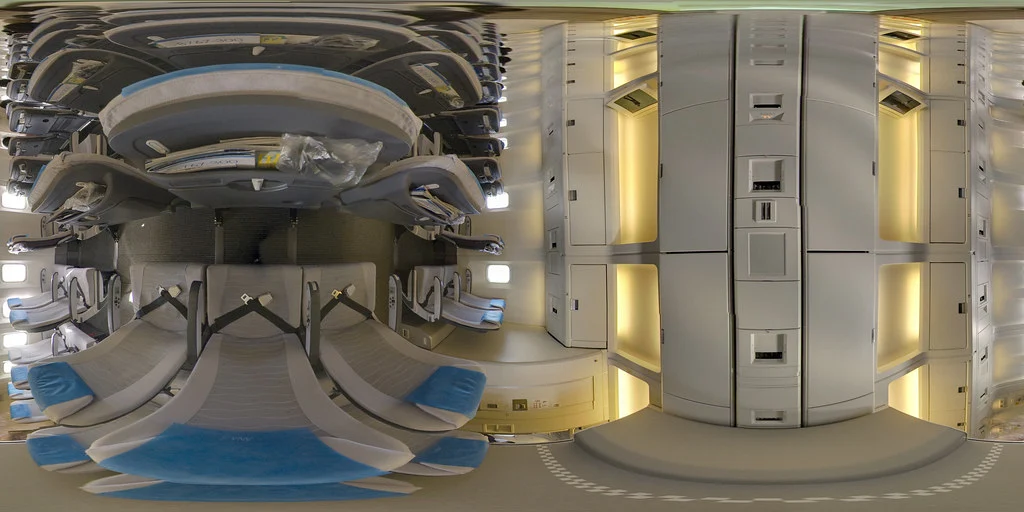
Q: What are immersive technologies in the context of live events? A: These are technologies like Virtual Reality (VR), Augmented Reality (AR), and Mixed Reality (XR) that create immersive and interactive environments where audiences feel part of the action, rather than just passive observers.
Q: How do immersive technologies benefit artists? A: They enable artists to create new forms of creative expression, reach global audiences, diversify revenue streams beyond traditional streaming, and build deeper, personalized relationships with fans.
Q: What are the main challenges in deploying immersive technologies? A: Key challenges include high technical complexity, the need for robust infrastructure, scalable content, sophisticated operational management, and ensuring accessibility for a broad audience.
Q: Will virtual reality replace physical concerts? A: Rather than replacing them, immersive technologies will complement and enhance physical concerts. The future lies in hybrid models that combine the best of both worlds, offering new experiences and making culture accessible to a wider audience.
Sources & references (7)
- https://vertexaisearch.cloud.google.com/grounding-api-redirect/AUZIYQELne5Q9TshPh0J57x7dh2j6YoxHQxO2jbqyfzQDgQFTj9I3sdhtmJVVhzp9aehpgfSIAklA74eERkxBcn33lOs9iufEsR-UCJ66xEK89hTt1LszpVnVP4uRnliyrMS1Nm6Um2DzD2-qhitrohi9Ywdq2zuagRHKAKHsG6XFNFyh_I=
- https://vertexaisearch.cloud.google.com/grounding-api-redirect/AUZIYQF7v_hntAiLQKtnqrnCT3PhZTEw7o6uLBXaXFKxtdWNZ5YjFO2A3dgyKAX-l3DcWKrPuBuCNB5d9JAv4nNNGADzofvW5bw5z-yCJEON0rlOSji7zcjAJwkmKs5G-lHel8jY2Em6k5VSBSmCmTHlKx2vj-xHOesYqym-qIagcr-442pA3_-B8ntKJsV3a03Cp-Eya9Y=
- https://vertexaisearch.cloud.google.com/grounding-api-redirect/AUZIYQGJkiIGm0JQvY65Hyo2pwcHZ--S_v2vpizxE0iPjrXyeSK4v2tTuZ55vZCbK665qW7-KkK1zbGUM-Uxxsz7Xk-NM4vi-lSzfHNwsUeX7SJVNcbk6GZ2UPgYfWB1dlxFlQRUPj4YHcA3-SVZ24XNeCcfp4SCD7QL35POCSyVgk5PblD8Gj4KqzohkrYVgyxqMl8A==
- https://vertexaisearch.cloud.google.com/grounding-api-redirect/AUZIYQG00iSRc5kIzu-i91ftp9w0F76VrtLuk_LI8KD3pCreR-nTYIAPu9X5KGSbw9xbmFFUWK-x6HeROXhZ9tXyEnQQN8KsFAgmUSpE9RgZ7jk=
- https://vertexaisearch.cloud.google.com/grounding-api-redirect/AUZIYQFsWvMRMfjpXstmDRhW6SYxIf1e8tGonVzMZ2brb_tiqzIfvGLzLHFLFxQXhKmqWXDwfqgJhuE9KEC8y9kYoNZdlJ6qKoi5Cj9ui58k_RH5J0gVGyqks3LB_VqeYsMLjVwEUFHhAdEtpYksW25helT_VaZhtbLhpqYCP3DX2xpib0Ne7Uytp5-0WHyjlSYbDA_VjPg=
- https://vertexaisearch.cloud.google.com/grounding-api-redirect/AUZIYQFb4FJwkT_NvEUDFhmuH49FKgtoLGKF7syF-opmy8NzZy_WZbvYN2Dgpmb4lX2XSopk4SOyyKd57pw34HfkN2bo3T3NYQYzcV2xVTvTsSFpTEmdMCWkkuFhx_NMZDC4v3SDQFn7ryepTcv-bxOYGggpYKNXljNJWNe1f-hEyDqk5JxvKA==
- https://vertexaisearch.cloud.google.com/grounding-api-redirect/AUZIYQFHxkyAaEuiqn1lXn8TO5is5IaL_eeNtHIDReeEPXRQrCuNY74j-MeeOC3Wffk8NZTFRt7C-Tt6E7BPeCNliPPtl2Qv4gMcv-Tvlg1hO_wR4v7qbh0pVKiE3rh7FfqZ-z9ANyLNtT4usaclquZYy-taKbv3a4y7MrpMqzQPx-ggj-2sFmhRxa1zscYKTAZ_8h5-uAPE9GPb5wNHI3X2hO5MH8aCGKO50Sc=
You might also like
 Live Culture & EventsBlockchain and AI Agents in Ticketing: End of the Black Market, or a New Era of Speculation?Blockchain and AI agents are transforming ticket sales. Explore whether they lead to a fairer market or just more sophisticated speculation and how to prepare.Čvc 30, 2026
 Live Culture & EventsFrom Fan Clubs to Digital Communities: How Artists Reclaim Control and RevenueDiscover how artists can leverage digital communities and direct monetization to build sustainable careers and strengthen fan relationships beyond traditional platforms.Čvc 29, 2026
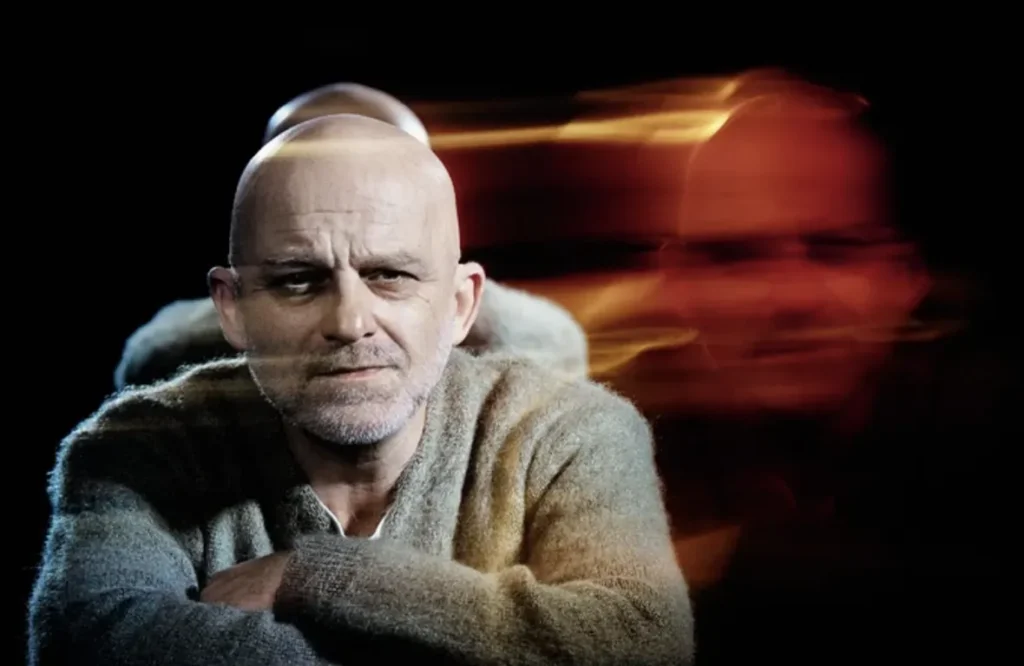 Live Culture & EventsHynek Čermák and One Manager.art: When Art Breaks BoundariesExplore why actor and photographer Hynek Čermák actively joined the One Manager.art project and how his vision is changing the world for multi-talented artists. Discover how the platform connects creators.Čvc 28, 2026
Where is your marketing burning money?
AI audit and implementation for business owners. From diagnosis to deployment.
Get an audit