Jan Český and the Digital Stage: How onemanager.art is Changing the Game for Traditional Artists
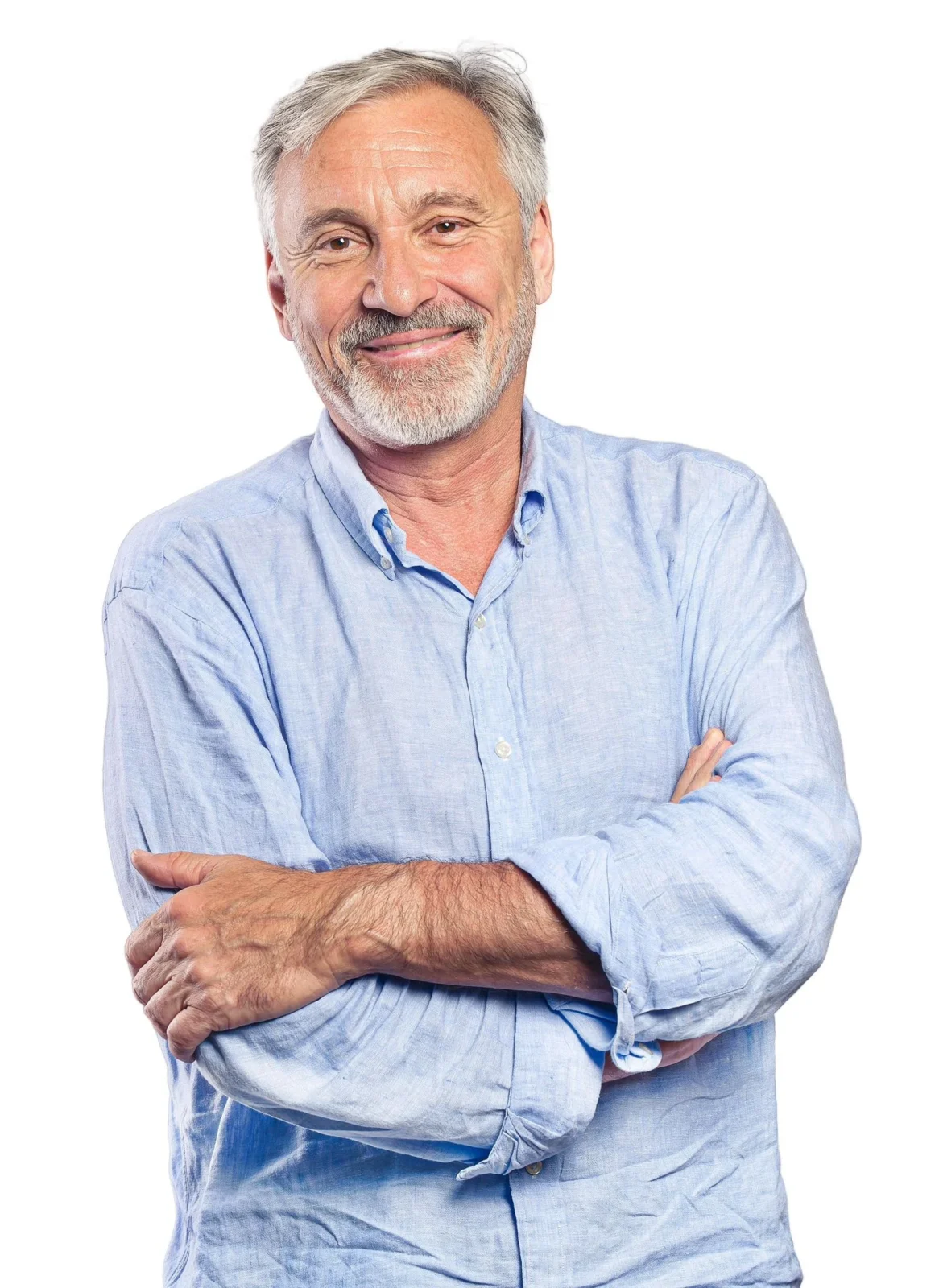
Photo: Dale Cruse - 10M views from San Francisco, CA, USA · CC BY 4.0 · source
Traditional artists, who have honed their craft for years in brick-and-mortar theaters, galleries, or concert halls, often view the digital world with skepticism. They see it more as a threat to the authenticity and quality of their work than an opportunity. However, this dichotomy between artistic tradition and technological innovation is becoming increasingly unsustainable, especially as culture and entertainment shift to online spaces. Let's consider Jan Český, a traditional stage actor.
When Theater Meets Algorithm: Jan Český and the Digital Revolution
Jan Český is the archetype of an artist who excels on stage but feels uncomfortable in front of a computer screen. For him, social media and online platforms are a necessary evil, or even something that distracts from true art. "Theater is live, with the audience in the hall, not through some screen," he often used to say. His career was built on personal contacts, newspaper reviews, and packed auditoriums. The idea that he should manage his calendar online, communicate with fans via the internet, or even sell tickets digitally, seemed alien and unnecessary to him.
Jan's skepticism is not unique. Many traditional artists worry that digital tools will suppress manual skills, disrupt the tactile experience of creation, and lead to the depersonalization of art. There is also a fear of losing control over one's work and concerns about plagiarism or misuse in the digital environment. Yet, it turns out that art history is full of examples where new technologies, from photography to synthesizers, initially met resistance only to eventually become an integral part of the creative process and open up new artistic directions.
Why are Traditional Artists Afraid of the Digital Stage?
Fears of technology stem from several sources. One is the feeling that the digital environment is too complex, requiring specific technical skills that traditional artists do not possess and are reluctant to learn. Another is the fear of losing authenticity – digital reproductions seem less 'real' than the original. Many artists also worry about becoming just another 'product' on the internet, where their work gets lost in a flood of content.
Surveys show that while basic digital tools like live streaming are familiar to artists, newer technologies, such as generative AI, are adopted by only a small fraction. This is due not only to limited access and skill gaps but also to concerns about commercial exploitation and insufficient copyright protection.
onemanager.art: A Bridge to Independence and New Audiences
It is in this context that platforms like onemanager.art come into play. Their goal is to simplify the management of an artistic career and connect artists directly with their audience, even for those who are wary of technology. onemanager.art is designed to minimize technical barriers and allow artists to focus on what matters most – creation.
Independent artist platforms offer several key advantages:
- Direct Fan Connection: Artists can build a community and communicate with their audience without intermediaries. This fosters loyalty and allows for direct feedback.
- Independence and Control: Artists gain full control over their work, distribution, and monetization. They do not have to rely on 'gatekeepers' like record labels or agencies.
- Transparent Monetization: Thanks to digital tools and often blockchain technology, transaction transparency and fairer compensation are ensured. Artists can set up various income models, from direct sales to subscriptions.
- Global Reach: Digital platforms break down geographical barriers, allowing artists to reach audiences worldwide, which would be almost impossible through traditional channels.
The Path from Skepticism to Digital Discovery: What Jan Český Learned
Jan Český was eventually persuaded to try onemanager.art. His initial distrust gradually dissipated as he discovered how intuitive the platform was. He started with a simple profile, uploading samples of his work and announcements about upcoming performances. He soon realized that onemanager.art was not about replacing live art, but about extending it.
The platform allowed him to easily manage his calendar, sell tickets to his shows online, and even offer exclusive content to his most loyal fans – such as rehearsal footage or behind-the-scenes interviews. He found that even his traditional audience appreciated the opportunity to follow his work closely and support him directly. Instead of 'cold' technology, he discovered a tool that helped him forge a deeper, more personal connection with the people who love his art. This also gave him financial independence he previously lacked, allowing him to pursue the creative work he had always desired.
Checklist for Traditional Artists Entering a Digital Platform
If you are a traditional artist considering entering the digital world, this checklist will help you with the first steps:
- Define Your Goals: What do you want to achieve with a digital platform? A larger audience, new income streams, simplified management?
- Choose the Right Platform: Look for a platform that is intuitive, artist-focused, and offers features relevant to your field (e.g., onemanager.art for live culture).
- Start Small: You don't have to digitize everything at once. Begin with a profile, work samples, contact information, and gradually add more features.
- Content Quality is Key: Digital format does not mean lower quality. Ensure your photos, videos, and texts are professional.
- Be Active and Communicate: Regularly update your profile, respond to comments, and build a community. Authenticity is valued.
- Don't Be Afraid to Experiment: Try different formats – live streams, online workshops, exclusive content. The digital world is dynamic.
- Monitor Results: Use the platform's analytical tools to understand what works and what doesn't, and adapt your strategy accordingly.
The Future of Live Culture: Hybrid Models and the Power of Community
Jan Český's story illustrates a trend that is increasingly asserting itself in the cultural industry: hybrid models that combine live experiences with digital reach. The creator economy, where artists build their careers directly with fans, is on the rise and is expected to reach $480 billion by 2027. Platforms like onemanager.art play a crucial role in this ecosystem, providing infrastructure for content distribution, audience engagement, and monetization.
It's not just about artists surviving in the digital world, but thriving in it. Technology, when used correctly, can be a powerful partner that provides artists with freedom, reach, and financial stability without having to sacrifice their artistic integrity. It's time for even the most traditional creators to overcome their fears and discover the potential of the digital stage. onemanager.art is one of the tools helping them do just that. More information on how onemanager.art supports independent artists can be found at one-o-one.cz/onemanager-art.
FAQ
Q: Is onemanager.art only for digital artists? A: No, onemanager.art is designed to support a wide range of independent artists, including traditional ones such as actors, musicians, or visual artists. The goal is to simplify career management and online presence for all creators.
Q: Can traditional artists truly succeed in the online world without losing authenticity? A: Yes. The online world offers new ways to share art and build community without sacrificing quality or authenticity. The key is to find a balance and use technology as a tool to extend one's reach, not as a replacement for live creation.
Q: How does onemanager.art help with the monetization of artistic work? A: Platforms like onemanager.art enable artists to directly sell event tickets, offer exclusive content to subscribers, accept donations, and manage other revenue streams, thereby reducing reliance on traditional intermediaries and increasing transparency of compensation.
Q: What is the biggest hurdle for traditional artists transitioning to digital platforms? A: Often, it's the initial fear of the unknown, a lack of technical skills, and concerns about losing control or authenticity. Overcoming these psychological barriers and a willingness to learn new tools are crucial for successful adaptation.
Sources & references (6)
- https://vertexaisearch.cloud.google.com/grounding-api-redirect/AUZIYQHPyxOfmpiLhbGDvOBbDc6ULkDEb5p9CbrMS6voj94MeAt3maZ9kKTDg2kSRL8TtSwSB4gJwvzq6STgMSnUZkB2fmmIHlFnvJO7Sqp5EwlOBEB3-xoMisG47aEhZz3HUvUSfNfX9IVsZwK6IkOO4tOQBGtA3fYB84neVhLcDvjPx1BItv-xC9Ntyl9GXxO5BA==
- https://vertexaisearch.cloud.google.com/grounding-api-redirect/AUZIYQHcZoOpFlrNUyQ0XdbtPwixaCAdlu4VnvXXPjsnw_ruYMbsvJxxPGYBdF9x4sEIXJRozBmODljBJAz5golQ0_93do_eeNlRi1rq3wJ5mReBxdA9d2XOFCar-GpjgkGkdLok4rB380lcouErkToKUzPc9NROOwJ8kHA2r8=
- https://vertexaisearch.cloud.google.com/grounding-api-redirect/AUZIYQFSML5qU7KnyCq7QbH6nK2gDuhOYeKlqtJvSR52oNRbQlHaRR9o9mX-sd6OPihXKoQN-YGbsQbhx6FDPNnvfINXiknDN8eiBqkvYS9Sc4QNdBA5GJg2BearMLP-gQCYUIti8C__-5JFS-uZGttQ9Wsbs27-G56uP8SrLzWeoxoc99FesYmderVALK84w3ERHIjQerEjq2xmfw==
- https://vertexaisearch.cloud.google.com/grounding-api-redirect/AUZIYQHGtDxm-J_99LXnKD4ETI_9DYO6WdkPpkMaSY9ECzIqMKXPQx2g-yLvTdl8qez3nLYlKZQHwJg8fu8JQBrcLOojW6WladRiVJdB6PhCBM_ac7n4bBG2a1mbtRmhsnYuMZhCaoVWjcf73s533HyUJrUjP7RyT2qWqEkqvRferEo7XvXYgRxZ6fzKum_5
- https://vertexaisearch.cloud.google.com/grounding-api-redirect/AUZIYQHLSvhWoZqTlkPdzuX8TWrwnbTkbIqUGDW1u4u5NBNpFvrAwBMRxOeBILQpJr54WdwYcbagLr7U5kcuTxdQy2XXSilpatzHffzKQ-WlDrYiWKiiSKLmdqrEqat-xHAOpOiSafP-JggEJLdk8wv_82OCmDKDEsIPeth2IvniHy4JhNf5937Mg2DAcxV6pFNRb-W6RTgiddSMY6xSKY0NZUUz6piu1RwIGE=
- https://vertexaisearch.cloud.google.com/grounding-api-redirect/AUZIYQHnLgacJQeAHXxtCcDXEGpxF0bIeVPUkUduPU_EMilxjR7PS-rVwlBMbHcD7I9TWtaC2UOKM7TNU3e3-rp0C3Sf5L4hvIo53xTOkIVonxjFIJtVnYyZRIgZzW1iFRihecO5hZT6zwCViiQqr8RO9gTQRPtR1xhELg==
You might also like
 Live Culture & EventsBlockchain and AI Agents in Ticketing: End of the Black Market, or a New Era of Speculation?Blockchain and AI agents are transforming ticket sales. Explore whether they lead to a fairer market or just more sophisticated speculation and how to prepare.Čvc 30, 2026
 Live Culture & EventsFrom Fan Clubs to Digital Communities: How Artists Reclaim Control and RevenueDiscover how artists can leverage digital communities and direct monetization to build sustainable careers and strengthen fan relationships beyond traditional platforms.Čvc 29, 2026
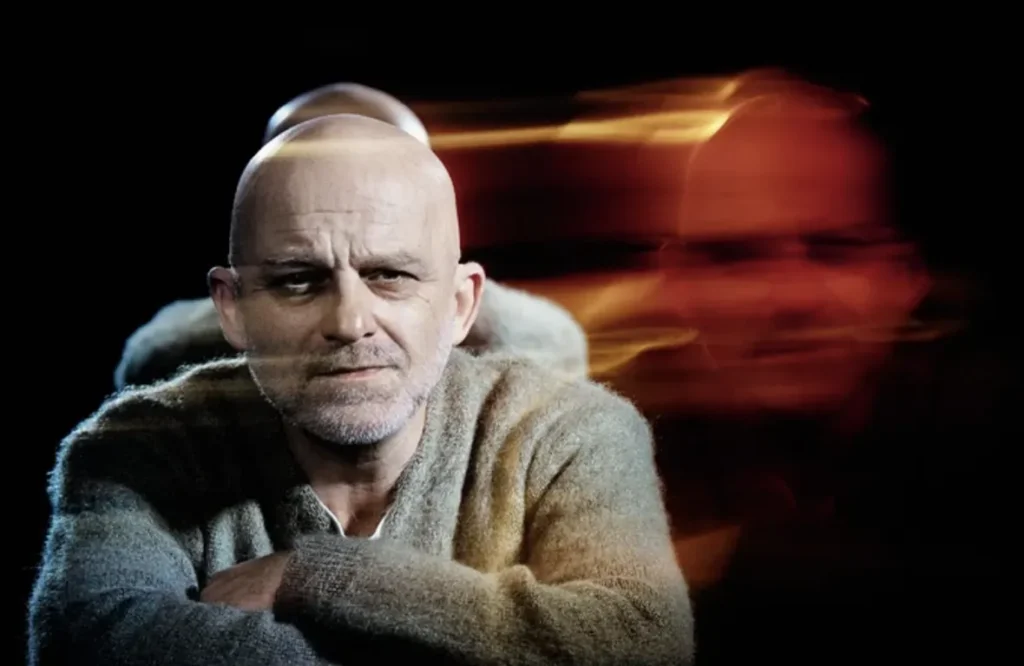 Live Culture & EventsHynek Čermák and One Manager.art: When Art Breaks BoundariesExplore why actor and photographer Hynek Čermák actively joined the One Manager.art project and how his vision is changing the world for multi-talented artists. Discover how the platform connects creators.Čvc 28, 2026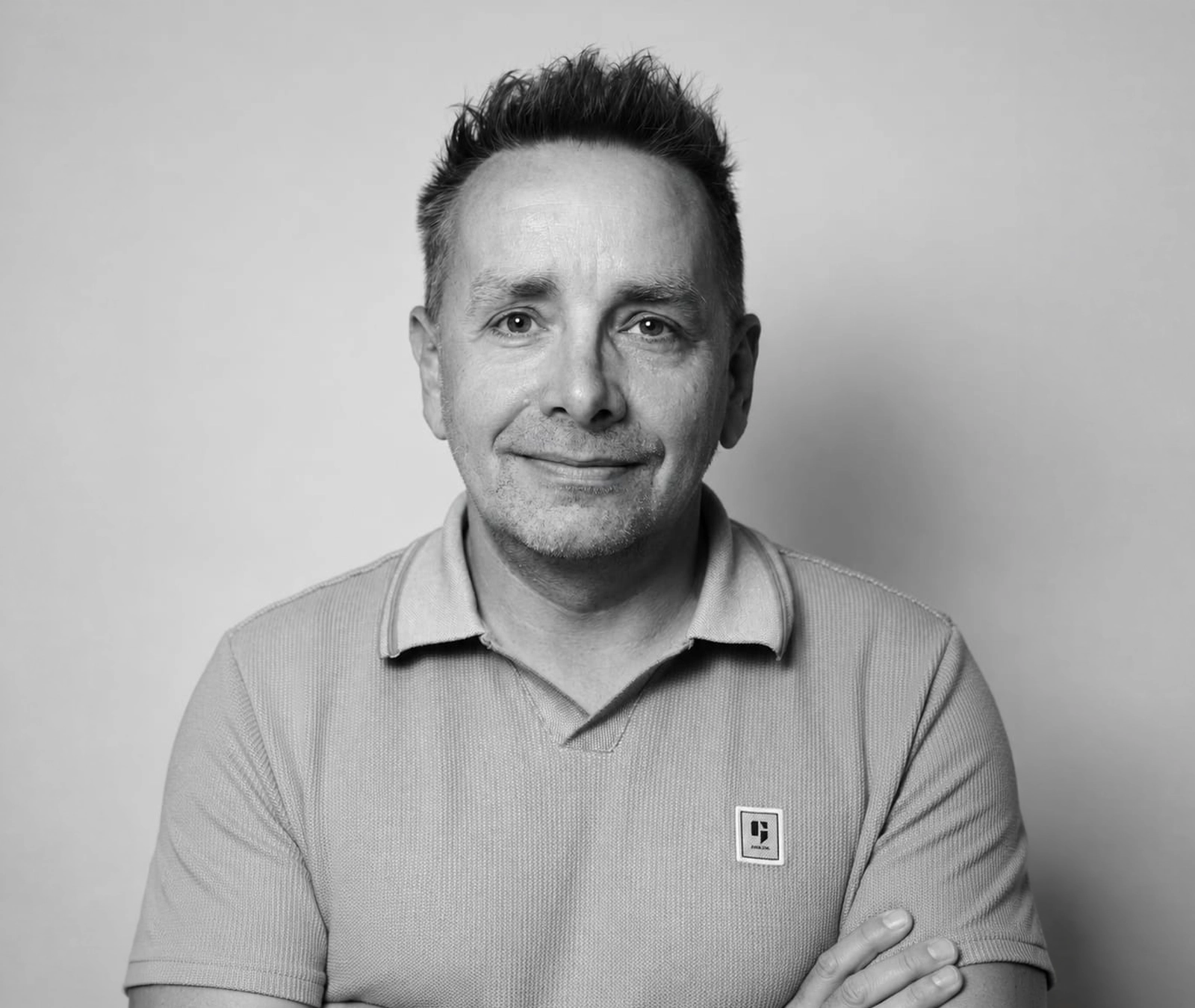
Where is your marketing burning money?
AI audit and implementation for business owners. From diagnosis to deployment.
Get an audit