Sustainable Events 2026: From Trend to Imperative and Measurable Impact

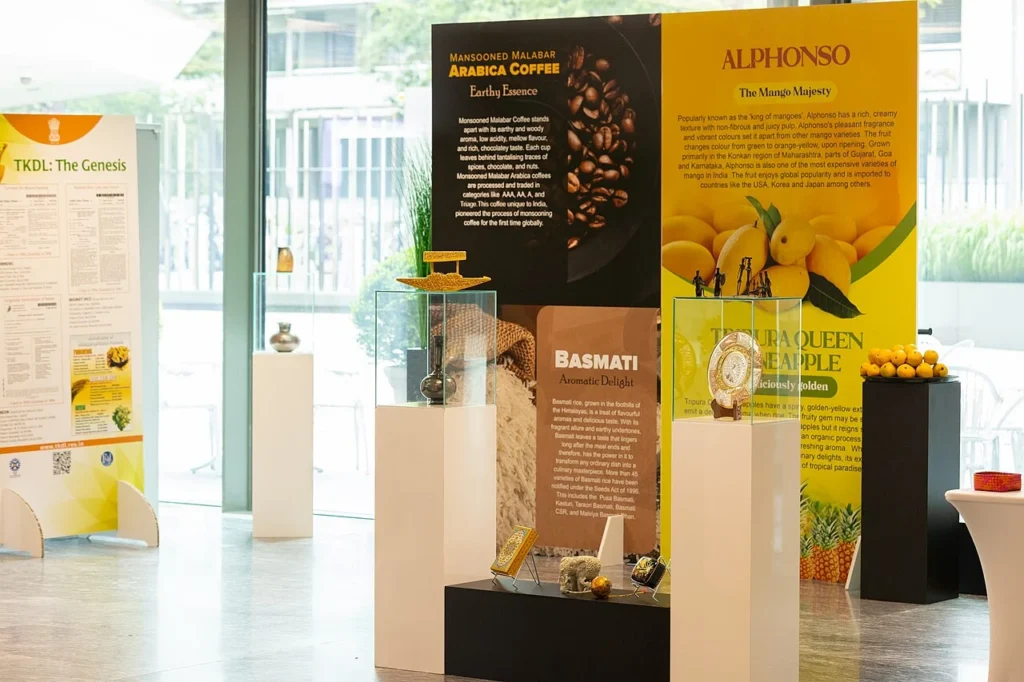
Photo: World Intellectual Property Organization · CC BY 2.0 · source
I remember a time when 'green' events were discussed more as a nice-to-have bonus, something that could be done if there was spare budget and time. Today, it's 2026, and sustainability in the event industry is no longer optional. It's a professional expectation, shaped by client demand, supplier responsibility, and increasing scrutiny from all stakeholders, from sponsors to attendees themselves.
Why Sustainability is the New Standard
Climate change and environmental degradation are pressing all sectors, and live culture is no exception. Events have a significant carbon footprint, primarily due to travel, energy consumption, and waste production. In 2026, it's no longer enough to just 'think green.' We must act and demonstrate results. According to M&I Forums, sustainability in event planning in 2026 is a professional expectation that should be firmly embedded in every project.
Moreover, 70% of attendees state they would choose an event with demonstrable sustainable practices over a comparable event without them, if the price were the same. Sponsors and partners are increasingly integrating ESG (Environmental, Social, Governance) criteria into their decision-making processes. Events without a clear sustainability strategy risk losing funding and audience interest.
Key Pillars of a Sustainable Event 2026
Effective sustainable planning covers the entire event lifecycle – from initial concept to post-event activities. Here are the areas to focus on:
- Smart Venue and Supplier Selection:
- Certifications: Prioritize venues with recognized certifications such as LEED, BREEAM, or GSTC MICE Standards. These certifications demonstrate commitment to energy efficiency, waste reduction programs, and responsible water management.
- Local Sourcing: Collaborating with local suppliers reduces the transportation carbon footprint and supports the local economy. This applies to catering, technical equipment, and staff.
- Waste Minimization and Circular Economy:
- Digital Solutions: Digital ticketing, registration, and event programs eliminate the need for printed materials.
- Catering: Focus on local and seasonal ingredients, plant-based alternatives, and minimizing food waste. Use biodegradable or reusable tableware.
- Decorations: Utilize recyclable, reusable, or natural materials. Move away from single-use banners and props.
- Energy Efficiency and Transportation:
- Renewable Sources: Where possible, use electricity from renewable sources. LED lighting is standard.
- Attendee Transportation: Encourage public transport, ride-sharing, and hybrid or virtual attendance options to reduce travel emissions. Travel, especially long-haul air travel, is often the largest contributor to an event's carbon footprint.
How to Measure Impact and Avoid 'Greenwashing'
Meaningful impact reduction is only possible with accurate measurement. Establishing a sustainability baseline allows you to move from assumptions to facts. Tools like event:decision's Track help planners understand travel-related emissions without complex data input.
Checklist for Measurable Sustainability:
- Goal Setting: Clearly define what you want to reduce (e.g., 20% less waste, 15% lower CO2 emissions) and within what timeframe.
- Data Collection: Gather data on energy consumption, water usage, waste production, transportation types, and supply origins.
- Reporting: Transparently communicate your results, successes, and challenges. Avoid vague phrases and focus on concrete numbers.
- Third-Party Audit: Consider an independent audit to verify your claims and increase credibility.
Case Study: The 'Green Tones' Festival
Our experience with the 'Green Tones' music festival three years ago showed how crucial it is to start with sustainable goals early on. The initial goal was to reduce mixed waste volume by 30%. After the first year, we found that despite ambitious plans, we only achieved a 10% reduction. The problem lay in insufficient visitor education and a complex sorting system. For the next year, we introduced 'Eco-Patrols' who actively helped with sorting and simplified collection points. Additionally, we switched to a system of reusable cups and returnable plates. The result? A 45% reduction in mixed waste and a 60% increase in recycled materials within a single year. This demonstrates that investing in clear communication and simple solutions pays off and leads to real change.
Consequence of Inaction and Business Bridge
Companies that ignore the pressure for sustainability risk more than just a bad reputation. They face a loss of competitiveness, talent drain (especially younger generations prefer ethical employers), and ultimately, penalties for non-compliance with future regulations. Sustainability is now a direct part of business strategy. When sustainability is addressed only superficially, instead of being deeply integrated into processes, it can lead to accusations of greenwashing, which has devastating consequences for a brand.
Integrating sustainability into large-scale events requires comprehensive planning, knowledge of the latest technologies, and effective communication. If you feel your internal capacities are insufficient for such a large-scale transformation, or you need help with auditing and implementing specific solutions, it's time to bring in an experienced partner. We help organizers navigate the complex landscape of ESG criteria, optimize processes, and demonstrably reduce the impact of their events. [internal link: https://one-o-one.cz/onemanager-art]
Next Step: Where to Start?
Don't wait. Start with small, measurable steps. Critically review your existing events and identify the biggest sources of unsustainability. This could be travel, catering, or energy consumption. Create a plan with specific goals and deadlines. Most importantly – communicate your efforts transparently. Sustainability is not a one-off project but a continuous process of improvement.
FAQ
Q: What is 'greenwashing' and how to avoid it? A: Greenwashing is the deceptive practice of presenting a company's products or services as environmentally friendly without sufficient basis or real impact. Avoid it through transparent communication, verifiable data, third-party certifications, and focusing on genuine impact reduction instead of empty marketing phrases.
Q: What is the role of technology in sustainable events? A: Technology plays a key role in digital ticketing, optimizing logistics (e.g., supplier routes), monitoring energy consumption, waste management, and hybrid formats that reduce the need for travel.
Q: How much does it cost to transition to sustainable events? A: Initial investments can vary, but many sustainable practices (e.g., digital tools, consumption optimization) can lead to long-term cost savings. It's important to view sustainability as an investment, not just an expense. It enhances reputation, attracts sponsors, and engages attendees.
Sources & references (6)
- https://www.mi-forums.com/blog/top-10-sustainable-practices-for-event-planners-2026
- https://www.gevme.com/blog/sustainable-event-planning-2026
- https://www.corpevent.com/sustainable-corporate-event-planning-eco-friendly-ideas-for-2026/
- https://www.jandjpartysupply.com/blog/sustainable-event-practices-for-2026
- https://eventhex.com/blog/sustainable-event-planning-guide-2026-checklist-ideas-esg-metrics
- https://fliplet.com/blog/event-technology-trends-2026/
You might also like
 Live Culture & EventsImmersive Experiences and AI: The New Era of Live Culture and Fan EngagementLive culture is shifting from passive consumption to interactive worlds. Discover how VR, AR, and AI are transforming fan engagement and what it means for the future of events.Zář 5, 2026
 Live Culture & EventsFighting Ticket Scalping: How Tech and Regulation Are Reshaping Live EventsTicket scalping frustrates fans and artists alike. Discover how 2026's technology and regulations are effectively combating speculators and creating a fairer live event market.Srp 30, 2026
 Live Culture & EventsAI in Large Event Management: Security and Hyper-Personalized ExperiencesArtificial intelligence is transforming event management. Discover how AI optimizes security, logistics, and personalizes visitor experiences at large-scale events.Srp 24, 2026
Where is your marketing burning money?
AI audit and implementation for business owners. From diagnosis to deployment.
Get an audit