Marketing Automation 2.0: The Era of AI Co-Pilots with Persistent Memory
Photo: Ai marketing lab · CC BY 4.0 · source
Static, rule-based marketing workflows are a thing of the past. In July 2026, we are witnessing a fundamental shift where marketing automation is increasingly defined by 'agentic AI co-pilots' – autonomous systems capable of planning, testing, and optimizing campaigns without the need for constant manual maintenance of individual steps. [12]
What Does 'Agentic AI Co-Pilot with Persistent Memory' Mean?
Imagine a marketing team where each tool operated in isolation. An email tool didn't know what the social media tool had said, and a budget management tool had no idea about the campaign's creative angle. You manually patched the gaps, which consumed the time automation was supposed to save. [1] This is now changing. Agentic AI co-pilots are characterized by 'persistent memory' or 'shared context layers.' This means an AI agent writing a LinkedIn post has access to the same brand voice, ideal customer profile definition, and recent campaign history that the outbound agent used yesterday. [1]
This isn't just a minor UX improvement. It's the difference between a team that doesn't brief each other and a team that does. These intelligent systems help teams anticipate needs, allocate resources more effectively, and reduce operational friction by handling routine tasks behind the scenes. [2]
How is Marketing Automation Changing in Practice?
The practical difference is immense: a single operator can now run outbound campaigns, content, and budget decisions without needing a dedicated operations hire, provided the system maintains persistent 'company memory' across every action. [1] Leading platforms like HubSpot (Breeze AI), Salesforce (Einstein Copilot), Klaviyo AI, and Make.com are spearheading this transformation. [12]
Key changes include:
- The End of Static Workflows: The days of manually building 'if-then' sequences are over. Agentic systems learn and adapt in real-time. [12]
- Predictive Optimization: The system learns when each contact is most receptive and adapts communication accordingly. This applies to optimizing email send times and testing subject lines. [42]
- Cross-Channel Automation: Agents can coordinate tasks across platforms – from updating CRM records and drafting follow-ups to posting on social media, all without human intervention at each step. [22, 42]
- Reduced Campaign Build Time: Businesses using agentic automation report a median 40% reduction in campaign build time compared to rule-based workflow systems. [12]
AI and CRM: More Partner Than Replacement
A common question arises: will AI replace CRM systems? The answer is clear: AI does not replace CRM systems; it fundamentally enhances them. [34, 41, 43] Instead of a digital filing cabinet, the CRM becomes the system within which AI operates. It continuously analyzes customer data, identifies patterns, and recommends actions that help sales, marketing, and support teams work more efficiently. [3] AI handles repetitive tasks such as automating data entry, summarizing conversations, suggesting next steps, or predictive lead scoring. [3, 41, 43]
The smartest teams realize something simple: the foundation matters more than the features. Before AI, before automation, before anything else… your CRM needs to be easy to use, quick to update, and clear at a glance. Only then can AI truly shine and support a system that already makes sense. [41]
Challenges for CMOs and the Future
Despite the immense potential, Chief Marketing Officers (CMOs) face new challenges. AI capabilities are outpacing the data ownership, governance, and integration models essential for these systems to function reliably. [22] Many marketing organizations still lack clean, connected, and governed data, which is fundamental for effective agentic AI deployment. [22]
For successful implementation, it's crucial to audit existing processes, run pilot projects, measure results, and scale gradually. Human oversight remains indispensable, even as agent capabilities grow. [12] It's up to us to define where human judgment stays in the loop and where automation earns the right to operate independently. [22]
The era of agentic AI co-pilots with persistent memory is here, transforming marketing automation in real-time. For businesses aiming to remain competitive and efficient, understanding and actively engaging with this trend is crucial. In our one-AI-agent project, we help companies implement such solutions that truly deliver results and free up marketing teams' capacities for strategic work. [internal link: https://one-o-one.cz/one-ai-agent/]
FAQ
What are 'agentic AI co-pilots'?
Agentic AI co-pilots are autonomous artificial intelligence systems that can plan, execute, and optimize marketing campaigns across various channels, learning from past interactions and maintaining a 'persistent memory' of company context and customer data. [1, 12]
How do they differ from older marketing automation systems?
Unlike older, rule-based automation, agentic AI co-pilots do not require constant manual programming for every scenario. Thanks to persistent memory and shared context, they can autonomously respond to changes, optimize performance, and coordinate tasks across the entire marketing ecosystem. [1, 12]
Will AI agents replace marketing specialists?
No, AI agents will not replace marketing specialists, but they will fundamentally change their roles. They take over routine and repetitive tasks, freeing up capacity for strategic planning, creativity, and human oversight. They act more as powerful assistants, enabling specialists to achieve more with less effort. [12, 42]
What are the main benefits of deploying agentic AI co-pilots?
The main benefits include a significant reduction in campaign creation and management time, improved personalization of communication, optimization of conversion rates, and more efficient allocation of marketing resources. Companies that have deployed agentic AI report a median 40% reduction in campaign build time. [12]
Sources & references (6)
- https://vertexaisearch.cloud.google.com/grounding-api-redirect/AUZIYQHprCg67DO8G_4jT3zDSO6z8l79s5AQU9O5pLgJVhcPnrz7kBjfVIX9VsFF0v-vzGk-RltoDjbsKw7o8nphE49opmN92g5XNscxFSwdQwJsKVMLklYHNqz1EnrCLSs3umOc__bXoxbijL6VB3ohkiIGRgzcyB2g8MUVDSvDCuumTH2ENyTQNnKXDZLcwC7ci_XX
- https://vertexaisearch.cloud.google.com/grounding-api-redirect/AUZIYQFk2n9CbBkt4Dpz1wO0ccVMVy3RD1sh0SZSs0E905LIOM52GiCVH1OQyPXTmpE-Xd83ZEMQNUUkrdNTDoaSO8f9S8dE8Agko54z3INNliAZk2mbEhG6m_qK59SK6toVdj7e40m6YydiZqWSsqAcVoLJe-li6In5GMFJFfVM4cay
- https://vertexaisearch.cloud.google.com/grounding-api-redirect/AUZIYQGZ0PWq_-e5PDD3KFOGn4MQ3sv5B2tCHuWkfu_VdjLo_ydvY1Iz8yRQtKTI48DTVo0gJrib6U_HOZvpLIiqp2vHxvNNvQQQpG5CDNlDWHJXan0WDQSHxi5ldGF1tghr0gMAEMfOqgxV1QLjl-J3vqIyc2FOTF6IOJMAUanCQxU
- https://vertexaisearch.cloud.google.com/grounding-api-redirect/AUZIYQGpsWVVADZ8T_dwJIUUZ9OXYfueFbmq_MS3MhGLMgQpiAXKGsu_WiKlpYJQHqGGzp67lrg9yxkIQrh8YiMoFdiFy4Ymg-dnaIDY6ByUFV7utOLAkJFI0UymO3URi-2qIkpWlRj3qTjMNnU7jbLOBFmldmfvV084UuAgdd0YjCsvl4jGqre5YJIg0rnO0RVMEBY1ym4E6b7MAiiG6Hq5rQ
- https://vertexaisearch.cloud.google.com/grounding-api-redirect/AUZIYQFqsrGc6S4LwC6y9UJmxOuChdmqfkwOBZ6OHw9hIDgUOknvhIRiMgJkEnpmUZIhDufgci1G8gz3uovpf13qBCfvV3ArK4_wWqV2rk6cyI2Q5q08GlVbD31CNzxfbdVc_ykzSAmVVDKT
- https://vertexaisearch.cloud.google.com/grounding-api-redirect/AUZIYQFysj1jmpH0LSPyZO61gDTzuQziswtjR2CKF69S4zs2u3MXfUQNzfS6THKyZm6pOIeWNWFViA7yJe5FKXSDLIeCLz3hMGEJs4-51-o48a1_FK4UCuS4o0RjntHIwnqLrgGj9mLleOj_j9B7UqVd42CWEA
You might also like
 AI & MarketingAI and the Human Factor in Marketing: Who's in Charge and What Skills We Need in 2026In 2026, AI skills are the most sought-after globally. Discover how marketer roles are changing, what key skills you need, and how to stay ahead in the AI era.Čvc 31, 2026
 AI & MarketingThe EU AI Act's Two-Clock Problem: What Applies from August 2, 2026Navigate the EU AI Act's staggered deadlines. Understand what applies from August 2, 2026, and how to avoid penalties for GPAI and transparency obligations.Čvc 30, 2026
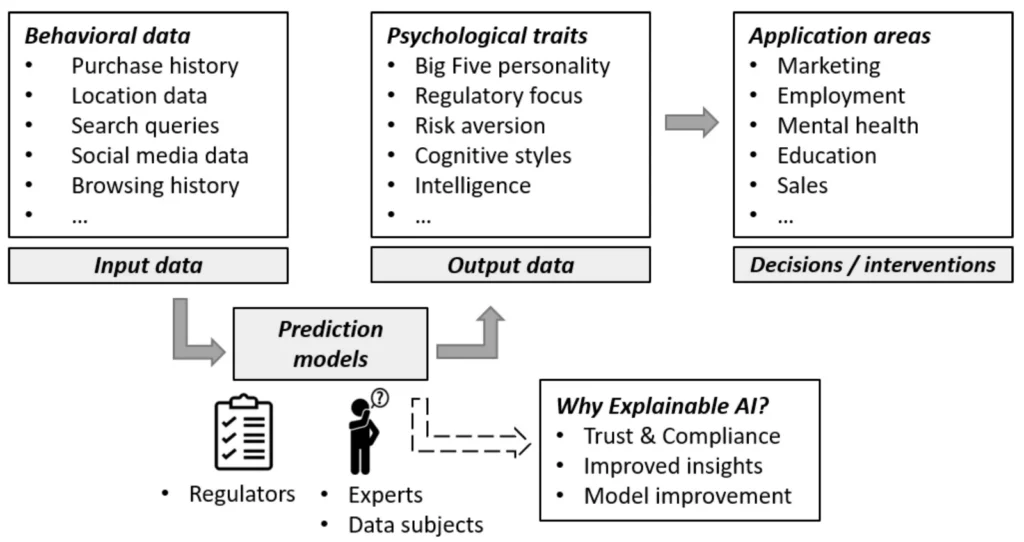 AI & MarketingPredictive AI in Marketing: Goldmine or Ethical Minefield?Predictive AI is revolutionizing marketing personalization. Discover how to maximize ROI in dynamic creative and micro-segmentation while navigating ethical boundaries and regulations.Čvc 29, 2026
Where is your marketing burning money?
AI audit and implementation for business owners. From diagnosis to deployment.
Get an audit