AI and the Human Factor in Marketing: Who’s in Charge and What Skills We Need in 2026
Photo: Ai marketing lab · CC BY 4.0 · source
In 2026, Artificial Intelligence has firmly established itself at the heart of marketing strategies. It’s no longer just an experimental tool but a fundamental pillar for personalization, automation, and data analysis. Businesses across industries are integrating AI into customer service, software development, marketing, operations, and decision-making. Despite 75% of marketing departments planning to integrate AI in the coming years, one critical challenge hinders full adoption: a talent shortage.
ManpowerGroup's 2026 Talent Shortage Survey, encompassing 39,000 employers across 41 countries, found that 72% of companies report difficulty filling roles, with AI skills ranking as the single hardest capability to hire for globally for the first time, surpassing traditional engineering and IT. Furthermore, IDC projects that over 90% of enterprises will face critical AI skills shortages by 2026, representing an estimated $5.5 trillion in unrealized productivity. This shift demands that we reflect on who truly leads in this new ecosystem and what skills we need to stay ahead.
The End of 'Manual' Roles and the Rise of Strategic Thinking
AI automates many repetitive and data-intensive tasks, but humans retain creativity, strategy, brand voice, and emotional intelligence. These 'soft' skills, such as flexibility and comfort with ambiguity, go hand-in-hand with rapidly learning and adapting to new technologies.
Marketing roles are transforming. New positions like AI Marketing Specialist, Marketing Automation Lead, Data-Driven Content Strategist, or AI Ethics/QA Analyst are becoming more common. Companies like Toast and Stripe are actively seeking roles such as 'GTM Engineer, Marketing Operations AI Innovation,' which combine technical skills with a deep understanding of marketing processes. These 'GTM Engineers' build AI agents and automations, integrate AI APIs, and train marketers. Moreover, these strategic roles offer a 34–42% higher salary premium.
Conversely, roles focused on tactical execution, such as campaign coordinators or basic content creators, face a high risk of automation. According to Anthropic's research, up to 65% of marketing tasks are susceptible to automation. However, this doesn't signal the end of marketing but rather a shift towards higher value-add, where marketers become strategic orchestrators combining human creativity with machine intelligence.
Human Judgment and Ethics: Independent Pillars
One of the key areas where AI still falls short, and the human factor remains irreplaceable, is ethics and judgment. AI systems lack the nuanced understanding and ethical discernment inherent in humans. Human oversight is crucial for ensuring ethical compliance, maintaining creativity and empathy in content, and addressing unforeseen issues or ethical dilemmas that AI may not anticipate.
A concrete situation: Imagine an AI model proposing a hyper-personalized advertising campaign that relies on highly sensitive data and has the potential to manipulate user behavior. Without human ethical judgment, such a campaign could lead to brand reputation damage, legal issues (e.g., GDPR), and a loss of customer trust. As marketers, we must be able to recognize when AI approaches the line of manipulation or privacy infringement and intervene. This is the human moment when we are not satisfied with 'it works,' but ask 'is it right?'
A Framework for Marketer AI Skill Development
To remain competitive, upskilling is essential. Surveys show that 81% of marketers are already upskilling in AI, and 68% consider learning AI technologies crucial for their career growth. Here’s a framework of key skills you should develop:
| Skill Category | Description and Practical Application | Why It's Critical in 2026 | |---|---|---| | AI Literacy | Understanding how AI systems work, where they add value, and where they fall short. The ability to effectively 'prompt' generative AI and critically evaluate its outputs. | AI is a fundamental tool. Blind trust in automation without understanding its logic leads to flawed results and ethical risks. | | Data Analysis and Interpretation | The ability to interpret large volumes of data generated by AI tools, identify patterns, correlations, and causalities. Translating data into meaningful marketing strategies. | AI generates data, but humans must understand it and make informed decisions based on it. | | Strategic Thinking | The ability to define marketing objectives, design comprehensive strategies, and integrate AI tools into the overall marketing mix. Thinking of AI as a strategic amplifier, not a replacement. | AI optimizes tactics, but strategy must be defined by humans. | | Ethical Reasoning and Governance | The ability to recognize and address ethical dilemmas associated with AI (e.g., algorithmic bias, data privacy, manipulation). Creating internal policies for responsible AI use. | Protecting brand reputation and compliance with regulations (GDPR, EU AI Act) is crucial. | | Creativity and Emotional Intelligence | The ability to create original campaigns, tell stories that resonate with the audience, and build strong emotional connections with the brand. Understanding customer psychology. | AI can generate content, but true creativity and empathy are human contributions. | | Project Management of AI Implementations | The ability to manage AI tool deployment projects, coordinate teams (technical and marketing), and measure the ROI of AI investments. | Effective AI implementation requires project management skills and the ability to bridge gaps between IT and marketing. |
What You Risk If You Ignore AI
Ignoring AI in marketing isn't just about falling behind competitors. Companies that fail to adapt face real risks. In 2026, the average enterprise faces a 40% skills gap by 2027, and 63% of employers view skill shortages as the top barrier to transformation. This means slower growth, ineffective campaigns, and a loss of market share. Moreover, if you don't actively develop your teams, you risk losing talented individuals who will seek opportunities elsewhere where AI skills are supported.
I see the greatest risk in the impact on junior positions. While AI can take over basic marketing tasks, the reduction in junior marketers, reported by one in three marketers, creates a 'missing generation'. Experienced marketers gained their judgment and instinct precisely in these lower-level roles. If this developmental pipeline dries up, we will face a shortage of seasoned senior practitioners in the future.
How one-o-one.cz Helps with the Human Factor in AI Marketing
When general guides are no longer sufficient, and you need to strategically integrate AI into your marketing processes, it's time to bring in an experienced partner. At one-o-one.cz, we repeatedly encounter clients who have access to AI tools but lack a clear strategy on how to use them effectively and how to develop their teams. We help companies audit current marketing skills, propose upskilling programs, and implement robust AI solutions (see our one-AI-agent project) designed with human oversight and ethical standards in mind. Our value lies in judgment—in when to deploy AI, how to manage it, and how to ensure it serves your business goals, not the other way around.
What's Next?
Start with an internal audit of AI skills within your team. Identify key gaps and create a plan for systematic development. Consider whether your current processes allow for effective human-AI collaboration and if roles for ethical oversight are clearly defined. And most importantly, remember that AI is a tool—and like any tool, its value lies in how it is used by humans.
---
Marek Toman Co-founder and Creative Director one-o-one.cz
FAQ
Q: Will AI completely replace marketers? A: No, while AI automates many repetitive tasks, humans retain key roles in creativity, strategy, brand building, and emotional intelligence. The future lies in effective human-AI collaboration, where marketers become 'strategic orchestrators'.
Q: What are the biggest ethical challenges of AI in marketing? A: Key ethical challenges include data privacy protection, algorithmic bias, transparency in AI use, and potential consumer manipulation. Human oversight and ethical reasoning are essential for responsible AI deployment.
Q: Which AI skills are most important for marketers? A: Critical skills include AI literacy (including prompt engineering), data analysis and interpretation, strategic thinking, ethical reasoning, creativity and emotional intelligence, and project management of AI implementations.
Q: Why is it important to invest in AI skill upskilling right now? A: The AI talent shortage is the biggest global challenge in 2026. Companies that don't invest in upskilling risk unrealized productivity, falling behind competitors, and talent retention issues. 80% of the workforce will need reskilling or upskilling in AI by 2027.
Sources & references (6)
- https://vertexaisearch.cloud.google.com/grounding-api-redirect/AUZIYQEVK3AvWLZ_nlUTmxRB-9RLNucrP2hMa72Zmym2bOzNNdB2DFimmSK-_oh7h7zVzVt6brk1TcqsMiRyfwVSFUlmAZyVo90xvd-7RE1V-uMB9frKUNUHvqe5WcM9jCHayTNwTCSMqHGbrZgK-o5xSv-QoEyUPlkfH8326eXJufhFHEayVnyfy1nVL1eBsRqBB11pSIyhiQWwaGuOVidJ
- https://vertexaisearch.cloud.google.com/grounding-api-redirect/AUZIYQGKomOt-HxnppA0kdbNhIAaHSstsv1xs_0OwdsU0J0kZIKm8uJNtLsLJVeH7fppLj6E42rOa8yTqkLLX8LnEqUUjcm5LztHHfox1Lchd6jFrWdCZRuv1LYE2rS78-3MroFOA_5mIkcobf1L8cbuLD7LfLcnUCbmXLTVvyJecEAt5zQaOauOjmA1WAUr5MY-t60=
- https://vertexaisearch.cloud.google.com/grounding-api-redirect/AUZIYQH97f6_7DWCTvOGz1NCSZuNQy-FbwI1JKOXkZgcaBBG5WUK28jZkaHv0WbHek3dT_clOXtgt39_2Jn1PQwCe7YloFlEB6s8NJf-tTlMVuHaGD6JFA7kVUXeVm3FIuPlEjsrZsRxM0vpFU9UeqBbkAZFWg==
- https://vertexaisearch.cloud.google.com/grounding-api-redirect/AUZIYQHeFGoOYq6-SjOLsoO4b6mj0M3yVvzOdJqM30XLrCxor7SO8cK-oVcWu5LSTPEDyn6uyG18UOgdjkJuQjP2pS2-FAOnN5ul6eAcpJZWYWf0LRbKCvn3epeY7wsGiGzoCNOPeUJmVz5hZZspAOC5AtCDOZxKwMG1yQ==
- https://vertexaisearch.cloud.google.com/grounding-api-redirect/AUZIYQEmQ-nEuUlUTly9QUX2TpUt2rdIO3JSx4_s60ax0IxW_Zw9FVBI6lZQ6LoW-3JngCoRqTOnG4gnCq4jaYqzb6uIQbFZAm8m2Q5hqd_AODC46Py4Vl_oxTRmphL1K5I2lmPepPEqSx-36JpcVRunV7-M6Lhk-5rgRMnNsFPUSxJJddy0uXsJuvv5Jh7JlTdLqw==
- https://vertexaisearch.cloud.google.com/grounding-api-redirect/AUZIYQFqKkU0DyjLzWfIoumIzdBtUJNjzIes4kd3QDmMYD9QCBibmKJqjvx52sHwiS7AZFgZrbV61_rGF00Vz1_KOFzpEJGEUvQ_VnMQgebMgsCIfaYI4wjus2k1BxxZ99H4KM69qHn98qyjzVxQ44Bwad8LC5eckzWKJQQrMYfSp82BwoC9mg==
You might also like
 AI & MarketingThe EU AI Act's Two-Clock Problem: What Applies from August 2, 2026Navigate the EU AI Act's staggered deadlines. Understand what applies from August 2, 2026, and how to avoid penalties for GPAI and transparency obligations.Čvc 30, 2026
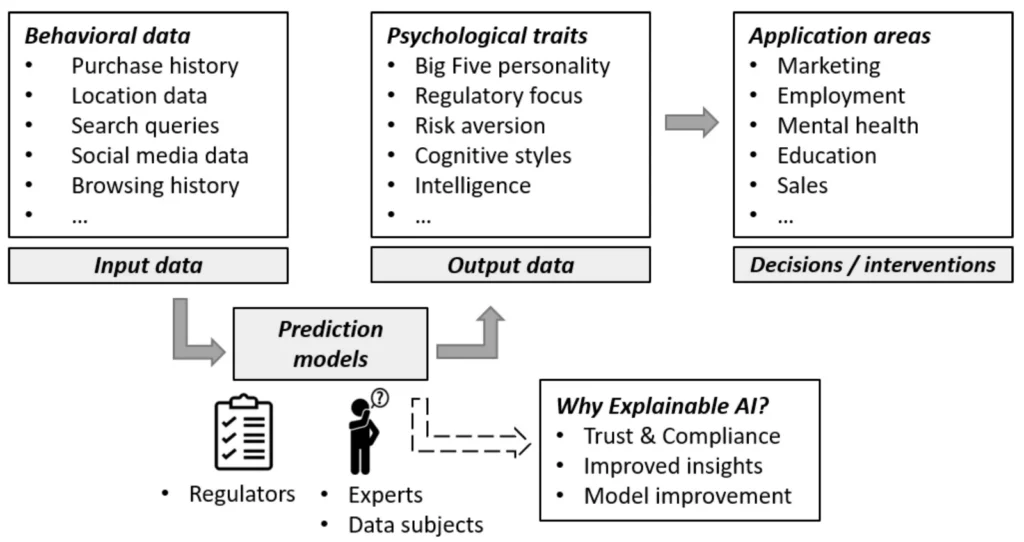 AI & MarketingPredictive AI in Marketing: Goldmine or Ethical Minefield?Predictive AI is revolutionizing marketing personalization. Discover how to maximize ROI in dynamic creative and micro-segmentation while navigating ethical boundaries and regulations.Čvc 29, 2026
 AI & MarketingGoogle Campaign Pilot: How to Truly Achieve 30% ROI, Not Just PromisesGoogle launched Campaign Pilot promising 30% ROI boost. Discover why many businesses fail and how to ensure your AI agent delivers real results, from data to strategy.Čvc 29, 2026
Where is your marketing burning money?
AI audit and implementation for business owners. From diagnosis to deployment.
Get an audit