AI Content Quality and Brand Safety: What Mandatory Labeling Means for Marketing
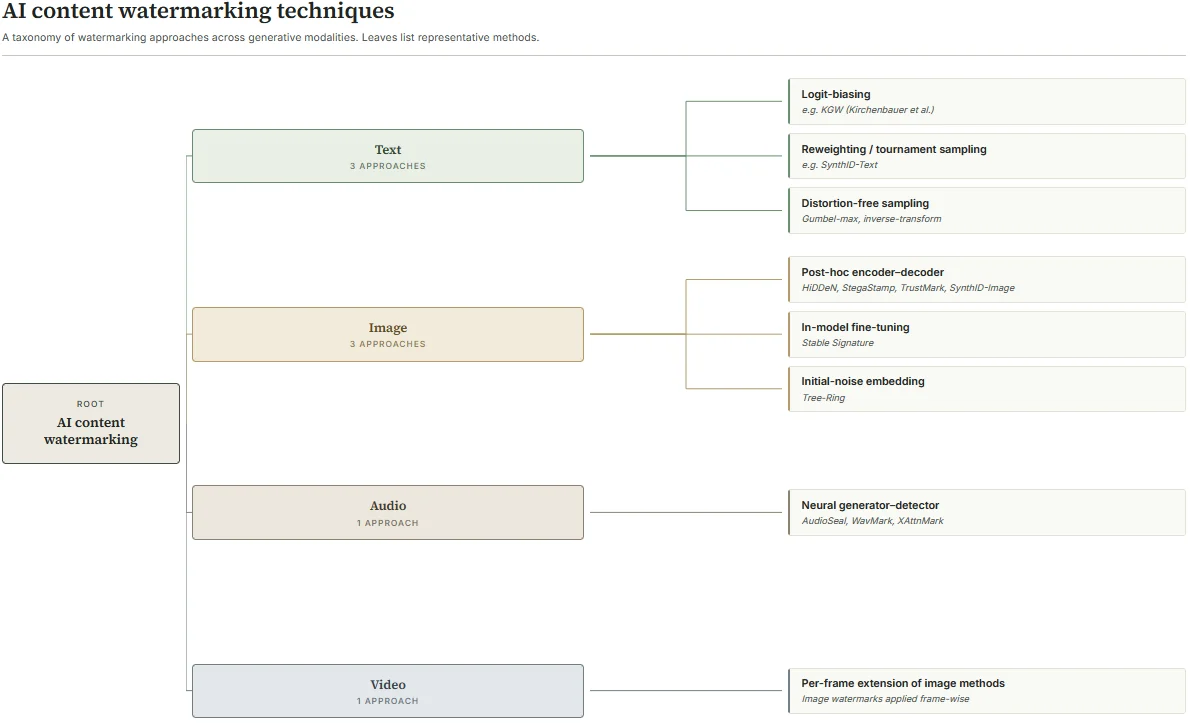
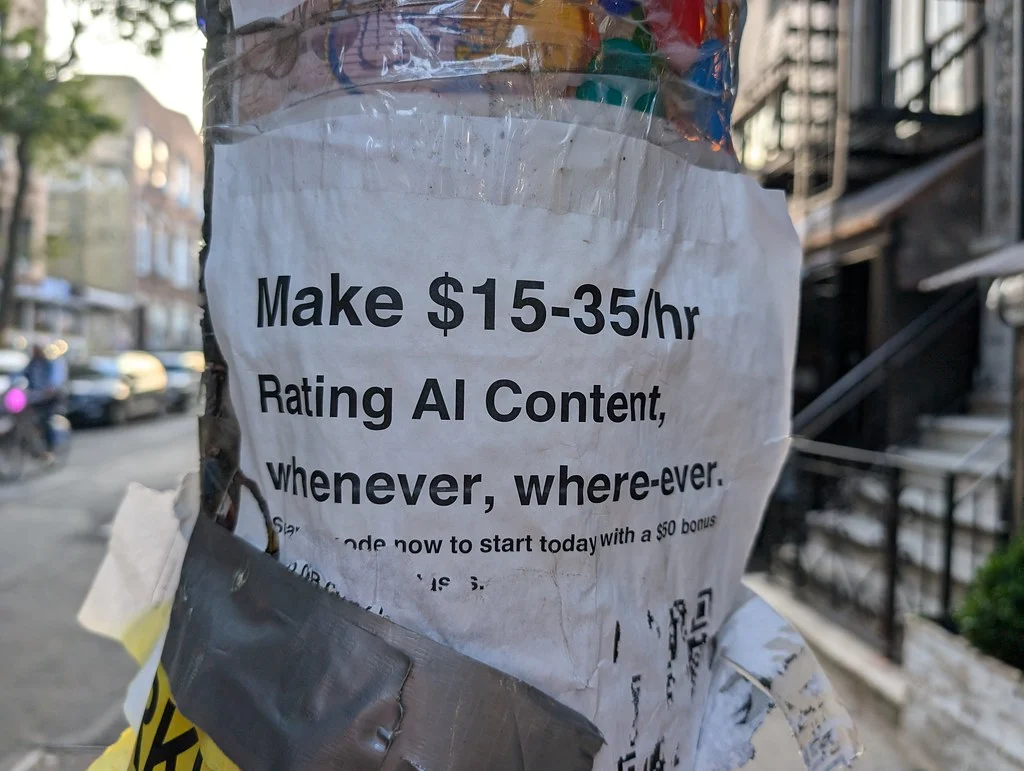
Photo: Global Donald · CC0 · source
As of August 2, 2026, the transparency obligations under the EU AI Act have come into full force, fundamentally changing the rules for anyone in the European Union creating or publishing content with the help of artificial intelligence. This means that companies must now clearly and visibly label AI-generated or AI-modified materials that could mislead the public about their authenticity.
Why AI Content Labeling Matters
The goal of the new rules is to protect consumers from misinformation and manipulation, while building trust in the digital ecosystem. A 2026 survey shows that only 13% of consumers fully trust AI, and 62% of Americans stated they trust AI to provide honest and reliable information. Furthermore, 50% of U.S. consumers would prefer to do business with brands that do not use generative AI in customer-facing messages, ads, or content. This underscores that transparency is not just a legal obligation, but a critical factor for maintaining and building brand trust.
What Exactly Needs to Be Labeled?
The regulation focuses on content that could appear authentic but was artificially created or significantly altered. Specifically, this includes:
- Photorealistic images, videos, and audio recordings (deepfakes): Any medium that realistically depicts people, objects, places, or events. If your marketing department generates a photorealistic advertisement featuring a model in the latest collection, it must be labeled.
- AI chatbots and interactive systems: Any system that directly interacts with a user must clearly state at the beginning of the interaction that it is an AI.
- Texts on matters of public interest: AI-generated texts that inform the public about political, legal, health, safety, or other publicly important topics must be labeled unless they have undergone human editorial review and responsibility.
Exceptions: Labeling does not apply to personal content, or artistic, satirical, or fictional works that are clearly artificial. Texts that have undergone human review and editorial responsibility are also exempt from labeling.
Consequences of Non-Compliance and How to Prepare
Penalties for non-compliance with transparency obligations are substantial. They can reach up to €15 million or 3% of the company's total annual turnover (whichever is higher). For more serious violations, such as prohibited AI practices, penalties can escalate to €35 million or 7% of total annual turnover.
In addition to visible labeling, the AI Act also requires technical marking of content, for example, using metadata or digital watermarks that remain intact even when shared. The deadline for implementing this machine-readable marking for existing systems is extended until December 2, 2026.
What you should do right now:
- AI Tool Audit: Map all AI tools used within your company and by subcontractors for content creation.
- Define Internal Processes: Create clear guidelines for content approval, review, and publication. Who is responsible for fact-checking and editorial adjustments?
- Employee Training: Ensure that everyone working with AI content understands the new rules and knows when and how to label.
- Human Oversight: While AI can generate 42% more content monthly, 73% of marketers combine AI with human writing, yielding the best results. Human oversight is crucial for quality, accuracy, and brand consistency.
The Human Factor and Building Trust
My experience shows that the biggest mistake is relying on AI without adequate human oversight. I've seen brands that tried to scale content production without clear rules and human checks quickly encounter problems with quality and credibility. Conversely, companies like BILL, which implemented robust governance frameworks and accuracy standards when expanding AI in their content workflows, prevented inconsistencies and protected their brand.
According to a 2026 WordPress VIP survey, 85% of enterprise leaders state that AI content published without human review erodes brand trust. This is why 'human in the loop' should become an architectural requirement, not just a marketing slogan. A human editor who fact-checks, verifies tone and style, and takes editorial responsibility is indispensable for successful AI deployment in marketing.
The Future of Marketing with AI: Strategy and Oversight
AI content has become an integral part of marketing strategies; in 2026, an estimated 38% of all web content published by businesses involves AI assistance. The market for AI content creation tools is projected to reach $4.26 billion in 2026. However, this growth also carries risks if AI is not managed responsibly. AI content detection tools, such as GPTZero and Sapling, are becoming standard in workflows and achieve 89% accuracy on fully AI-generated unedited content.
Successful brands in 2026 are not those using the newest AI models, but those that have built the right system around them. These systems include structured source materials, clear brand voice guidelines, human review, and clear business outcomes. If AI content is handled without this governed workflow, it doesn't reduce work; it merely shifts problems 'downstream'.
What Does Inaction Risk?
If you ignore the new obligations and fail to invest in robust AI content governance processes, you risk not only substantial fines but, more importantly, the loss of consumer trust and damage to your brand's reputation. In an era where 39% of consumers say a brand's heavy AI use reduces their trust (reaching 54% among Gen Z), trust becomes the most valuable currency. A brand that is not transparent about the origin of its content will be perceived as less trustworthy and will ultimately lose its competitive edge.
Business Bridge
Navigating the complexities of implementing comprehensive AI strategies and ensuring compliance with new regulations can be challenging. one-o-one.cz helps companies build effective and ethical AI marketing workflows that adhere to legal requirements while strengthening brand trust. From auditing existing processes to implementing AI content governance tools and training teams, we can ensure your AI strategy is sustainable and delivers tangible results. [internal link: https://one-o-one.cz/one-ai-agent]
A Reasonable Next Step
Start with an internal audit of your current content creation processes to identify where AI is being used and whether your content complies with the new labeling rules. Create a simple checklist for reviewing AI content before publication, including fact-checking, brand tone verification, and mandatory labeling. Subsequently, plan training for your team to mitigate risks and harness the full potential of AI responsibly.
FAQ
Q: Do AI content labeling requirements apply to older materials? A: Generally, no. Content created and published before August 2, 2026, does not need to be retroactively labeled. However, if older material is significantly modified, republished, or used in a new marketing campaign, it is advisable to reassess and potentially label it.
Q: Do I need to label every text processed by a tool like ChatGPT? A: No, not every text. If AI assisted with a first draft, research, or brainstorming, but the text subsequently underwent thorough human review and editorial responsibility, labeling is not mandatory. The obligation primarily applies to texts on matters of public interest that have not undergone human review, and content that could mislead about its authenticity.
Q: What is the difference between visible and machine-readable labeling? A: Visible labeling is a clear textual or graphical indicator for human users (e.g., 'AI-Generated Content'). Machine-readable labeling involves technical methods, such as digital watermarks or metadata, embedded within the file, allowing for automatic detection of AI origin. Both forms of labeling are required, although the deadline for machine-readable marking for existing systems is extended until December 2026.
Sources & references (6)
- https://vertexaisearch.cloud.google.com/grounding-api-redirect/AUZIYQFutC1YzTm9OaE_KLocJpI_VxfThpy04szmLaeQ9cghx5JQA5uXr_U5mpBzAz516dEjCiDjQmPBaFVfZ4zDu4kToIKENjHVPaLaiaZK_1VDjvRhuJDcSqwkTmkfoENbw_NRHb2EOew5nDV1LNWru_faqqMk
- https://vertexaisearch.cloud.google.com/grounding-api-redirect/AUZIYQFI6ZdDbvJ471WnIgzvtwyobCHm06J7F_ede_grAuYYmuJUrjqquYsaNKAoOS6TbAQoo745UNCwY4ls2K_nH7hyNcK_TkAyT0MywwOhNP_EYrfApyjHtm8ZhK-xX7IaOWJ5Jg0WsoS4qoO-9QEX6PuBw-lgjz5r6DsU475Bwm5gCH2lghQ=
- https://vertexaisearch.cloud.google.com/grounding-api-redirect/AUZIYQGc0xknJMpLGYDxbbWBIFw3VYZNLHUu56mLLCjNqWZN84EpoyivPjCXW3N9WiT3KWPVeyi4apJm6HGN8686alyeR_mHe2WnJejSgQ6AWFZAmPUj5YR4Os14cj3vHGLyVJZX-mhbzD-hOlN0DArcnlxAwKfpxnx4wxM=
- https://vertexaisearch.cloud.google.com/grounding-api-redirect/AUZIYQEDespWgt0U17OVGRTRfbL-by_PF84Beq02xsG8t4UQDryWj9up6hkgchZtYqwOq6QDCBKfOkYCJjV5tADnfC3fvQ5X2V-mgceEcOqo7zYSN1Tw3KhiVxBt8dF3_herqASxJ2vO8WrPhz0fJl81nuu5RXbEhbYEWwHmU8ZRIgffQivCBi_DqjrERvsuA4J-1_4r_a5TzMZkV5gQLVVHmygc2R8OVO7-XfcuZhl6i7LU1A==
- https://vertexaisearch.cloud.google.com/grounding-api-redirect/AUZIYQGCpoUfkf6SsS5Tpkifbmi65CmlK68AhM3RERsdGF2z0cGaZaV3o1Ia2XHcPElbYBoQRG7egO_8f-hQ0-USoBgzmsZv4AHKyLEn6i_wGDUjBIVvvfFBAJVRGD2ucbuxWVTekJSkKlKTMt_5OVYgoWby2AW11g==
- https://vertexaisearch.cloud.google.com/grounding-api-redirect/AUZIYQHHhkw7TCgajtfjMDyP7AEhAnRO7vsZTMT7jcso8SAPax6wiB9Ry5CQQ_nBcqN44x3ikq4VBTEL5md8aJfDq7c1KvurH4zDh87lT_NEXVelZet8HFdiIUn7QSEmbDVZtlUczmpWIlgiemYJ3oiUkyop84JSWDP50V7warw==
You might also like
 AI & MarketingOrchestrating Specialized AI Agents in Marketing: A New Model for Efficiency and PersonalizationDiscover how orchestrating specialized AI agents is transforming marketing. From defining roles to ethical considerations – a guide for maximum efficiency and personalization.Srp 4, 2026
 AI & MarketingAutonomous AI Agents and Marketing Decisions: Where Does Human End and Code Begin?Autonomous AI agents are taking over marketing decisions. How to maintain control, ensure ethics, and maximize performance in 2026? Practical guide and criteria.Srp 3, 2026
 AI & MarketingAI Act in Practice: Labeling AI Content and Chatbots Becomes Mandatory TodayAs of August 2, 2026, the EU AI Act's transparency rules are enforced. Learn how to label AI-generated content and disclose chatbots to avoid fines and build trust.Srp 2, 2026
Where is your marketing burning money?
AI audit and implementation for business owners. From diagnosis to deployment.
Get an audit