The End of Scalpers? New Laws Reshape Concert Ticketing

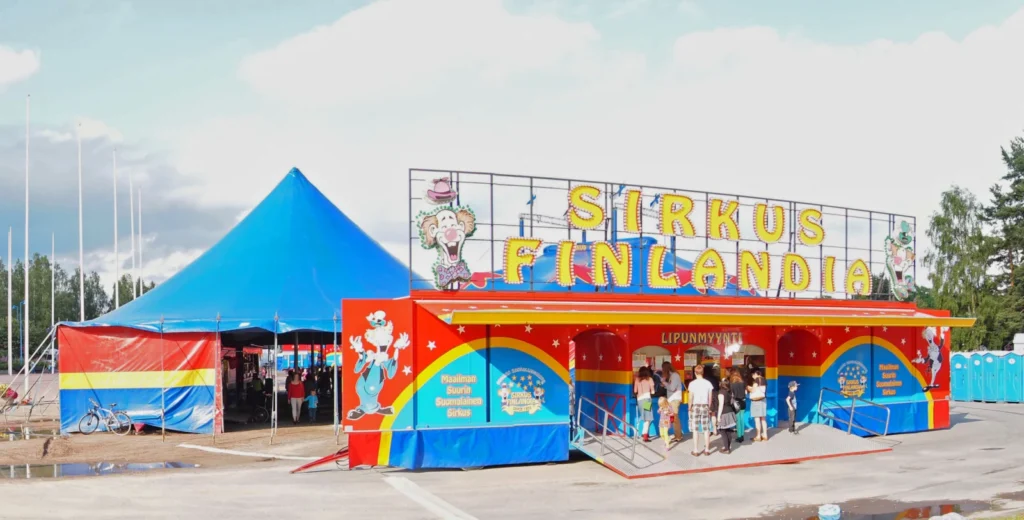
Photo: LardoBalsamico · CC BY-SA 3.0 · source
Massachusetts Governor Maura Healey announced on July 17, 2026, that a new bill, "The Great Divide Act," will be included in the state's supplemental budget. This legislative move, named after musician Noah Kahan's album, aims to fundamentally change the rules for selling tickets to concerts and events. This is not an isolated case—similar initiatives are underway at the federal level in the U.S. (the US TICKET Act), in other states like Maine and Vermont, and even in the UK.
Why Is Ticketing Regulation So Crucial?
Buying tickets for popular concerts has become a nightmare in recent years. The frustration of sold-out events within minutes, followed by tickets reappearing at several times their original price on secondary markets, is commonplace. This problem is primarily driven by speculative sales and the massive deployment of bots that snatch up large volumes of tickets to resell them for a significant profit. This system harms both fans and artists who want their music to reach the widest possible audience at accessible prices.
What Do "The Great Divide Act" and Similar Laws Bring?
"The Great Divide Act" in Massachusetts introduces several key changes designed to disrupt the existing scalping model and increase transparency:
- All-in Pricing from First Click: All mandatory fees must be included in the displayed price from the very first listing, not just at checkout. This eliminates "drip pricing," where the cost incrementally increases with hidden fees.
- Ban on Speculative Ticketing: Resellers will no longer be allowed to offer tickets they do not yet possess. This practice artificially inflates supply on secondary markets and misleads fans into believing tickets are sold out.
- Resale Price Caps: The new law caps resale prices at a maximum of 110% of the original face value and limits reseller fees to no more than 10% of the total price.
- Prohibition of Deceptive Websites: The measures also target fraudulent websites that impersonate official vendors.
These requirements are not just legal guidelines but are becoming technical demands on ticketing systems themselves. Older platforms, designed for a different internet era, struggle to implement these real-time changes without impacting performance and stability.
Impact on Independent Promoters and Artists
For independent venues and smaller promoters, who often fight for survival and strive to keep ticket prices affordable, these reforms offer hope. Banning speculative sales and capping reseller markups should redirect sales back to primary vendors and directly to venues, helping them regain control over their product and pricing strategy. Artists have long complained about how the secondary market devalues their work and prevents fans from accessing live music. For instance, in California, similar bills passed by the assembly aim to ensure that artists and venues set the price for their product, not scalpers who contribute nothing to the production of the show itself.
The Future of Ticketing: More Than Just Regulation
The current wave of regulations is not just about prohibiting unfair practices. It signals that the entire live culture ecosystem is striving to adapt to digital reality while protecting core values—accessibility and fairness. We are seeing an increasing emphasis on innovation in event technologies that should help with transparency and security. Success is no longer measured solely by attendance but also by engagement quality, sponsor value, and conversion potential.
Regulation is just one piece of the puzzle. Real change will come with technologies that allow greater control and transparency at the foundational level. I expect to see even greater pressure on platforms in the future to integrate solutions that minimize opportunities for speculation and fraud, while also offering new, innovative ways for fans to get tickets directly from the source.
Our projects at one-o-one.cz strive to understand these trends and implement them into solutions for the event industry. Whether it's effective marketing strategies or using AI for better audience understanding, it's always crucial to ensure that technology serves people and promotes fairness and accessibility in culture. [Internal link to onemanager.art - our solutions for the event industry: https://one-o-one.cz/onemanager-art/]
In Short
New legislative initiatives in the U.S. and the UK, such as 'The Great Divide Act' in Massachusetts, are fundamentally changing the rules for ticket sales. Key elements include price transparency, a ban on speculative sales, and limits on reseller markups. The goal is to protect fans from excessively high prices and fraud, positively impacting independent promoters and artists by returning control over their pricing policies. These changes drive technological innovation in ticketing and aim for a fairer and more accessible cultural industry.
FAQ
What is 'The Great Divide Act'?
It is a new law passed in Massachusetts on July 17, 2026, regulating event ticket sales. It bans speculative sales, caps reseller markups at 10% of the original price, and mandates transparent display of the final price, including all fees, from the first listing.
What is the main goal of these new laws?
The main goal is to protect fans from predatory practices like artificially inflated prices and fraudulent offers on secondary markets. They also aim to return control over ticket pricing and distribution back to artists and event organizers.
Will this affect dynamic ticket pricing set by artists?
No, the proposed caps apply only to secondary resale, not the primary market. Venues and artists retain full control over their primary ticket pricing strategies, including variable and dynamic pricing.
How do these laws differ from previous attempts at regulation?
These new laws are characterized by more detailed technical requirements for ticketing platforms, which must ensure real-time price transparency and verify ticket ownership. Earlier efforts were often more political directives, whereas now it's about concrete 'engineering' constraints.
Sources & references (5)
- https://vertexaisearch.cloud.google.com/grounding-api-redirect/AUZIYQGP-oFW4pc36eL-_PEYI395kl65pnNP7Y5WxLb4D5sozESCqUS3QZbIl4DentHuEAcI0si1xHnKaGeMCfmDXsCJiUAhpYeVTBxhrdkl7GGmmRSeVMtM1NuMivZq9X_wbf7gQ_BhDcMUD5Ki0cMjNUYnpnfss4MPJSyFaNbD6ahxns29_HQVNcrnvbDOlS8oCASVcOmnGmn13IN6I8YWK0fL1eccfIcLsg==
- https://vertexaisearch.cloud.google.com/grounding-api-redirect/AUZIYQFRXPC3VRBKcGMSPheszx50kKbx37Ha1bJowB-SxDduG5rEKbMCrebNtBozgcnW5qds3oYg23jrdg419fbSlRxPhECtZ69_w05L9e3zdJC2WpF32nxdhxaJpxJiftAqO3CF059VT9Sm3QlQkCofdSmvEng0NAx-GISAN5ohte7fAv31wUn-h1TPk-wPvg==
- https://vertexaisearch.cloud.google.com/grounding-api-redirect/AUZIYQFn38uwSEoKjl8TQK8FQin9fHTqLAG3N5K0xgY6cpFGMsRrnEumE6FVyU9jzY6zY6VHOxrWlxoLsR8jgwA4aWFn041j5hJagIes95F5phi--hzYhcYZxpz-eEmzgvL_OhkGxhR_vXjzBj2sSEMRpGYrVEAAmm_SyA==
- https://vertexaisearch.cloud.google.com/grounding-api-redirect/AUZIYQEoDx7F7JVbsk9rBEq95G4CyzgsuFCWChA1d-XNeu9yEubVOAGOgzTXC5mxl5nJ2Z4q6a03r6Q_xFYt-zz7mqYp2pmyJuju4f0D1E82nVp2kqgreqztpob7mfBF6kp5Mj4tFMy8QJCptHV45zqqBzXpTuvSCbhAyIfHI3sGAiaOnimCh4MYjXWpUqmEsWbcpw==
- https://vertexaisearch.cloud.google.com/grounding-api-redirect/AUZIYQFeRSr1546lbx_M4IXa7M4xSrrCzksXSrlw915NqBnncoNxE-ruejuTPUsi4FH_kwjB_BvoFTJ9hxvk-NlSBMLA3ME5fe2P5D8Nsof9hDhGhiw_1pUcAJLZWigPCrfPar_IjYBI1ddhbKQf0uZ3GbMCDQIW_qoxyzDn9JxrfoRMqP5q_nOX558QtYF5JveMilfY4k3BqUrn_-JBYgVzWPkqJ6c9AgIKKqVQBS_ZT8cviTGneGTZbpoXDsM7ILUStYSLigsDJqy5SRn6VUtCbOY=
You might also like
 Live Culture & EventsEnd of Hidden Fees: EU Pushes for Ticket Sales TransparencyThe European Union is tightening regulations on ticket sales to eliminate hidden fees and unfair practices. What does this mean for event organizers and fans in 2026?Srp 1, 2026
 Live Culture & EventsTech for Greener Events: The Future of Festivals and ConcertsHow is technology transforming the event industry towards sustainability? Explore digital ticketing, renewable energy, and AI to reduce ecological footprints.Srp 1, 2026
 Live Culture & EventsBlockchain and AI Agents in Ticketing: End of the Black Market, or a New Era of Speculation?Blockchain and AI agents are transforming ticket sales. Explore whether they lead to a fairer market or just more sophisticated speculation and how to prepare.Čvc 30, 2026
Where is your marketing burning money?
AI audit and implementation for business owners. From diagnosis to deployment.
Get an audit