EU vs. Ticket Predators: What the Digital Fairness Act Will Bring
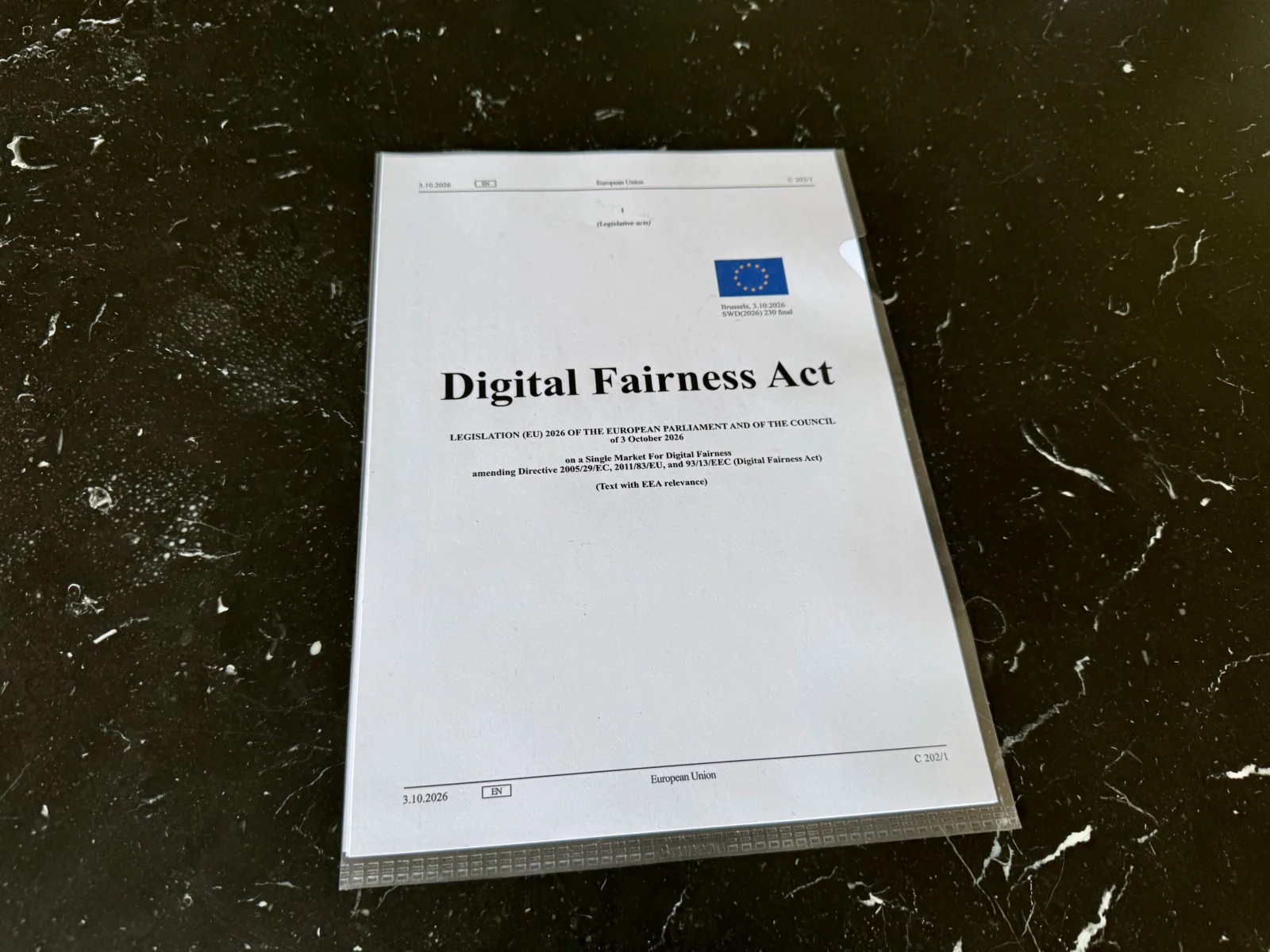
Photo: James Tamim · CC BY 4.0 · source
The debate surrounding fairness and transparency in live event ticket sales has reached a new peak in the European Union. With the approaching legislative proposal for the Digital Fairness Act, discussions have fully ignited on how to protect fans from opaque dynamic pricing and predatory reselling. While a blanket ban on dynamic pricing is not planned, the European Commission clearly signals that it demands much greater transparency.
The End of Opaque Dynamic Pricing?
Dynamic pricing, where ticket prices change in real-time based on demand, is common in sectors like aviation and hotels. However, in live culture, it often sparks strong reactions. Consumer organizations such as Euroconsumers, Live DMA, and Football Supporters Europe have repeatedly called on the European Commission to ban dynamic pricing for live events, arguing that the current system penalizes fans for their passion.
The scenario where a fan waits for hours in an online queue for tickets, only to find the price is several times higher than expected, is unfortunately common. I've personally experienced this when buying festival tickets, seeing a 15% price increase after refreshing the page. According to EU Commissioner Michael McGrath, such practices are 'unfair,' although he does not consider a blanket ban on dynamic pricing reasonable. Instead, the emphasis is on transparency. Organizers and vendors will need to clearly communicate what is included in the ticket price and what criteria influence its changes.
Fighting Predatory Reselling: €2.5 Billion Annually
A more serious problem is industrial ticket reselling, estimated at €2.5 billion annually in Europe. Thousands of consumers are defrauded each year when they buy tickets from unauthorized resellers, often at exorbitant prices, only to find they are fake, duplicated, or invalid.
Existing EU regulations, such as the Digital Services Act (DSA), which came into force in February 2024, already require online platforms to take responsibility for illegal content and transactions. They should ensure that illegal goods and services, including unauthorized ticket resale, are not sold on their platforms, and enforce transparent pricing. However, experience shows that enforcement of these rules is inadequate. The Face-value European Alliance for Ticketing (FEAT) reported nearly 1,000 illegally listed tickets in 2025 but saw virtually no takedowns.

Case Study: Extreme cases emerged during the 2026 FIFA World Cup, where premium final tickets reached prices of $32,970, while the inflation-adjusted average was around $1,300. The cheapest tickets rose from $540 to $4,185. This illustrates how quickly prices can spiral out of control without effective regulation.
What This Means for Organizers and Ticket Vendors
The upcoming Digital Fairness Act (legislative proposal expected in late 2026) is seen as a 'one-off opportunity' to address ticket resale abuse. While Commissioner McGrath is reluctant to ban dynamic pricing, he emphasizes the need to strengthen and clarify the law through the DFA to ensure greater information and fairness for consumers.
Checklist: How to Prepare for New Challenges in Ticket Sales
- Transparent Price Communication: Not only must you display the final price, but be prepared to explain the mechanisms of dynamic pricing if you use it. Inform about the criteria that trigger price changes (e.g., demand, sales phase).
- Enhanced Bot Protection: Actively implement technical measures to prevent automated programs from bulk-buying tickets for reselling purposes. The EU already prohibits the resale of tickets acquired using bots.
- Secondary Market Monitoring: Regularly monitor unauthorized platforms and cooperate with relevant authorities to remove illegal listings. Be prepared for effective enforcement of rules.
- Internal Audits and Legal Consultation: Review your sales practices for compliance with existing and upcoming regulations (such as the DSA and Digital Fairness Act). Consult with lawyers specializing in consumer law and the event industry.
- Fan Education and Support: Inform fans about the risks of purchasing from unauthorized sources and about your official sales channels and any safe resale options.
Consequence of Inaction and Business Bridge
Ignoring these trends and impending legislation can have serious consequences for organizers and vendors, from hefty fines (up to 10% of global turnover in the UK) to loss of fan trust and reputational damage. In an environment where consumers increasingly demand transparency and fairness, a proactive approach is crucial. If you are unsure how to effectively adapt your systems and business models to meet EU requirements while maximizing fan satisfaction, it's time to consult an experienced partner with insight into the latest trends and regulations in the event industry. Our projects at one-o-one.cz focus on digitalization and optimization of processes in culture, including consulting on ticketing strategies.
Conclusion and Next Step
The Digital Fairness Act will become another milestone in strengthening consumer rights in the digital environment. Although it will not bring a blanket ban on dynamic pricing, it will significantly increase demands for transparency and effective action against illegal ticket reselling. I recommend all organizers and ticket vendors conduct a thorough review of their current ticket sales processes, invest in technologies that prevent bots, and actively communicate with fans. Only then will you maintain their trust and ensure the sustainability of live culture. As a next step, consider an audit of your existing ticketing platforms and processes with regard to transparency and consumer protection.
FAQ
What is the Digital Fairness Act and when will it apply?
The Digital Fairness Act is a forthcoming EU regulation aimed at strengthening consumer rights in the digital environment, including transparency in online practices. The legislative proposal is expected in late 2026, with full implementation likely taking several years.
Will the Digital Fairness Act ban dynamic ticket pricing?
According to EU Commissioner Michael McGrath, the Digital Fairness Act will not impose a blanket ban on dynamic pricing, which is common in many sectors. Instead, it will focus on increasing transparency and providing better information to consumers about how prices are set and changed.
What is the current state of the fight against ticket reselling in the EU?
The existing Digital Services Act (DSA), in effect since February 2024, already requires online platforms to combat illegal reselling. However, consumer protection organizations report insufficient enforcement of these rules, with a minimal number of illegal listings being removed.
What are the risks for organizers who do not comply with the new rules?
Non-compliance with new rules can lead to substantial fines, for example, up to 10% of global turnover in the UK. Beyond financial penalties, there is also the risk of losing fan trust and reputational damage, which can have long-term negative impacts on business.
Sources & references (6)
- https://vertexaisearch.cloud.google.com/grounding-api-redirect/AUZIYQHYwgkWJC2o23bzrUOsgOk5FCoEv1yF635eHtBVtnu_UtDPkxUal3vl5MD2fDycB1DclRt5gh24y9hKRYY40ebiLVOgPl5QfVrBaT8LE3XLsk8vfgYGoww_QqxadgLSQpo3yoW3-5GdzwW9Ia3X8LmuEsue-LJNdO_OsheYrxXmhvGe6EeHWlB8mRarBZNV0Bg=
- https://vertexaisearch.cloud.google.com/grounding-api-redirect/AUZIYQHW_9rkdBmeCdnJrypqeSD8FGM7g9ZBtAyU_-mPjFBUcKQDvJrz3ZE70T71waeO77YWi7ilk21fKVVNxIqA56l-B67NemFStx-6MY70v7J0B6IKV8bjq_9VVjSy3lmqdhoBbHXFBxVZPdkpvacN-uyjfgVqEt8iSvFNnsQGEnlcBCy2cPGNdS4v531ZxA2HfgXeDRD69D5Iqu5JDYFthyaqWtZbnq4C7kzDDsGq2JJSrAg=
- https://vertexaisearch.cloud.google.com/grounding-api-redirect/AUZIYQEQl0VmiPgrdWSm5815z0fvFCv57iv1QAL5S4wXYyxTq2AlDzGSRYuJ3LtQQZ2IyKMcWozf7pWTJBTJcMMeuqf0soyRitAliPlii66_kGkojE0btOuLLB9Lsr4SUqfNIU6vUYLoBvw0igTf6hQxGnW3K5z7fqDWfJrDNw_ezxN_nJclP2UX1GFwIyqO8QwDVEaZwx0=
- https://vertexaisearch.cloud.google.com/grounding-api-redirect/AUZIYQE03RNci1EivthTkhyQmN9COhdFEtRmlzw2EnQTXYGj_ptruqzder5ksIkKjnJ8V6jDsyyKtQTE6z7MJ_43WX4GoZEuSZNGItWXvmJcDKY8asMjgFbxb9XjeFU9zR9b7CfOrBKG_LRT5-0r6ZbpModTSceSa4Cg40MTLx5qdIHv
- https://vertexaisearch.cloud.google.com/grounding-api-redirect/AUZIYQHGUTlrA4m0UF2mpRZpuG40RHPYNNr5XdvqJGIb04QHLbmBRvUEJPkYDuT9sfwKiy6pTnlVR3yJUpF0DNPfrkFclIDKr5-3fgGKvD9GP4iGAQo9FmtN8wr5V2ni6Fo1Y9jMRn9Nm5ZZwVe8-q8Z0QBQR3dtKrLK1Tfarpt_xzhXOJ5FO9TTVGVoBwwUm-nc4uBnYDkO9TvWPtRHuAzTF__V5V2swYKXfYwr_A==
- https://vertexaisearch.cloud.google.com/grounding-api-redirect/AUZIYQGvSBJ9TKcCFG2iHNjo5Mj9N9mp8J894SqZvuGwOEtKxnFxyKGG6Nb8txjTeyF4eUVTgIIGRog2C7D1vxD0Z2tQbYeZ9gjK4dxQmMZznVnwsKHIYxv7Pl0cUrzT6_-mh82X9GiR0VNVFP7ujhBHYN3ge9LoSeMaO_YJQ6X7wjM8SEPsg0bGgbIDg01ZsqisL7gAtr9hQxZCUJ7xB_z6zs-kr0eyKBR-CVKWzxFyrweyGo78ecE7Dsy-t3jQx88hBAUEjJcfOgU=
You might also like
 Live Culture & EventsSustainability in the Event Industry: Standards, Measurement, and Real ImpactDiscover how new international sustainability standards and carbon footprint measurement tools are transforming the event industry in 2026. A practical guide for organizers.Srp 3, 2026
 Live Culture & EventsToken-Gated Communities: A New Era of Engagement in Live CultureDiscover how token-gated communities are transforming fan engagement and monetization in the music and event industry. Explore benefits and risks.Srp 3, 2026
 Live Culture & EventsThe End of Passive Entertainment: How Multi-Sensory Experiences are Reshaping EventsDiscover how multi-sensory immersive experiences are transforming live culture and the event industry. Explore new business models, technologies, and challenges for organizers.Srp 2, 2026
Where is your marketing burning money?
AI audit and implementation for business owners. From diagnosis to deployment.
Get an audit