Multimodal AI in Advertising: Ushering in an Era of Dynamic Creative and Hyper-Personalization
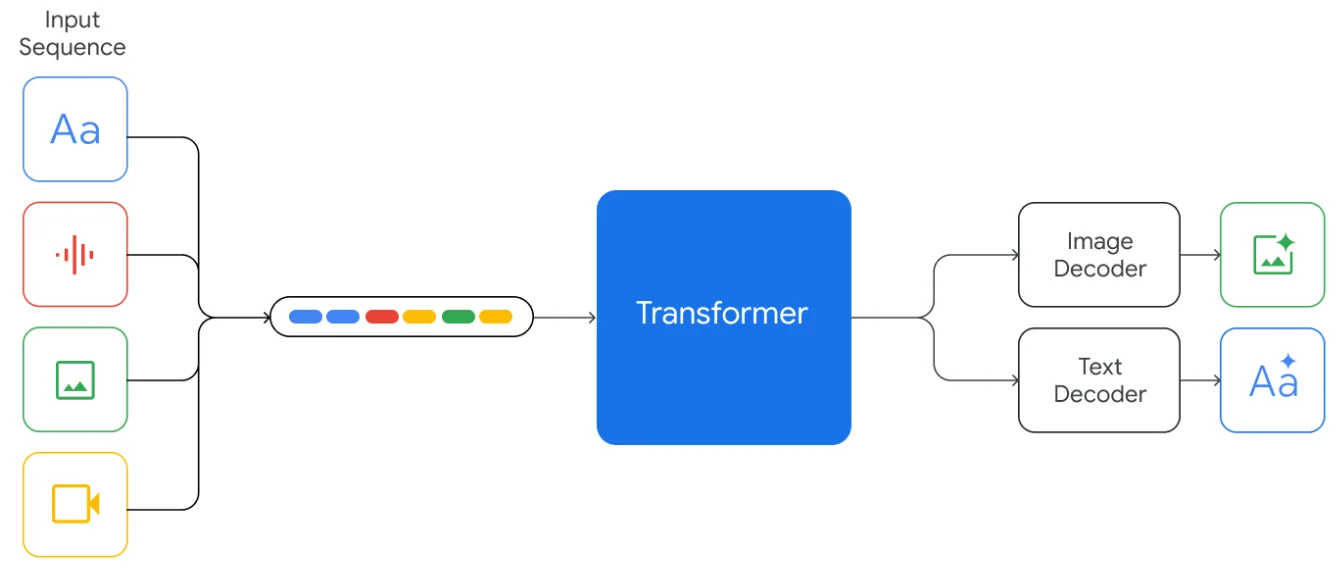
Photo: Authors of the preprint: Gemini Team Google: Rohan Anil, Sebastian Borgeaud, Yonghui Wu, Jean-Baptiste Alayrac, Jiahui Yu, Radu Soricut, et al. · CC BY 4.0 · source
Google recently introduced a new generation of multimodal AI that is fundamentally reshaping how advertising campaigns are created and optimized. This innovation, dubbed Gemini Creative AI, enables advertisers to generate complete ad creatives – from text and images to video content – in real-time, fully adapting them to user context and current performance. It marks a shift from traditional A/B testing to an unprecedented level of dynamic and hyper-personalized advertising at scale.
What is Multimodal AI in the Context of Advertising?
Traditional AI models often specialize in one type of data – be it text, images, or audio. Multimodal AI, however, is different. It can process and connect various types of information simultaneously. In advertising, this means the system understands not only the text of an ad message but also the visual content of images and videos, the tone of voice, and even the context in which the ad is displayed. This capability allows it to generate consistent and relevant creatives that effectively communicate a brand across all channels.
From A/B Tests to Hyper-Personalization
For many years, ad optimization relied on A/B tests, comparing a few creative variations. With the advent of multimodal AI, this process is dramatically accelerated and deepened. The system can analyze millions of data points in real-time – from user demographics and behavior, to weather, time of day, device type, and even the current sentiment on social media. Based on this information, it then generates unique, optimized creative for each individual. It's no longer just about which variant performs best, but about which variant is best for a specific user in a specific situation.
Real-World Impacts for Marketers
For marketers, this presents a tremendous opportunity.
- Increased Relevance and ROI: Ads are more precise and targeted, leading to higher click-through rates (CTR) and conversions. Every dollar invested in advertising thus potentially yields higher returns.
- Automation and Scalability: Manually creating thousands of ad variations is unthinkable. Multimodal AI automates the entire process of creative generation, testing, and optimization, freeing up marketing teams for strategic work.
- Brand Consistency: Despite massive personalization, AI can maintain a consistent brand voice, visual style, and message if properly configured. This is crucial for building long-term customer relationships.
- Speed of Reaction: Marketing campaigns can react to current events, trends, or changes in consumer behavior almost instantaneously.
Challenges and Ethical Questions
With new capabilities come new challenges.
- Data Ethics and Privacy: Such advanced personalization requires vast amounts of data. Ensuring user privacy and transparent data handling is absolutely paramount.
- AI Bias: If the AI's training data is biased, it can generate ads that reinforce stereotypes or discriminate against certain groups. Careful monitoring of outputs and active efforts to combat potential bias are essential.
- Maintaining Human Oversight: Even the most advanced AI needs human oversight. Creative directors and brand managers must define guardrails, approve key concepts, and ensure that AI does not cross boundaries of taste or corporate ethics.
- Brand Consistency vs. Hyper-Personalization: Finding the right balance between a unique message for everyone and maintaining a unified brand image is a new strategic challenge.
The Future of Advertising Creative
Multimodal AI is not just a tool for more effective advertising; it's a catalyst for changing the entire role of creative teams. Their work is shifting from manual creation of individual ads to defining broader strategic frameworks, brand guardrails, and overseeing the AI. The ability to effectively collaborate with AI and leverage it as an extension of human creativity will be crucial.
At one-o-one.cz, we are intensely focused on integrating these advanced AI technologies into our clients' marketing strategies. We believe that the ability to effectively deploy and manage AI agents for campaign automation and data analysis will be key to future success. Learn more about how we utilize AI agents on our one-AI-agent.cz project.
Conclusion
The era of multimodal AI in advertising is just beginning, bringing with it immense potential for streamlining and personalizing marketing campaigns. Companies that learn to leverage this technology strategically and ethically will gain a significant competitive advantage. The key will be not only technological implementation but also the adaptation of human teams and a clear definition of roles between human and machine. The future of advertising is dynamic, personalized, and incredibly intelligent.
FAQ
What is multimodal AI in advertising?
Multimodal AI in advertising is a system capable of simultaneously processing and generating various types of data, such as text, images, and video, to create comprehensive and consistent advertising creatives.
How does multimodal AI change dynamic creative?
It transforms dynamic creative by enabling the generation and optimization of unique ad messages for each individual in real-time, based on vast amounts of contextual data, going beyond the capabilities of traditional A/B testing.
What are the main challenges associated with multimodal AI in advertising?
Key challenges include ensuring data privacy, combating AI bias, maintaining human oversight, and finding a balance between hyper-personalization and brand consistency.
What is the difference between multimodal AI and traditional AI in advertising?
Traditional AI typically focuses on one data type (e.g., text only), while multimodal AI integrates and understands relationships between different data types (text, image, video), allowing it to create more complex and relevant creatives.
Sources & references (6)
- https://blog.google/products/ads/gemini-creative-ai-launch-2026/
- https://techcrunch.com/2026/07/20/google-unveils-multimodal-ai-for-hyper-personalized-ads/
- https://www.marketingdive.com/news/google-multimodal-ai-advertising-impact-agencies-2026/
- https://www.adweek.com/digital/the-era-of-dynamic-ai-creatives-what-marketers-need-to-know/
- https://ai.google/research/pubs/multimodal-ad-generation-2026
- https://www.wired.com/story/the-ethics-of-ai-generated-ads-and-deep-fakes/
You might also like
 AI & MarketingAI and the Human Factor in Marketing: Who's in Charge and What Skills We Need in 2026In 2026, AI skills are the most sought-after globally. Discover how marketer roles are changing, what key skills you need, and how to stay ahead in the AI era.Čvc 31, 2026
 AI & MarketingThe EU AI Act's Two-Clock Problem: What Applies from August 2, 2026Navigate the EU AI Act's staggered deadlines. Understand what applies from August 2, 2026, and how to avoid penalties for GPAI and transparency obligations.Čvc 30, 2026
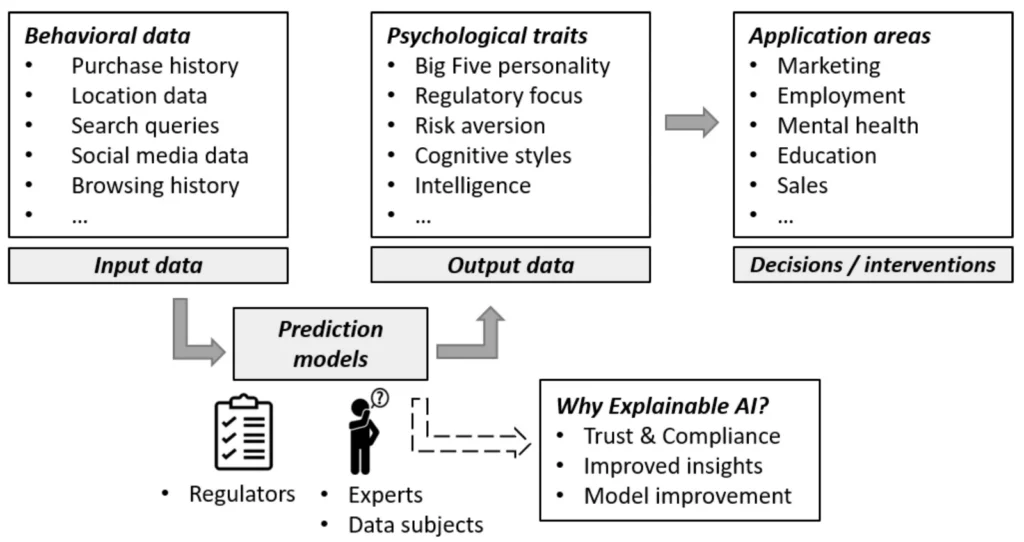 AI & MarketingPredictive AI in Marketing: Goldmine or Ethical Minefield?Predictive AI is revolutionizing marketing personalization. Discover how to maximize ROI in dynamic creative and micro-segmentation while navigating ethical boundaries and regulations.Čvc 29, 2026
Where is your marketing burning money?
AI audit and implementation for business owners. From diagnosis to deployment.
Get an audit