EU AI Act: New Transparency Guidelines Redefine Rules for Generative AI

Photo: Ekō (formerly SumOfUs) · CC BY 2.0 · source
The European Parliament approved the Artificial Intelligence Act (EU AI Act) back in March 2024, but its full implementation is only now taking shape. On July 20, 2026, the European Commission published detailed guidelines designed to help companies and organizations comply with the transparency obligations stemming from Article 50 of the AI Act. These obligations come into effect on August 2, 2026, marking a significant change for anyone working with generative or interactive artificial intelligence.
The guidelines arrive as the global market for AI models and platforms is projected to grow by 63% to $64 billion in 2026, according to Gartner, with an increasing emphasis on usage efficiency and cost control. With this growth comes an even greater need for clear rules to ensure the trustworthiness and safety of AI systems.
What are the Transparency Obligations under the AI Act?
Article 50 of the AI Act focuses on transparency, aiming to ensure that users are aware when they are interacting with an AI system or when content has been generated or manipulated by artificial intelligence. Specifically, these obligations include:
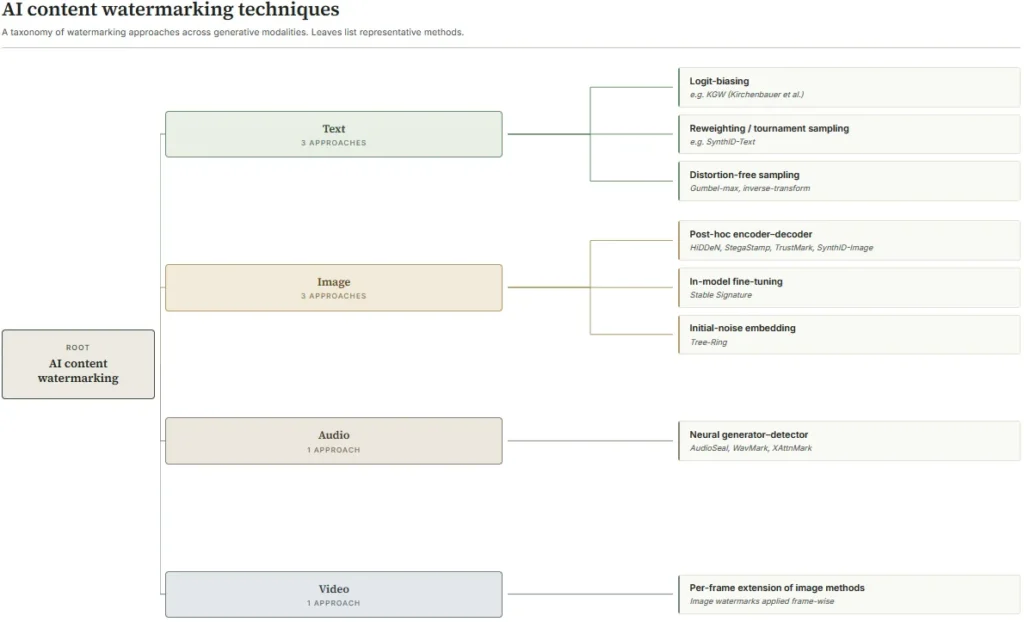
- Labeling AI-generated content: Providers of generative AI systems must ensure that all outputs, such as text, images, audio, or video, are clearly identified as AI-generated. This includes machine-readable marks (watermarks, metadata) and human-readable indicators.
- Informing users about AI interaction: If an AI system directly interacts with humans (e.g., chatbots or virtual assistants), users must be clearly informed that they are communicating with artificial intelligence, not a human.
- Disclosure of training data information: For general-purpose AI (GPAI) models, there is an obligation to publish sufficiently detailed summaries of the data used for training.
The objective is to prevent deception, manipulation, and the spread of misinformation, which could severely harm individuals and society.
Who do the New Guidelines Affect?
The guidelines apply to both providers and deployers of certain AI systems. This means that if your company develops and offers generative AI tools, or implements them into your processes (e.g., for creating marketing materials, customer support, or interactive web elements), you must comply with these rules.
Key terms defined in the guidelines include:
- Interactive AI systems: Systems that communicate with humans, such as chatbots, virtual assistants, or AI in customer support.
- Synthetic content: Content that has been generated or significantly altered by AI, including deepfakes.
There are also exceptions, such as standard content edits that do not change the substance of the content, which are not subject to mandatory labeling.
How to Demonstrate Compliance with the AI Act?
Companies can demonstrate compliance with transparency obligations in several ways. One is by adhering to the Code of Practice on Transparency of AI-generated content. If a company chooses not to follow this code, it must demonstrate compliance with the labeling obligations for AI-generated content through other equally adequate means. For other transparency obligations (e.g., interaction with AI systems), providers and deployers can determine adequate measures themselves, taking into account the published guidelines.
Practical Implications for Businesses
For businesses looking to operate in compliance with European legislation while effectively leveraging AI's potential, several key steps are necessary:
- Internal Audits and Processes: It is essential to audit existing AI systems and processes that generate content or interact with users. Clear internal guidelines for labeling AI-generated content and informing users must be established.
- Technological Implementation: Companies must ensure their systems are technically capable of adding machine-readable marks (e.g., digital watermarks or metadata) to AI-generated content. This may require software updates or the integration of new tools.
- Employee Training: All relevant employees, from marketing specialists to developers, must be familiar with the new rules and know how to apply them in practice.
- Opportunity for Trust Building: Transparency is not just an obligation but also an opportunity. Companies that proactively and clearly communicate about their use of AI can strengthen customer trust and differentiate themselves from competitors.
While 80% of enterprise applications today embed AI agents, only 31% of them are actually in production. This 'production gap' often stems from a lack of robust processes and governance, which are now even more critical with the AI Act. AI agent development platforms, such as one-AI-agent, focus on addressing these issues by providing tools for managing the AI agent lifecycle, including testing, deployment, and governance, helping to bridge the gap between development and safe production operation.
The Future of AI Regulation
Transparency obligations are just one phase of the AI Act's implementation. Other parts, such as stricter requirements for high-risk systems, will follow in December 2027 and August 2028. Nevertheless, enforcement powers for general-purpose AI and the full penalty regime apply from August 2, 2026. This underscores the urgency for companies to prepare for these changes now.
Conclusion
The European Commission's new guidelines on AI Act transparency represent a significant step towards the responsible use of artificial intelligence. For businesses across Europe, this is a clear signal: transparency in AI is not optional, but mandatory. A proactive approach to implementing these rules will not only ensure legislative compliance but also strengthen customer trust and help build a sustainable future for AI.

FAQ
When do the new EU AI Act transparency guidelines come into effect?
The European Commission's new guidelines regarding transparency obligations under Article 50 of the EU AI Act come into effect on August 2, 2026.
What is the main goal of these guidelines?
The primary goal of the guidelines is to ensure that users are informed when interacting with AI systems and that AI-generated content is clearly labeled. This aims to prevent deception, manipulation, and the spread of misinformation.
Who do the transparency obligations apply to?
The obligations apply to both providers (developers) and deployers (users) of generative and interactive artificial intelligence systems.
How can companies demonstrate compliance with the AI Act?
Companies can demonstrate compliance by adhering to the Code of Practice on Transparency of AI-generated content, or by using other equally adequate means for content labeling.
Sources & references (6)
- https://digital-strategy.ec.europa.eu/en/news/commission-publishes-guidelines-transparency-obligations-providers-and-deployers-certain-ai-systems
- https://digital-strategy.ec.europa.eu/en/policies/guidelines-transparency-ai-generated-content
- https://cloudcaptains.com/eu-ai-act-compliance-guide-for-global-businesses/
- https://techpolicy.press/europe-wants-platforms-to-prove-they-are-safe-for-children/
- https://www.gartner.com/en/newsroom/press-releases/2026-07-20-gartner-forecasts-worldwide-ai-platforms-and-models-market-to-grow-63-percent-in-2026
- https://www.screendragon.com/resources/blog/ai-progress-stalling-at-scale-new-research-from-screendragon
You might also like
 AI & MarketingEU AI Act: What Truly Applies from August 2, 2026?Discover which EU AI Act obligations, including transparency and enforcement, come into force on August 2, 2026, and how to avoid significant fines.Srp 2, 2026
 AI & MarketingThe End of Single-Task Tools: Multi-Agent AI Systems Are Reshaping MarketingMulti-agent AI systems are revolutionizing marketing automation. Discover how they work, the savings they offer, and how to maintain human oversight in the era of autonomous agents.Srp 1, 2026
 AI & MarketingInvisible AI: How to Maintain Brand Trust in the Era of Undetectable ContentAI content is everywhere and increasingly hard to detect. Learn how to maintain brand trust, comply with the EU AI Act, and avoid 'AI slop' in marketing 2026.Srp 1, 2026
Where is your marketing burning money?
AI audit and implementation for business owners. From diagnosis to deployment.
Get an audit