Invisible AI: How to Maintain Brand Trust in the Era of Undetectable Content

Photo: Global Donald · CC0 · source
Seventy-seven percent of consumers believe that AI-generated marketing reduces brand authenticity. This is a powerful statistic that should resonate within every marketing department. In an era where AI generates 40-60% of newly indexed web content, the question of trust becomes absolutely critical for brands. It's no longer just about whether we can create AI content, but primarily about whether we can maintain a connection with the people who trust us.
The Invisible Threat: Why AI Content is Increasingly Hard to Distinguish
Generative AI models are evolving at an incredible pace. What sounded robotic just a year ago is now often indistinguishable from human creation. Tools like Undetectable AI and Humanize AI Pro are emerging, promising to "humanize" AI text with up to 99.8% success in bypassing detectors. While these tools show high success rates in tests, their reliability is variable and inconsistent in the long term, especially for critical applications.
Some detectors, such as GPTZero or Originality.ai, achieve high accuracy (95.7% and 97% in independent tests, respectively), but even they face false positives and challenges in detecting content that has been edited by humans. As a result, marketing professionals find themselves in a paradoxical situation: they can generate vast volumes of content, but with growing uncertainty about whether they will retain audience trust.
Erosion of Trust: What Do Consumers Say?
Consumer skepticism towards AI content is growing. Consumer trust in AI search dropped from 82% to 54% in a single year. Crucially, 49% of U.S. consumers believe that generative AI has worsened the quality of available content, with this figure rising to 57% among younger generations (Gen Z and millennials).
What does this mean for brands? If we rely on AI without human oversight, we risk "AI slop" – generic, low-quality, and impersonal content that consumers immediately recognize. Research shows that 59% of consumers notice when communication tone sounds robotic, and 19% actively distrust messages that sound AI-generated.
I recall a client who attempted to significantly scale content using AI for a campaign. The initial volume results were promising, but we soon saw engagement drop and bounce rates increase. When we reviewed the data, we found comments under posts filled with complaints about how "soulless" and "generic" the content sounded. This mirrored what happened to Coca-Cola in 2023 when its attempt to remake an iconic Christmas commercial with generative AI faced public criticism for being "soulless". The human touch, originality, and authenticity are more in demand than ever in 2026.
The EU AI Act and New Rules for Content Transparency
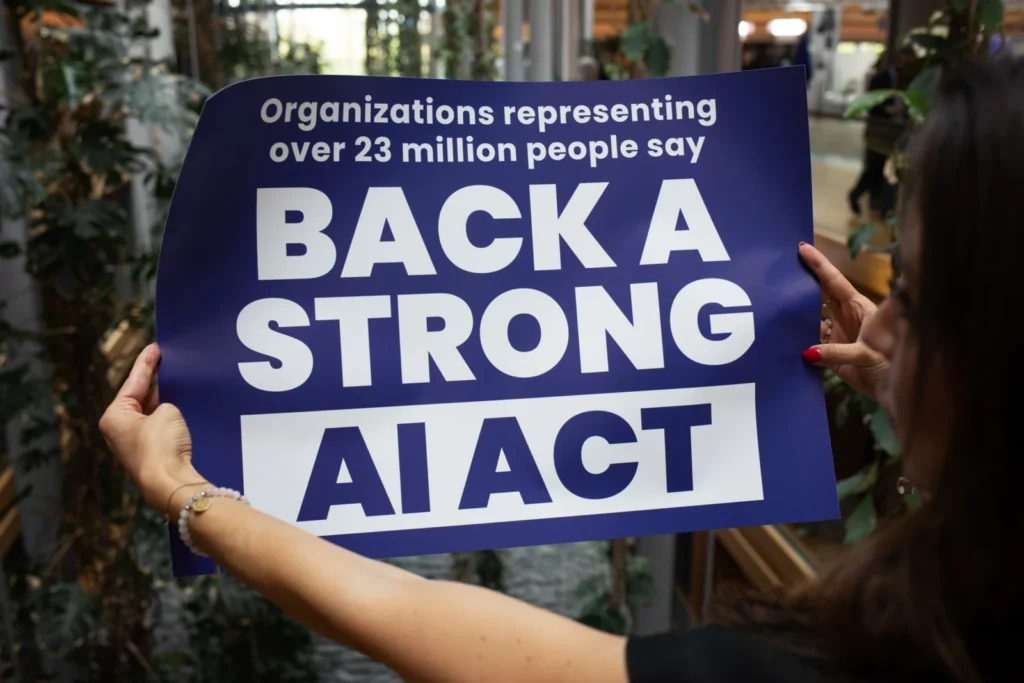
The August 2, 2026, deadline is a turning point for marketers. According to Article 50 of the EU AI Act, providers of generative AI must ensure their output is machine-readable and identifiable as artificially generated or manipulated. This includes text, images, audio, and video. For content creators publishing AI-assisted content, this means legal disclosure obligations, even for individual creators within the EU.
Technical solutions such as C2PA (Coalition for Content Provenance and Authenticity) standards and watermarking (e.g., Google SynthID) are becoming key tools for ensuring content origin and verifiability. These technologies allow cryptographically signed manifests to be embedded in files, surviving screenshots or compression, thus ensuring traceable content provenance. Ignoring these rules carries the risk of substantial fines and reputational damage.
Strategies for Building Trust in the AI Era: A Marketer's Checklist
So, how can brands not only survive but thrive in the era of increasingly sophisticated AI content? The key is a strategic approach that combines AI efficiency with the essential human element.
Content Strategy Checklist for 2026:
- Prioritize Human Oversight and Authenticity: AI should be an assistant, not an autonomous creator. Human creativity, experience, and empathy are irreplaceable for building genuine customer relationships.
- Ensure Transparency and Labeling of AI Content: Be open about AI usage. While it may temporarily reduce engagement, it builds trust long-term and mitigates legal risks.
- Invest in Fact-Checking and Ethical Audits: AI can produce inaccurate or outdated information. Every piece of AI-generated content should undergo human fact-checking and ethical review to prevent bias or misinformation.
- Optimize for Generative Engine Optimization (GEO): With AI's growing influence in search, it's crucial to structure content to be easily extractable and citable by AI models. Use "answer blocks" (40-60 words) at the beginning of sections and schema markup.
- Develop a Unique Brand Voice that AI Cannot Replicate: In a sea of generic AI content, brands with distinctive style, depth, and original perspectives will stand out. Invest in thought leadership, expert collaboration, and original research.
When a General Guide Isn't Enough: The Role of an Experienced Partner
Integrating AI into marketing processes is not just a technical challenge, but primarily a strategic decision. Navigating the complex web of regulations, maintaining brand authenticity, and effectively leveraging AI for growth requires deep expertise. In situations where it's necessary to set up internal AI governance, implement watermarking solutions, or develop an advanced GEO strategy, general advice is no longer sufficient. This is where bringing in an experienced partner pays off. With our one-AI-agent project, we help companies build AI strategies that are ethical, effective, and build long-term customer trust.
Conclusion: Trust as the New Currency
The era of invisible AI is fundamentally changing the rules of the game in marketing. Content may be cheaper and easier to produce, but trust is becoming a scarce commodity. The brands that succeed in 2026 will not be those that use AI the most, but those that use it best – with judgment, transparency, and an unwavering commitment to human authenticity. It's time to re-evaluate priorities and invest in strategies that reinforce trust, not just volume.
FAQ
Q: What is the main impact of the EU AI Act on marketing content? A: As of August 2, 2026, the EU AI Act requires AI-generated content to be machine-readable and identifiable as artificially created. This means mandatory labeling and the use of technologies like watermarking for transparency.
Q: What is 'AI slop' and how can it be avoided? A: 'AI slop' is a term for generic, low-quality, and impersonal AI-generated content that lacks originality and depth. It can be avoided through thorough human oversight, fact-checking, maintaining a strong brand voice, and focusing on authenticity.
Q: Why do consumers distrust AI content even if they can't detect it? A: Even if many consumers cannot reliably identify AI content, overall trust in AI is declining. They perceive genericness and a lack of human touch, leading to a sense of inauthenticity and reduced brand loyalty.
Q: What is the difference between SEO and GEO? A: Traditional SEO focuses on optimizing for search engines. GEO (Generative Engine Optimization) focuses on optimizing content so it can be easily extracted and cited by AI models and AI overviews within search engines.
Sources & references (12)
- https://vertexaisearch.cloud.google.com/grounding-api-redirect/AUZIYQH3-RpNjXqdLHQvzFs5z02g38hiL3yF1DcPDt7LKgTNevjsOG3-Rq4-S8kw26li1fRhpuMfgysPBKzTH2GGoXuMg-k_D0WamtcHqXXNJe2qUvz5t80PZYZaOIh7al8pkbWtdehlUElF1iLXjjFeBmKACGkXbM__Y2Lb5AifGS2mI6fLX1zQ
- https://vertexaisearch.cloud.google.com/grounding-api-redirect/AUZIYQHuWPCc4I46rwbesbRhfCWKPcTaRIAjMngtH8Q4rNBgKofHcYKHH5lESPw2IjwXaX0J7jPb4I7yGkN5FBgEupDCIZAjpREmhVfd569eDW0IJPS3qdSgzCCt6s0IdBvGal0xtbQJLgfNqjgtr7-G7zzUZXvTzg==
- https://vertexaisearch.cloud.google.com/grounding-api-redirect/AUZIYQE107bXtdcuSwvgknh50tNxJsQY2z7W4NTDZszGNARV6C1anR_1nhdABW9T_1poLFDiW0khY3N9vzpiJj7fDmwgjgHK81Adk1oFvK23oQ-XH-WRgaK3zwd-s5VGBPy-Sdn1M8I90YeaquazcOf-jDZs_cmzIG3W9At8z2ieGyHK1g4CnEsDIC8hR0PZDsht7Vv-w3XXns9WggJw
- https://vertexaisearch.cloud.google.com/grounding-api-redirect/AUZIYQGzvaMwAAszNODq2aB174aJNhCvRg9MmoJ_uO2geKrrvbzRGTvyc9knpL1ff_fYjcGeNfcjpCTcdPfMKP7ETf0a0QYa78s9qpKr24cHDrWWfvqBeSQxutiOLdsjlLfNzm9_pNbvA2A6PrfL9Nr67nnyRe1o1mKcymt_bPZkgozTAlzvX6rboMFPWYOH51d3-8_EPsfKZ4oIvyn_YgUUHY2QLXrVl4hs0fFd42MabC8oVpQ==
- https://vertexaisearch.cloud.google.com/grounding-api-redirect/AUZIYQGtgeLj-rrWORF58rfSkMeboapqEY8OuRd9sXrZcvohnEz9vcz_cFNCkuPTCLs88aX1R53T076y2soTivx1-bHsG1exvMHcDXB3E_mCCQNAk4mr2Cxe_RS_JElgp6s=
- https://vertexaisearch.cloud.google.com/grounding-api-redirect/AUZIYQG6CFonTs1Hg_4YrlOQBBU3DZyk0E68Xm0AsxhpYBbkd2DeWDQz053EZX0nfod5enbY2YHtcFce87SXxgOAT_H3yMAUeasswmLqkrlzGJMi9hfySdtKoOtz3aDyg7a8DBM3tBxY_cxpqmvMSkc02zQ=
- https://vertexaisearch.cloud.google.com/grounding-api-redirect/AUZIYQFOClu73ugBiuxGKL0zeUkJPciaB_RE2Ma2BDQdNkruEvwzioOsEVyK6FjYRDpfx3CuIw2e-anUEe2CW7SVTzYFJyesdXxJydhmO87Dnt1nNBxpGlbQ_p7pqfTcTPi7VNaWu_zUYyMDGk5OusIeyHxVn8GQug==
- https://vertexaisearch.cloud.google.com/grounding-api-redirect/AUZIYQETMnFpjd4ZxocA80AEyp6XP6W8v-AUryn97HvJqnpIN5H2BW3yYKuax5LEujOHr7awUo66dKADUyq7r4kj2YhWzxqNUBUtPQ5Jo1NjhS7ckv3PlBdtGOsO7_CIfe-olCoar-v3iv2YE2dxSYqOJdNOR6GDwM0x
- https://vertexaisearch.cloud.google.com/grounding-api-redirect/AUZIYQFOYecma1KHpQoPvVEzOi1evDbkzaUaF1e9WmzaYMYj8ZREoOJ8Yba3qCYdYcMCGKAEsm8DBhXy2X7pV_iNhMH8CZisQvqc1sTBYQOaHNmx0S3MstccchKvqYY3Q7w4D5NedJfpQkymcq0Wrm9dgZ0w_2NEOhtZuYV60jC8JNGmluu4bao_KBjnPM4i8r_eFjHTgIDpIuX5D9qwCYLYfMp3
- https://vertexaisearch.cloud.google.com/grounding-api-redirect/AUZIYQFOClu73ugBiuxGKL0zeUkJPciaB_RE2Ma2BDQdNkruEvwzioOsEVyK6FjYRDpfx3CuIw2e-anUEe2CW7SVTzYFJyesdXxJydhmO87Dnt1nNBxpGlbQ_p7pqfTcTPi7VNaWu_zUYyMDGk5OusIeyHxVn8GQug==
- https://vertexaisearch.cloud.google.com/grounding-api-redirect/AUZIYQFOtGKQCXbKPJ78rP3kvnONZwqUHoqlFA8chZNtQWMgn_CU6mxkN9m0Ph3QdRizgnxU-Bd7_Rl8C8YdwSpTwhxCt-Xd8CJB9w3NE0gkm8ssXc1gFlXosBRkgsDMKfCGR2bvSvsx_JjNfY7kvy3czkYK_VWr6Q_Pdbf48C5HJCQfGFRhoeeADO5BoIaLVXvIpldQQRxzarVvETJWHw==
- https://vertexaisearch.cloud.google.com/grounding-api-redirect/AUZIYQGEbW2QSHhTYtH4sADsTo5zQREtA2ghHU0iXFetJTEiVvgaPTw8obmcE0CaqXVhCgeEdVwbO0eEa2bxgTh0g-iBzb_kvgveqlIatZ75c1rLlVd72F2ptBwc1oZbz1feba06b4WITb79WzFxydnNQMAF8jTJtfZ8_lOkITlI5SpNlWdzT22EfGfuZwk=
You might also like
 AI & MarketingEU AI Act: What Truly Applies from August 2, 2026?Discover which EU AI Act obligations, including transparency and enforcement, come into force on August 2, 2026, and how to avoid significant fines.Srp 2, 2026
 AI & MarketingThe End of Single-Task Tools: Multi-Agent AI Systems Are Reshaping MarketingMulti-agent AI systems are revolutionizing marketing automation. Discover how they work, the savings they offer, and how to maintain human oversight in the era of autonomous agents.Srp 1, 2026
 AI & MarketingAI and the Human Factor in Marketing: Who's in Charge and What Skills We Need in 2026In 2026, AI skills are the most sought-after globally. Discover how marketer roles are changing, what key skills you need, and how to stay ahead in the AI era.Čvc 31, 2026
Where is your marketing burning money?
AI audit and implementation for business owners. From diagnosis to deployment.
Get an audit