EU Proposes Social Media & AI Chat Ban for Under-13s: What It Means

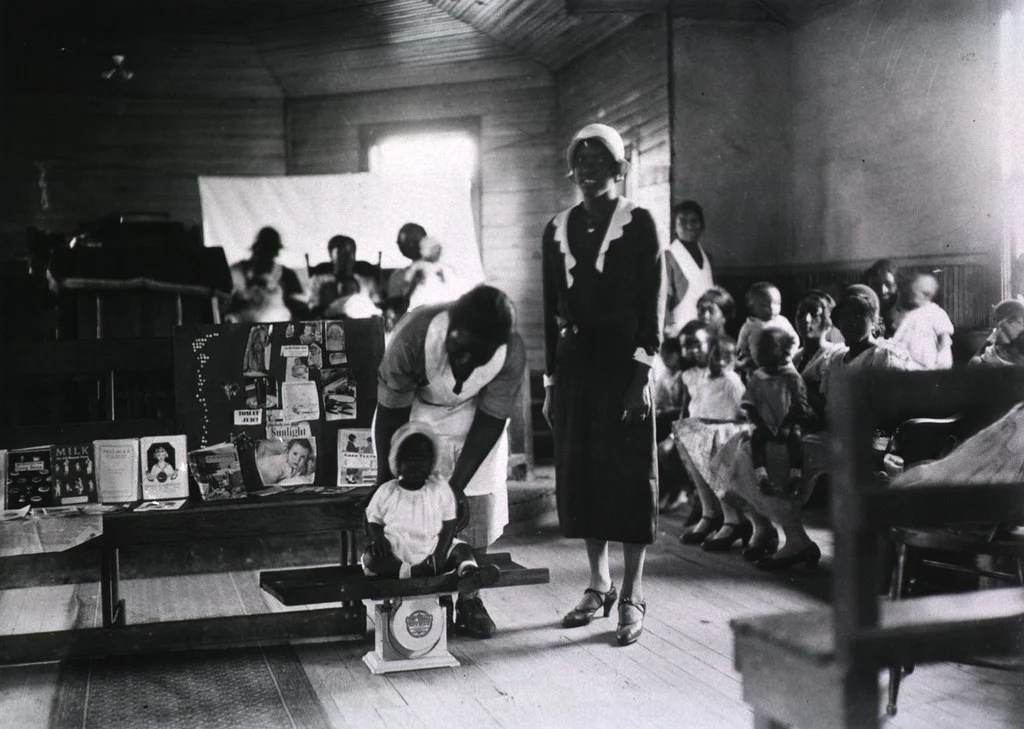
Photo: Alan Stanton · CC0 · source
The European Commission recently received a pivotal report from its special panel of experts on child online safety, which could fundamentally reshape the digital landscape for the youngest users across the European Union. The report, presented to President Ursula von der Leyen in July 2026, proposes a blanket ban on access to social media and so-called 'social media plus' services for children under the age of 13. This recommendation, backed by alarming data on the impact of the online environment on children's mental health, signals a strong shift towards stricter regulation and greater protection.
In brief
The European Commission's special panel on child online safety recommended in July 2026 a ban on social media and online games with social features for children under 13 across the EU. The report highlights the negative impacts of excessive online screen time on children's mental health and suggests that tech companies should demonstrate the safety of their services for children. The goal is to protect children from predators, cyberbullying, and addictive designs, and to enhance digital literacy.
What the Panel Found: Alarming Data on Online Impact
The expert panel, comprising specialists in health, neuroscience, psychology, computer science, and child rights, investigated the risks and opportunities of the online environment for children from March to June 2026. Their findings are concerning: nearly 60% of children and adolescents in Europe have experienced emotional or psychosocial problems related to online activities. Young people spend 4–6 hours a day on screens, accumulating to approximately 20 years over a lifetime. These figures underscore the urgent need to address the impact of digital technologies on children's mental and physical health.
Key issues include cyberbullying, contact with online predators, exposure to inappropriate content, and the influence of addictive design elements on platforms, such as infinite scrolling and content recommendation algorithms that lead to 'rabbit holes.'
Panel's Recommendation: Ban for the Youngest and 'Social Media Plus'
At the core of the recommendations is a ban on registration for children under 13 on 'social media plus' platforms across the EU. This term not only includes traditional social networks like Instagram or TikTok but also online video games with chat functionalities and consumer AI chatbots, including ChatGPT and Gemini. The panel proposes that the burden of proof should lie with technology companies, which should demonstrate that their services are safe by design for children before launching them.
Prof. Dr. Jörg M. Fegert and Dr. Maria Melchior, co-chairs of the panel, emphasized that growing evidence suggests that the use of these services by children below a certain age increases the risk of a range of mental and physical health problems.
Why 'Social Media Plus' is Crucial
The expansion of the 'social media plus' concept is critical because children's online interactions are no longer limited to classic social networks. Many gaming platforms and, more recently, AI chatbots allow communication, content sharing, and community building, which carry the same risks as traditional social media. While AI chatbots offer educational and entertainment potential, they can be exploited for spreading inappropriate content, cyberbullying, or manipulating children if not adequately secured. The panel, therefore, rightly extends protection to all digital services that enable social interaction and can affect a child's development.
Regulatory Pressure Mounts: Is Europe Leading the Way?
This recommendation comes at a time when pressure for online regulation for children is intensifying worldwide. Australia already implemented a blanket ban on social media for children under 16 in December 2025, although studies from July 2026 suggest its effectiveness is still limited. France recently approved a law banning social media for children under 15, with President Macron expressing a desire for the law to take effect this September. Austria announced a draft bill in March 2026 to ban social media for children under 14.
In the United States, the debate revolves around various state laws and federal proposals, such as the Kids Online Safety Act (KOSA). These laws often differ in their approach to age verification, parental controls, and platform responsibility, creating a complex and fragmented regulatory environment. The European approach, aiming for unified legislation across the entire bloc, could set a strong precedent and facilitate adaptation for tech companies while providing more comprehensive protection. President von der Leyen clearly stated that “social media is not a toy… Now we need action at European level.”
What This Means for Parents, Schools, and Tech Companies
For parents, the report is a clear signal that active supervision of children's online activities is essential. While legislation can help, full protection requires a combination of technological solutions and open communication. It is important to discuss risks with children, set clear rules, and use available parental controls. In this area, we are long-term committed through the onesafety project, where we offer practical tips and educational materials for both parents and schools.
Schools play a crucial role in digital literacy. They need to integrate education on safe and responsible technology use into the curriculum. New regulations could support the creation of standardized educational programs and tools to help children navigate the digital world and recognize risks.
For technology companies, this means re-evaluating the design of their products. Instead of reactively addressing problems, they will need to proactively implement 'safety by design' and 'privacy by design.' This includes robust age verification systems, default settings with high privacy protection for minors, and the removal of addictive elements from platforms intended for or accessible by children. Companies will need to invest in developing ethical AI chatbots with built-in safety protocols to prevent inappropriate interactions with children.
The Future of Child Online Safety: A Unified European Approach Ahead?
The panel's recommendations are a significant step towards creating a unified and comprehensive framework for child online safety in Europe. Although the implementation of such extensive legislation may face challenges, including technological and legal hurdles, strong political will and growing public awareness suggest that the European Union is committed to protecting its youngest citizens. I anticipate that in the coming months, we will see concrete legislative proposals that will build upon these recommendations.
FAQ
Q: What is 'social media plus'? A: 'Social media plus' is a broader term for digital services that, in addition to traditional social media, include online video games with chat functions and consumer AI chatbots that allow social interaction and can affect children's mental development.
Q: Does the report recommend a complete ban on social media for children? A: The report recommends banning access to social media and 'social media plus' services for children under 13. It does not mean a complete ban on the internet or digital technologies, but rather the regulation of access to platforms with the greatest social and interactive risks.
Q: When could this ban come into effect? A: The panel's recommendations were submitted to the European Commission in July 2026. The Commission will now consider these proposals and put forward legislative initiatives. The approval and implementation process at the EU level can take months to years, but President von der Leyen has indicated that the Commission will push for swift action.
Q: What are the main arguments for and against this ban? A: For: Protecting children from cyberbullying, predators, inappropriate content, addictive designs, and negative impacts on mental health. Against: Concerns about restricting freedom of speech, compromising digital privacy during age verification, and potential ineffectiveness of the ban as children may find ways to circumvent it.

Sources & references (6)
- https://vertexaisearch.cloud.google.com/grounding-api-redirect/AUZIYQHQwx8Fx7SxFupB0ZHyDqBqLtItq4uwVaQwGW1xQSwNGI5eLO_GptegYEgyjM4FkXk6sWquJo21qtLW6vqa0G8bCR8ZKV65wy2En7jhjo7KkQkDrDzp5h7RtwnYiYLn2mWT4S24WSlwFr2MYgMWIjgimUxShejH1P-fhRAslbgHBGCjzBX8Gj9Ya9uZlZBdedUx3CyN2sYNm6TneYa8j_AuIprNbYrNilAu_NW30odjbP42okN1YD0XVnCWxyz6heIeWuklIvRgw==
- https://vertexaisearch.cloud.google.com/grounding-api-redirect/AUZIYQH_IaxTRUTjLFI2QX-FuENTu_vo4tEfCAGGzHnO_oHv_1WbcxOvnRA17RvKhUilhfg4AdQfOoRXr_tgRohI2mI0Y6utkQWzBwtwvsowhrObtYtqrkr7qm233t_K6Rgt7K_D7dMK33TQrQ5_JqJYuiQwD_PoDD_aZi4p_5_EMk_HgHGB6s7NSbZF811133XklIw2JwftnfWHZgSjxHdnqlLrzjUTaYYv
- https://vertexaisearch.cloud.google.com/grounding-api-redirect/AUZIYQGFavLGLy2GYEFpqqQftb-GBxNmy30SMy_H3ROgNDm1Ci3ITSBvik3f8LlsG-ybdv4Je13esfPvoizwMcq-MLwUpURXPA1LtL3Vt9t-L3yndw7Z6acbXUJ5X0NkkLjbYk9psd6yY1mzF48Q
- https://vertexaisearch.cloud.google.com/grounding-api-redirect/AUZIYQFS5oqiVgYWwl9XwmjmWWzhiIs2BV9hqJNd8sh_0ms-ELJfi9u9ZZDCnFm_SacXNZVKz94Gv7JHtYWq3rczrCG7M7R0aQU7MJ_wpK4aWZCDmudCchHRfXlUs-1r4tnhjfJIkc2iy3OWZZJjv-JZigRguQVmKklsOneywKB0RNxf6Rjpbg==
- https://vertexaisearch.cloud.google.com/grounding-api-redirect/AUZIYQHl79AbT9qnO8uSg-hUPagf0nmWX4S9HYaM8JXmmoJd1Kv0x72IcYDl6Nbsx9hu3Ub47zJvubAFP4P45tdqZ-owCdcGnYYx1yXGFnMVqKJhNX4CvECmLC5sp8BBi8mg5QYqDrOevZfVaptclCHaysu02SU2zZ7daEbzSkH8iZRJi-W_W8k4WDLS7emAT5r9Utnm8NJ1eIi34L3sW8t212S8ZWpbw51rscQcRrjI
- https://vertexaisearch.cloud.google.com/grounding-api-redirect/AUZIYQHYlGuv2JAyKeeqaWEK5eqzFhaCSKhRrBGpkj2xZDN1cOwkURFqWbCQBRKIN1bTRl4mbinBd7_kSufjY5GEdnBPTTzDY54txXaxtyNxbQiXpbQaqKX3f7wKx1oUhjpP14EoVeqBX326yNyCV3YVqE7W-hY_iuSxDTfR1jDfX6SvgFDLIfaax-Vv6z8nGvpzxmC8AFaZu2xrku3x1IGnb0vVDe7pyVQY
You might also like
 Child Online SafetyEnd of Hourly Limits: How the View on Children's Digital Health is ChangingThe American Academy of Pediatrics changed its screen time recommendations for children. It's no longer just about hours, but about quality, context, and psychological impact. What does this mean for parents and schools in 2026?Čvc 31, 2026
 Child Online SafetyGenerative AI and Children: A New Era of Digital ProtectionGenerative AI is transforming children's online world. Understand the risks (deepfakes, mental health) and learn concrete steps for child online protection. A practical guide for parents and schools.Čvc 29, 2026
 Child Online SafetyCultivating Digital Resilience: How Schools Teach Children Critical Thinking Amidst Deepfakes and DisinformationDiscover how the role of schools is evolving to prepare children for an online world filled with deepfakes and disinformation. Critical thinking and digital resilience are key.Čvc 28, 2026
Where is your marketing burning money?
AI audit and implementation for business owners. From diagnosis to deployment.
Get an audit